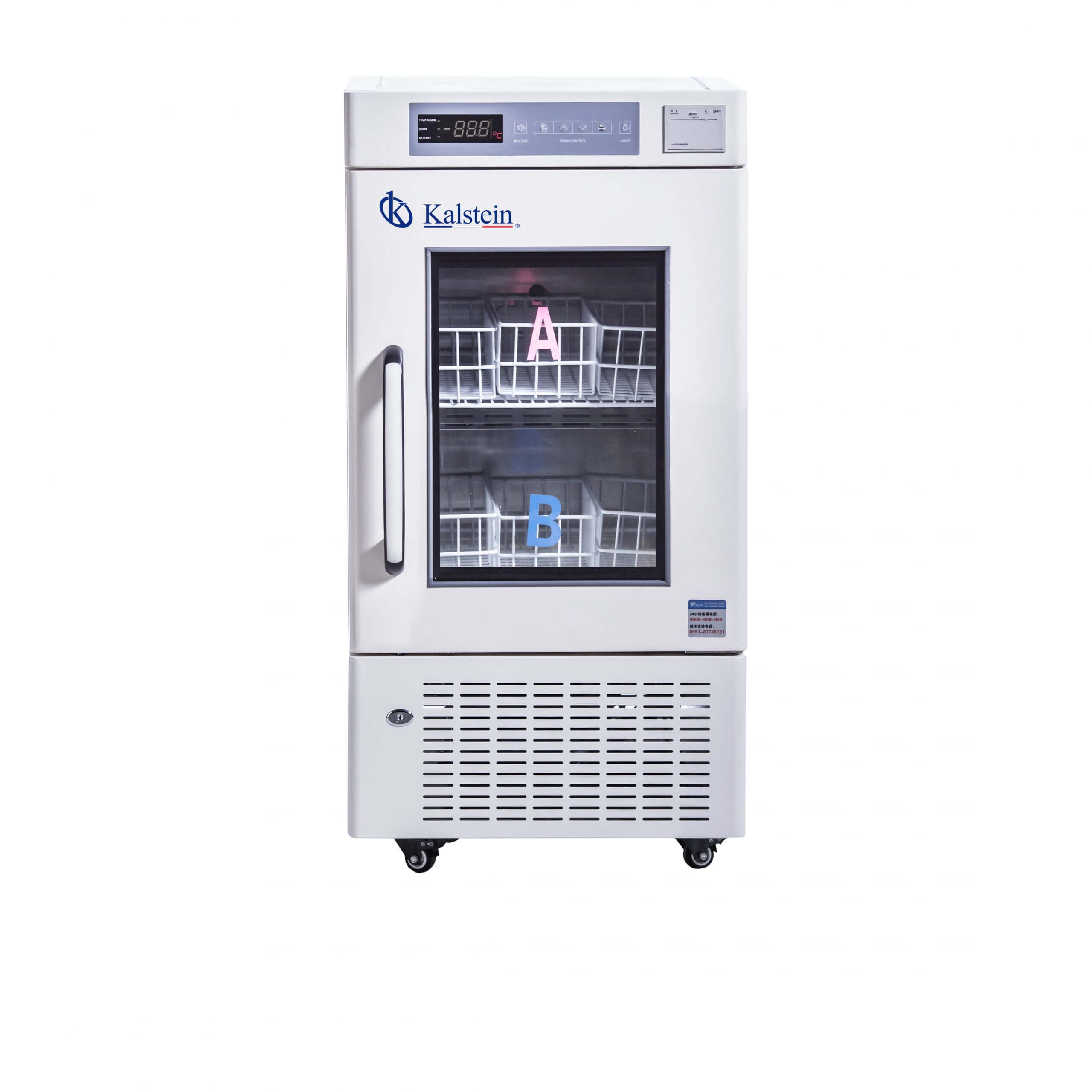
Energy Sustainability and Environmental Footprint Reduction in Blood Bank Refrigerators
As the focus on energy sustainability and environmental responsibility intensifies across various sectors, the laboratory and healthcare environments are no exception. Blood bank refrigerators are critical in ensuring the safe storage of blood products, and they must meet specific energy efficiency standards to minimize their environmental impact. In this article, we will explore the features that enhance sustainability in blood bank refrigerators, evaluate several models in terms of their energy consumption, and discuss best practices for reducing the environmental footprint of these essential devices.
Understanding Energy Sustainability in Blood Bank Refrigerators
Energy sustainability refers to the responsible management of energy resources to ensure that current needs are met without compromising the ability of future generations to meet their own needs. In the context of blood bank refrigerators, this includes minimizing energy consumption, optimizing cooling efficiency, and employing eco-friendly refrigerants. These factors not only contribute to cost savings but also enhance the overall environmental responsibility of medical facilities.
Key Features That Enhance Sustainability
Modern blood bank refrigerators integrate several advanced features that help reduce energy consumption and environmental impact. Key features include:
- Microprocessor-Controlled Cooling: This technology allows for precise temperature control, ensuring that blood products are stored safely while minimizing energy use.
- Automatic Defrosting: Models equipped with automatic defrosting capabilities reduce the need for manual intervention, thereby saving energy and improving operational efficiency.
- Eco-Friendly Refrigerants: The use of refrigerants such as R134a and R290 minimizes ozone depletion potential and enhances the overall environmental profile of these units.
Comparative Analysis of Blood Bank Refrigerator Models
When selecting a blood bank refrigerator, comparing energy efficiency and features across different models is crucial. The following table provides a comparison of various models focusing on key specifications like energy consumption, noise levels, and overall suitability for blood storage.
| Model | Temperature Range (°C) | Energy Consumption (kWh/24h) | Noise Level (dB) | Best For |
|---|---|---|---|---|
| YR05091 | 2-6 | 1.95 | 49.6 | Small blood banks |
| YR05092 | 2-6 | 2.22 | 51.2 | Medium hospitals |
| YR05094 | 2-6 | 6.31 | 51.2 | Large blood banks |
| YR05098 | -10 to -25 | 3.4 | 55 | Long-term cryogenic storage |
| YR05292 | 4±1 | 2.5 | 50 | High-capacity storage |
Common Mistakes and How to Avoid Them
Laboratory professionals often encounter pitfalls when selecting or maintaining blood bank refrigerators. Some common mistakes include:
- Underestimating Space Requirements: Ensure adequate space for air circulation to optimize cooling efficiency.
- Ignoring Temperature Calibration: Regular calibration is essential for maintaining the integrity of stored blood products.
- Overloading Units: Adhering to the manufacturer's recommendations for storage capacity will prevent excessive energy use and ensure optimal performance.
Maximizing Energy Efficiency
In addition to selecting energy-efficient models, there are several practices that can help maximize energy efficiency in blood bank operations:
- Regular Maintenance: Keeping filters clean and ensuring that the unit is well-maintained can significantly enhance energy performance.
- Temperature Monitoring Systems: Implementing monitoring systems can alert staff to temperature fluctuations, preventing energy waste.
- Staff Training: Educating staff on best practices for opening and closing refrigerators can reduce energy loss from frequent access.
Lifecycle Assessment of Blood Bank Refrigerators
A lifecycle assessment (LCA) evaluates the environmental impacts associated with all the stages of a product's life from cradle to grave. This includes material extraction, manufacturing, transportation, usage, and disposal. For blood bank refrigerators, the choice of materials, energy sources during operation, and end-of-life recyclability all play significant roles in their environmental footprint.
Frequently Asked Questions
How does the energy consumption of blood bank refrigerators affect operational costs?
The energy consumption of blood bank refrigerators directly impacts the operational costs of medical facilities. For example, the YR05091 model consumes 1.95 kWh/24h, which could lead to noticeable savings compared to models with higher consumption rates. Understanding these costs aids better budgeting and energy management.
What is the environmental impact of refrigerants used in blood bank refrigerators?
Refrigerants such as R134a and R290 have low ozone depletion potential, making them more environmentally friendly options for blood bank refrigerators. Selecting models that utilize eco-friendly refrigerants, like the YR05092, can significantly reduce a facility's overall environmental footprint.
Which blood bank refrigerator model is best for reducing energy footprint?
The YR05091 model is an excellent choice for minimizing energy usage due to its low consumption rate of 1.95 kWh/24h. It balances efficiency with effective blood storage, making it ideal for facilities aiming to reduce their energy footprint.
What are the best practices for maintaining energy efficiency in blood bank refrigerators?
Regular maintenance, including cleaning filters and calibrating temperatures, is crucial for maintaining energy efficiency. Staff training on proper use, as well as monitoring systems, can further enhance energy-saving efforts in models like the YR05094.
How often should blood bank refrigerators be maintained to ensure optimal performance?
Blood bank refrigerators should undergo maintenance at least once every six months to ensure optimal performance. This includes checking seals, calibrating temperature settings, and ensuring efficient operations in models like the YR05292-1.
What role does temperature calibration play in blood bank refrigerator efficiency?
Regular temperature calibration is vital for maintaining the safety and effectiveness of stored blood products. Accurate calibration helps prevent energy waste and keeps products within safe temperature ranges, as seen in models such as YR05098, which adjusts between -10 to -25 °C.
Conclusion
In summary, the selection and maintenance of blood bank refrigerators play a significant role in energy sustainability and reducing environmental footprints. By choosing models with advanced features and adhering to best practices for operation and maintenance, healthcare facilities can significantly mitigate their environmental impact while maintaining the quality of essential blood products.
If you are looking for a fusion of innovation and quality, you have come to the right place. At Kalstein, we offer you the luxury of exploring our exclusive catalog of laboratory equipment. We manufacture every device to the highest standards of excellence. Our intuitive and seamless online purchasing channels are designed for your convenience, securing the most competitive prices. Hesitate no longer — we bring science to life, it is time to become part of our community.