Energy Sustainability in Chemical Analyzers: Reducing Environmental Footprint
In today's rapidly evolving world, laboratories face increasing pressure to adopt practices that foster energy sustainability and minimize environmental footprints. Chemical analyzers, as vital components in modern laboratory workflows, play a crucial role in achieving these goals. This article explores how various models of chemical analyzers contribute to energy sustainability and outlines practical measures professionals can adopt to optimize their environmental impact.
Understanding the Importance of Energy Sustainability in Laboratories
Energy sustainability in laboratories is essential for reducing operating costs and minimizing environmental impact. By implementing energy-efficient practices and utilizing advanced equipment, laboratories can significantly lower their carbon footprints. Chemical analyzers, often energy-intensive, present a critical opportunity for labs to enhance sustainability efforts. This section will delve into the various aspects of energy consumption related to chemical analyzers and their contributions to sustainable practices.
Key Features of Energy-Efficient Chemical Analyzers
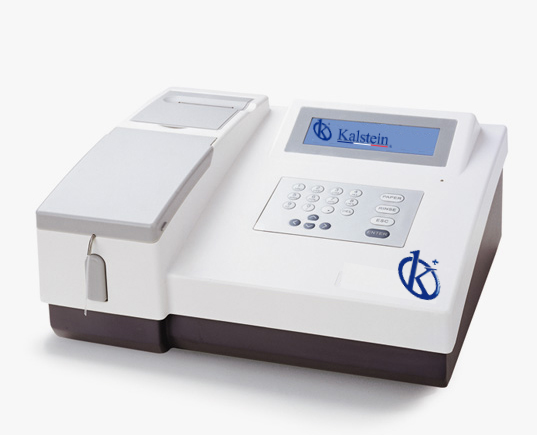
Modern chemical analyzers are designed with several energy-efficient features that contribute to sustainability. For instance, models like the YR05115 Semi-automatic Chemistry Analyzer offer a light source hibernation function that extends lamp life, thereby conserving energy. Additionally, analyzers with advanced temperature control systems, such as the YR06092 Portable Chemical Analyzer, reduce energy consumption associated with heating processes. Understanding these features allows laboratory professionals to select the right models for their sustainability goals.
Comparative Analysis of Carbon Footprint Among Chemical Analyzers
| Model | Energy Consumption (kWh/run) | Reagent Use Efficiency | Best For |
|---|---|---|---|
| YR05115 | 0.5 | High | Routine analysis |
| YR05114 | 0.6 | Medium | General labs |
| YR06092 | 0.3 | Very High | Field testing |
| YR06075 | 1.0 | Low | High-throughput labs |
| YR05116 | 0.4 | High | Flexibility in analysis |
| YR06078 | 0.5 | Medium | Versatile analysis |
Strategies for Reducing Environmental Impact in Chemical Analysis
Laboratories can adopt several strategies to minimize their environmental impact while using chemical analyzers. Implementing a waste reduction plan, such as recycling chemical waste, can significantly lower the environmental burden. Furthermore, optimizing reagent usage, as seen with the YR05114 Semi-automatic Chemistry Analyzer, which offers multiple testing functions, can lead to reduced waste and improved sustainability. Energy-efficient operation and maintenance practices should also be a priority.
Life Cycle Assessment of Chemical Analyzers
Conducting a life cycle assessment (LCA) for chemical analyzers provides insights into their environmental impacts throughout their lifecycle. This assessment includes energy consumption, resource use, and waste generation from manufacturing to disposal. For instance, analyzers like the YR06075 Automatic Chemistry Analyzer are designed with energy-efficient components, making them ideal for sustainable laboratory practices. By evaluating the LCA of each model, laboratories can make informed decisions that align with their sustainability commitments.
Comparison of Available Models
| Model | Energy Consumption (kWh/run) | Reagent Efficiency | Best For |
|---|---|---|---|
| YR05115 | 0.5 | High | Routine analysis |
| YR05114 | 0.6 | Medium | General labs |
| YR06092 | 0.3 | Very High | Field testing |
| YR06075 | 1.0 | Low | High-throughput labs |
| YR05116 | 0.4 | High | Flexibility in analysis |
| YR06078 | 0.5 | Medium | Versatile analysis |
Common Mistakes and How to Avoid Them
Laboratories often make mistakes that hinder their sustainability efforts. One common error is underestimating the importance of regular maintenance, which can lead to increased energy consumption and inefficient operation. Ensuring that the YR06092 Portable Chemical Analyzer is regularly calibrated and maintained can prevent unnecessary energy waste. Additionally, failing to train staff on proper reagent use may lead to excessive waste, undermining sustainability initiatives.
Frequently Asked Questions
How do energy-efficient chemical analyzers impact laboratory sustainability?
Energy-efficient chemical analyzers, like the YR05115 Semi-automatic Chemistry Analyzer, significantly reduce energy consumption, promoting sustainability in laboratory operations. These models help lower operational costs while minimizing the lab's carbon footprint.
What features should I look for in a sustainable chemical analyzer?
When selecting a sustainable chemical analyzer, look for features such as low energy consumption, efficient reagent use, and components that support longevity, such as the light source hibernation in the YR05115. These elements contribute to reducing environmental impact.
Which chemical analyzers are best for minimizing waste in laboratories?
Models like the YR06092 Portable Chemical Analyzer are designed to maximize reagent efficiency, thus minimizing waste in laboratory settings. This model's compact design also supports sustainable practices by reducing overall resource use.
How can I evaluate the energy consumption of chemical analyzers?
Energy consumption can be evaluated by looking at the kWh used per run for each model. For instance, the YR06075 Automatic Chemistry Analyzer consumes 1.0 kWh/run, making it less energy-efficient compared to others, such as the YR06092, which consumes only 0.3 kWh/run.
What role does life cycle assessment play in selecting chemical analyzers?
A life cycle assessment helps laboratories understand the total environmental impact of a chemical analyzer, from manufacturing to disposal. This holistic view enables the selection of models like the YR05116, which are designed for sustainability throughout their lifecycle.
How can automation in chemical analysis improve sustainability?
Automation, as seen in the YR06075, improves throughput and reduces human error, leading to more efficient use of resources and lower energy consumption. This translates to better sustainability outcomes in lab operations.
What are the benefits of using portable chemical analyzers in sustainable practices?
Portable chemical analyzers, like the YR06092, offer flexibility and require less energy than traditional models, making them ideal for sustainable lab practices. Their smaller footprint also conserves resources and energy in laboratory settings.
How do I implement energy-saving practices in my lab?
To implement energy-saving practices, start by regular maintenance of equipment like the YR06078, training staff on reagent efficiency, and utilizing energy-efficient models. This holistic approach can significantly reduce your laboratory's environmental impact.
If you are looking for a fusion of innovation and quality, you have come to the right place. At Kalstein, we offer you the luxury of exploring our exclusive catalog of laboratory equipment. We manufacture every device to the highest standards of excellence. Our intuitive and seamless online purchasing channels are designed for your convenience, securing the most competitive prices. Hesitate no longer — we bring science to life, it is time to become part of our community.