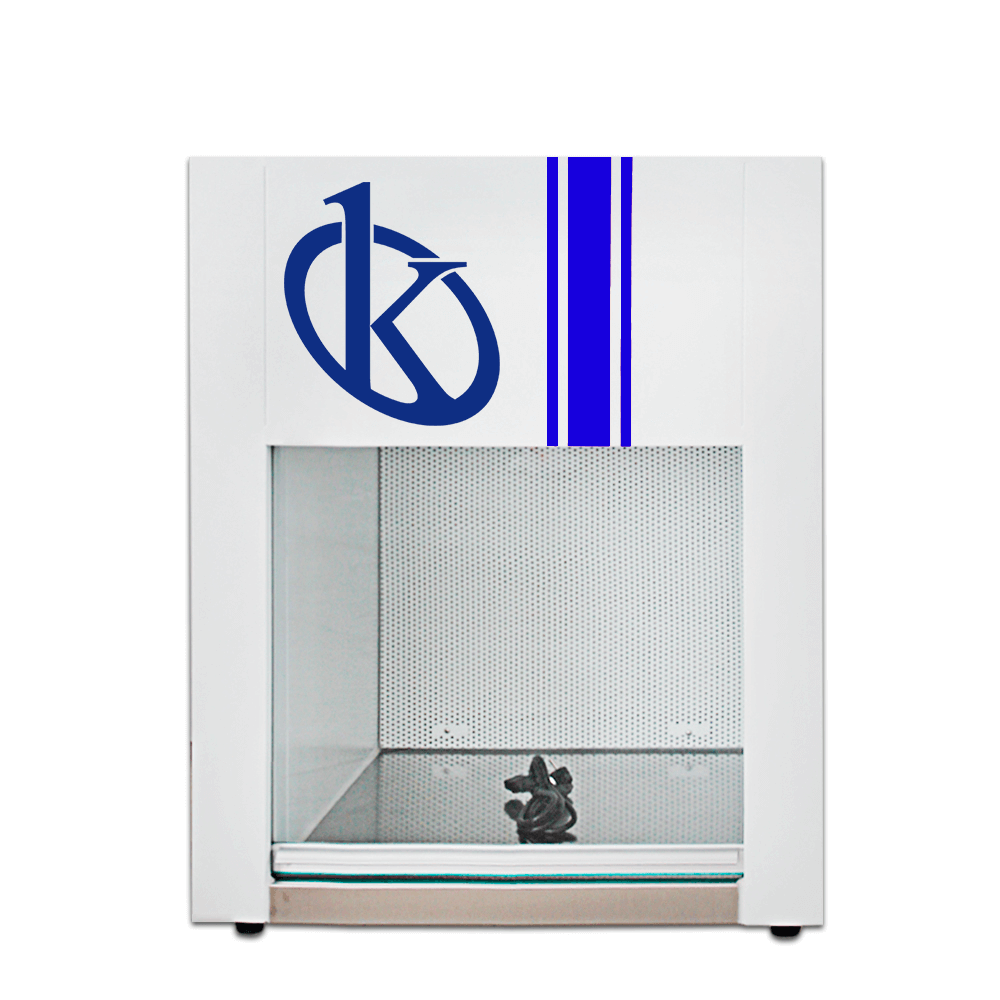
How to Choose an Energy-Efficient Horizontal Laminar Flow Clean Bench
In today's laboratories, the focus on energy sustainability and minimizing environmental footprints is more crucial than ever. Horizontal Laminar Flow Clean Benches are essential for maintaining sterile environments in various applications, including biological engineering and scientific experiments. This article will explore the energy efficiency of different models, their environmental impact reductions, and how to select the best option for your laboratory needs.
Understanding Energy Efficiency in Clean Benches
Energy efficiency in Horizontal Laminar Flow Clean Benches refers to the operational performance of the equipment concerning energy consumption. The aim is to reduce energy waste while ensuring high levels of contamination control. When considering energy efficiency, one must evaluate the airflow design, energy consumption metrics, and the materials used in manufacturing these clean benches.
Moreover, energy-efficient models often incorporate features that reduce the overall environmental impact. This includes utilizing advanced filtration systems that require less frequent maintenance and lower energy consumption during operation. Understanding these features can help laboratories make informed decisions that align with sustainability goals.
Benefits of Energy-Efficient Horizontal Laminar Flow Clean Benches
Investing in energy-efficient clean benches not only minimizes operational costs but also fosters a commitment to environmental responsibility. The benefits include:
- Lower energy bills: Efficient models consume less power, leading to reduced utility costs.
- Reduced carbon footprint: By minimizing energy consumption, laboratories can significantly lower their overall greenhouse gas emissions.
- Compliance with regulations: Many jurisdictions have regulations aimed at reducing energy use in laboratory settings.
- Longevity: Energy-efficient devices often feature superior build quality, which can lead to longer service life and reduced waste.
Comparison of Available Models
| Model | Price (USD) | Airflow Type | Energy Consumption (W) | Best For |
|---|---|---|---|---|
| YR05723 | 240.00 | Horizontal | 100 | Small labs with limited space |
| YR05724 | 300.00 | Horizontal | 220 | General cleanroom applications |
| YR05726 | 420.00 | Horizontal | 100 | Biological research |
| YR05727 | 650.00 | Horizontal | 500 | Large experiments requiring higher airflow |
| YR05728 | 660.00 | Horizontal | 490 | Laboratories focusing on sterility |
| YR05729 | 1020.00 | Horizontal | 640 | High-demand environments needing robust performance |
Energy Consumption and Environmental Impact
When comparing models, it is vital to understand their energy consumption and the subsequent environmental impact. Each model has a distinct energy use profile based on its design and specifications. For example, the YR05723 model operates at just 100W, making it an ideal choice for small labs that still require high cleanliness standards.
In contrast, the YR05729 model, while capable of handling higher airflow at 640W, may not be as energy efficient for smaller applications but offers robust performance for larger-scale operations. Balancing the right model with energy consumption and operational requirements is critical for laboratories aiming for sustainability.
How Each Model Contributes to Sustainability
Each Horizontal Laminar Flow Clean Bench model contributes to sustainability in specific ways:
- YR05723: Ideal for small spaces and low energy consumption.
- YR05724: Offers a balance of performance and energy use, suitable for general applications.
- YR05726: Designed for biological research with efficient operation and minimal waste.
- YR05727: High-performance unit for more complex experiments, though with a higher energy requirement.
- YR05728: Offers a balance of size and efficiency for laboratories focusing on sterility.
- YR05729: Best for heavy-duty applications, ensuring optimal airflow but with increased energy consumption.
Common Mistakes and How to Avoid Them
When selecting Horizontal Laminar Flow Clean Benches, laboratories often make common mistakes that can lead to inefficiencies:
- Focusing solely on price: Cheaper models may not offer the energy savings that justify their costs in the long run.
- Ignoring energy ratings: Always check the energy consumption specifications to avoid high operating costs.
- Overestimating airflow needs: Choosing a model with excessive airflow for smaller tasks can lead to wasted energy.
- Neglecting maintenance: Ensure regular maintenance to keep energy consumption low and efficiency high.
Frequently Asked Questions
What energy efficiency standards should I consider for Horizontal Laminar Flow Clean Benches?
Energy efficiency standards such as ENERGY STAR certification can guide the selection of Horizontal Laminar Flow Clean Benches. For instance, models like the YR05723 and YR05724 are designed to operate efficiently, minimizing energy use while maintaining Class 100 cleanliness standards.
How can I reduce my laboratory's energy consumption with clean benches?
To reduce energy consumption, consider models with lower wattage, like the YR05723, which operates at just 100W. Implementing routine maintenance and optimizing usage schedules can also significantly lower energy costs.
What is the average cost of energy-efficient Horizontal Laminar Flow Clean Benches?
The average cost varies among models, with prices ranging from $240 for the YR05723 to $1020 for the high-demand YR05729. Evaluating energy consumption alongside the purchase price can help in assessing overall value.
Which features contribute to a lower environmental impact in clean benches?
Features such as low energy consumption, efficient filtration systems, and materials that are easy to clean, like stainless steel in the YR05726, contribute to a lower environmental impact. Selecting models designed for energy efficiency is essential for sustainable practices.
How do I choose the right model based on my laboratory's needs?
Assess your laboratory’s specific requirements regarding space, airflow needs, and energy consumption. For example, smaller labs may benefit from the YR05723 for its compact size and efficiency, while larger operations might opt for the YR05729 for its robust performance.
What maintenance practices enhance the sustainability of clean benches?
Regularly changing filters, cleaning surfaces, and ensuring proper airflow can enhance the sustainability of clean benches. Implementing these practices on models such as the YR05724 can prevent energy waste and maintain optimal performance.
How does the design of clean benches affect their energy efficiency?
The design affects airflow patterns and energy consumption significantly. For instance, models like the YR05728 feature efficient airflow designs that minimize resistance, thereby consuming less energy during operation while maintaining cleanliness.
What is the long-term ROI for investing in energy-efficient clean benches?
Investing in energy-efficient clean benches like the YR05723 can yield significant long-term ROI through lower utility costs and reduced environmental impact. A detailed cost-benefit analysis can help determine the payback period for different models based on laboratory usage.
If you are looking for a fusion of innovation and quality, you have come to the right place. At Kalstein, we offer you the luxury of exploring our exclusive catalog of laboratory equipment. We manufacture every device to the highest standards of excellence. Our intuitive and seamless online purchasing channels are designed for your convenience, securing the most competitive prices. Hesitate no longer — we bring science to life, it is time to become part of our community.