Electrolyte Analyzers: Best Techniques and Protocols in 2026
What is it used for in 2026
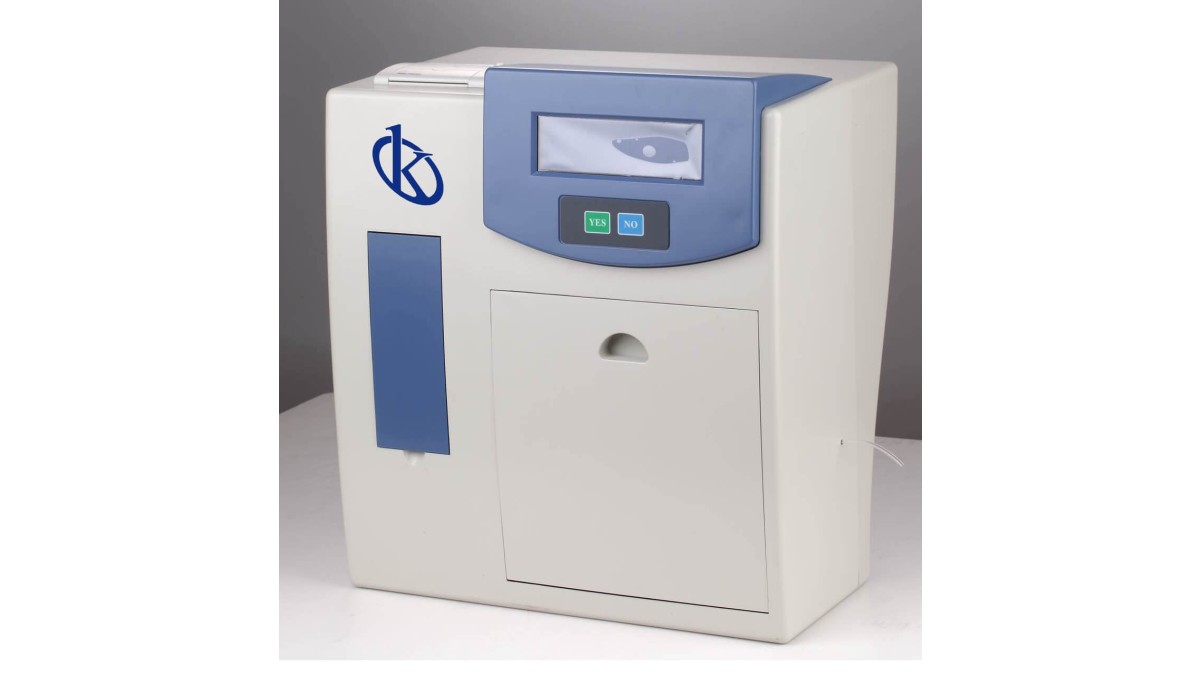
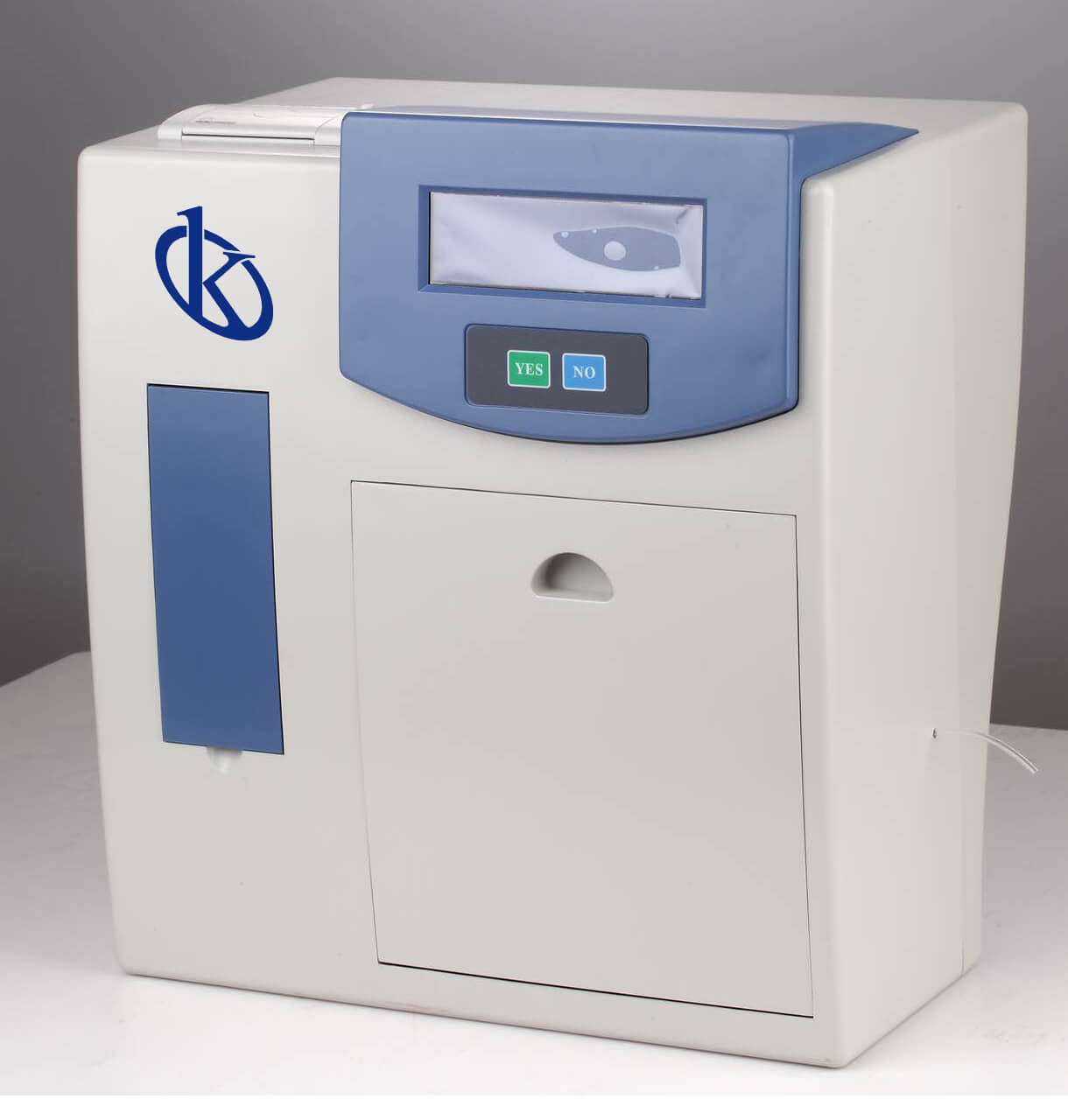
Electrolyte analyzers are essential tools in clinical laboratories used for measuring the concentration of electrolytes in various biological fluids. In 2026, these analyzers are employed for diagnosing patient conditions, monitoring electrolyte balance, and ensuring effective treatment plans. With advances in technology, they provide real-time results, enhancing decision-making in critical care environments.
History and evolution of the technology
The history of electrolyte analyzers dates back to the mid-20th century when the first ion-selective electrodes were developed. These devices paved the way for accurate electrolyte measurement. Over the decades, advancements in sensor technology, automation, and software integration have transformed these analyzers into sophisticated, user-friendly instruments capable of performing multiple tests rapidly and efficiently.
How to use it step by step
To use an electrolyte analyzer, follow these steps:
- Preparation: Ensure the analyzer is calibrated according to manufacturer instructions. Verify that necessary reagents and samples are ready.
- Sample Collection: Collect the biological fluid sample (serum, plasma, or urine) in a clean container.
- Sample Input: Load the sample into the designated area of the analyzer.
- Initiate Testing: Start the testing process through the analyzer’s touchscreen interface or software.
- Results Analysis: Once the test is complete, review the results displayed on the screen. Consider cross-checking with control samples for accuracy.
- Documentation: Record results in the laboratory information system (LIS) for future reference.
Best techniques and protocols
In 2026, the best techniques for using electrolyte analyzers involve strict adherence to protocols that ensure accurate and reliable results:
- Follow standard operating procedures (SOPs) for sample handling and preparation.
- Employ automated calibration methods to maintain the accuracy of the analyzer.
- Use quality control samples regularly to validate the performance of the analyzer.
- Implement a systematic approach to troubleshooting common issues, such as erratic results or instrument errors.
Practical applications by laboratory type
Electrolyte analyzers are utilized across various laboratory settings:
- Clinical Laboratories: For routine electrolyte testing in patient samples, aiding in the diagnosis and treatment of medical conditions.
- Research Laboratories: In studies exploring electrolyte balance in various physiological and pathological conditions.
- Emergency Departments: For rapid assessment of electrolyte levels in critically ill patients requiring immediate medical intervention.
Regulations, standards and certifications
Electrolyte analyzers must comply with various regulations and standards, including:
- ISO 13485:2016 for quality management systems specifically for medical devices.
- CLIA regulations for laboratory testing in the United States.
- CE marking for compliance with European medical device regulations.
Comparison with alternative technologies
While electrolyte analyzers are widely used, alternatives such as spectrophotometry and chromatography exist. Spectrophotometry is often slower and less specific, whereas chromatography can provide detailed analysis but requires more complex setup and operational skills. Electrolyte analyzers stand out for their speed, ease of use, and reliability, making them preferable in many clinical settings.
Comparison of available models
| Model | Best for | Key specs | Recommended use case |
|---|---|---|---|
| YR05169 | Comprehensive electrolyte testing | Weight: 8 kg, Dimensions: 38 x 27 x 40 cm, Price: $6797.50 | Suitable for laboratories requiring high throughput and precise measurements. |
| YR06391 | Cost-effective electrolyte measurement | Weight: Not specified, Dimensions: x x, Price: $1250.00 | Ideal for small clinics or laboratories with limited budgets. |
| YR06392 | Multi-element analysis | Weight: Not specified, Dimensions: x x, Price: $1450.00 | Recommended for laboratories needing flexibility in testing various samples. |
| YR06393 | Advanced panel testing | Weight: Not specified, Dimensions: x x, Price: $1650.00 | Best for comprehensive testing requiring multiple parameters. |
| YR06394 | Versatility in sample types | Weight: Not specified, Dimensions: x x, Price: $1850.00 | Useful for laboratories analyzing diverse sample matrices. |
| YR06395 | High-throughput environments | Weight: Not specified, Dimensions: x x, Price: $2050.00 | Perfect for large clinical settings where efficiency is crucial. |
Common mistakes and how to avoid them
Laboratories often encounter mistakes when using electrolyte analyzers. Common mistakes include:
- Inadequate calibration: Always calibrate before use and regularly check calibration standards.
- Poor sample handling: Use proper techniques for sample collection and storage to avoid contamination.
- Ignoring quality control: Implement routine quality control checks to ensure the accuracy of results.
Maintenance, calibration and good practices 2026
Proper maintenance and calibration are vital for the longevity and accuracy of electrolyte analyzers:
- Establish a regular maintenance schedule as per the manufacturer's guidelines.
- Perform automatic calibration daily or as needed, based on usage frequency.
- Keep the analyzer in a clean environment to prevent dust and contaminants from affecting performance.
Cost-benefit analysis 2026
When considering the purchase of an electrolyte analyzer, evaluate the cost against expected benefits:
- Consider initial investment, ongoing operational costs, and potential savings from accurate diagnostics.
- Assess the impact on laboratory efficiency and patient outcomes, as timely and accurate testing can enhance treatment plans.
Frequently asked questions
What are the key features to look for in an electrolyte analyzer?
When choosing an electrolyte analyzer, consider features such as measurement speed, the range of electrolytes measured, user interface, automation capabilities, and maintenance requirements.
How often should I calibrate my electrolyte analyzer?
Calibration frequency depends on usage but generally, it is recommended to calibrate daily or before performing critical tests to ensure accuracy.
What type of samples can I analyze with these devices?
Electrolyte analyzers can typically analyze serum, plasma, whole blood, and diluted urine samples. Always refer to the manufacturer's guidelines for specific compatibility.
How can I troubleshoot common issues with my analyzer?
Begin by checking the calibration and quality control results. If issues persist, consult the user manual for troubleshooting steps and contact customer support if necessary.
What maintenance practices should I follow?
Regularly clean the analyzer, ensure proper storage of reagents, perform scheduled maintenance checks, and replace any worn or outdated components as recommended by the manufacturer.
What is the average lifespan of an electrolyte analyzer?
The lifespan of an electrolyte analyzer can vary but typically ranges from 5 to 10 years, depending on usage and maintenance practices.
How can I ensure the accuracy of my test results?
To ensure accuracy, follow standardized protocols for sample handling, perform regular calibration, and utilize quality control samples as part of your routine testing.
If you are looking for a fusion of innovation and quality, you have come to the right place. At Kalstein, we offer you the luxury of exploring our exclusive catalog of laboratory equipment. We manufacture every device to the highest standards of excellence. Our intuitive and seamless online purchasing channels are designed for your convenience, securing the most competitive prices. Hesitate no longer — we bring science to life, it is time to become part of our community.