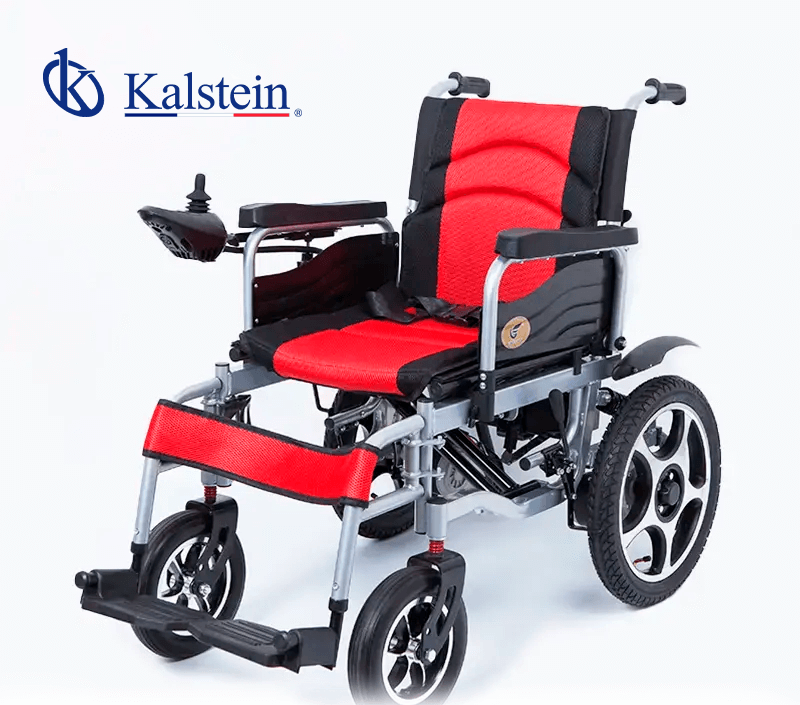
Electric Wheelchair: Practical Usage Guide Step by Step 2026
What is it used for in 2026
Electric wheelchairs are essential mobility devices designed to assist individuals with disabilities and limited mobility. In 2026, these devices are utilized not only for personal mobility but also in various professional and therapeutic settings. They enable users to navigate both indoor and outdoor environments effortlessly. This year, the focus has shifted towards enhancing user experience through technological advancements, ensuring comfort, safety, and ease of use. They are particularly useful in rehabilitation centers, hospitals, and in-home care, making daily activities more accessible.
History and evolution of the technology
The electric wheelchair has undergone significant transformation since its inception in the early 20th century. Originally developed for veterans returning from war, the design and functionality have evolved dramatically. Early models were bulky and limited in features, but advancements in battery technology, motor efficiency, and materials have led to lightweight, foldable options available today. The integration of smart technology, such as remote controls and Bluetooth connectivity, has further revolutionized electric wheelchairs, enhancing user autonomy and convenience.
How to use it step by step
Using an electric wheelchair effectively involves several steps:
- Familiarize with Controls: Understanding the joystick or control panel is crucial. Take time to learn how to operate the wheelchair's speed settings, braking system, and any additional features.
- Adjust Settings: Customize the settings for comfort, including seat height and backrest angle.
- Battery Check: Ensure the battery is charged before use. Familiarize yourself with the battery indicator to avoid running out of power unexpectedly.
- Practice Maneuvering: Start in an open space to practice turning, stopping, and navigating around obstacles.
- Use Safety Features: Always engage safety features such as seat belts and armrests when driving.
- Engage Power Assist: If applicable, utilize features that assist in climbing or navigating difficult terrain.
Best techniques and protocols
To maximize the utility of electric wheelchairs, follow these best practices:
- Regular Training: Users should undergo regular training sessions to stay updated on new features and safety protocols.
- Routine Maintenance: Conduct frequent checks on the chair's mechanical and electrical components to ensure optimal performance.
- Safe Navigation: Always be aware of your surroundings and practice defensive driving, especially in crowded areas.
- Emergency Procedures: Know how to manage emergencies, including how to safely stop the wheelchair in case of malfunction.
Practical applications by laboratory type
Electric wheelchairs can be adapted for various laboratory settings:
- Rehabilitation Labs: Used for therapy sessions that require mobility assistance for patients.
- Research Facilities: Facilitate movement between different research stations for individuals with mobility challenges.
- Healthcare Institutions: Provide mobility support in hospitals and clinics, ensuring easy access to different departments.
Regulations, standards and certifications
In 2026, electric wheelchairs must comply with specific regulations and standards, such as:
- ISO 7176: Standards related to the safety and performance of electric wheelchairs.
- FDA Regulations: Compliance with the U.S. Food and Drug Administration's requirements for medical devices.
- ADA Compliance: Ensure designs meet the Americans with Disabilities Act guidelines for accessibility.
Comparison with alternative technologies
Electric wheelchairs are often compared to manual wheelchairs and mobility scooters. Here are some key differences:
- Electric Wheelchairs: Offer powered mobility with ease of use, suitable for various environments.
- Manual Wheelchairs: Require physical effort to operate, making them less suitable for users with severe limitations.
- Mobility Scooters: Provide a larger seating area and are better for outdoor use, while electric wheelchairs are more compact for indoor navigation.
Comparison of available models
| Model | Best for | Key specs | Recommended use case |
|---|---|---|---|
| YR05440 | Lightweight transport | Seat width: 45cm, Weight capacity: 130kg | Ideal for travel and short-distance mobility. |
| YR05441 | Adjustable seating | Seat depth: 45cm, Max speed: 6 km/h | Best for users needing customizable seating options. |
| YR05442 | Off-road capabilities | Load capacity: 200kg, Max speed: 20 km/h | Suitable for outdoor terrains and climbing. |
| YR05443 | Remote control operation | Weight: 30kg, Seat width: 45cm | Best for users requiring remote accessibility. |
| YR05444 | Bluetooth connectivity | Weight capacity: 100kg, Motor: 700W | Ideal for tech-savvy users who prefer smart features. |
| YR05445 | Compact design | Seat width: 36cm, Max speed: 8 km/h | Best for users needing a lightweight and portable option. |
Common mistakes and how to avoid them
To ensure safety and longevity of electric wheelchairs, avoid these common mistakes:
- Neglecting Maintenance: Regularly check and maintain the wheelchair to prevent breakdowns.
- Ignoring Weight Limits: Exceeding the weight capacity can lead to equipment failure.
- Not Understanding Controls: Familiarize yourself with all controls and features to avoid accidents.
Maintenance, calibration and good practices 2026
Proper maintenance is essential for the efficient operation of electric wheelchairs:
- Routine Inspections: Check for wear and tear on tires, controls, and seating.
- Battery Care: Follow manufacturer guidelines for charging and battery replacement.
- Keep Clean: Regularly clean the wheelchair to maintain hygiene and functionality.
Cost-benefit analysis 2026
When evaluating electric wheelchairs:
- Initial Cost: Assess the upfront cost versus long-term benefits, including time saved and increased mobility.
- Return on Investment: Consider the impact on quality of life and independence for the user.
- Maintenance Costs: Factor in ongoing maintenance against the potential for medical expenses due to mobility-related injuries.
Frequently asked questions
How do I choose the right electric wheelchair model for my needs?
When selecting an electric wheelchair, consider factors such as weight capacity, battery life, and features like adjustable seating. Assess your daily usage scenarios to find the best fit.
What are the primary safety features I should look for?
Essential safety features include seat belts, anti-tip devices, and reliable braking systems. Ensure the wheelchair adheres to safety standards and regulations.
Can I use an electric wheelchair in both indoor and outdoor settings?
Yes, many electric wheelchairs are designed for versatile use. However, consider models with robust tires and higher weight capacities for outdoor terrain.
What maintenance is required for electric wheelchairs?
Regular maintenance includes checking tire pressure, battery health, and overall mechanical integrity. Follow the manufacturer's maintenance guidelines for optimal operation.
Are there any financing options available for purchasing an electric wheelchair?
Many providers offer financing plans or payment options to make electric wheelchairs more affordable. Check with your supplier for available programs.
How can I ensure the longevity of my electric wheelchair?
To ensure longevity, routinely inspect the wheelchair, keep it clean, and follow maintenance schedules. Address any mechanical issues promptly to avoid further damage.
What should I do if my electric wheelchair malfunctions?
If your wheelchair malfunctions, consult the user manual for troubleshooting steps. If the issue persists, contact a qualified technician or service provider for assistance.
If you are looking for a fusion of innovation and quality, you have come to the right place. At Kalstein, we offer you the luxury of exploring our exclusive catalog of laboratory equipment. We manufacture every device to the highest standards of excellence. Our intuitive and seamless online purchasing channels are designed for your convenience, securing the most competitive prices. Hesitate no longer — we bring science to life, it is time to become part of our community.