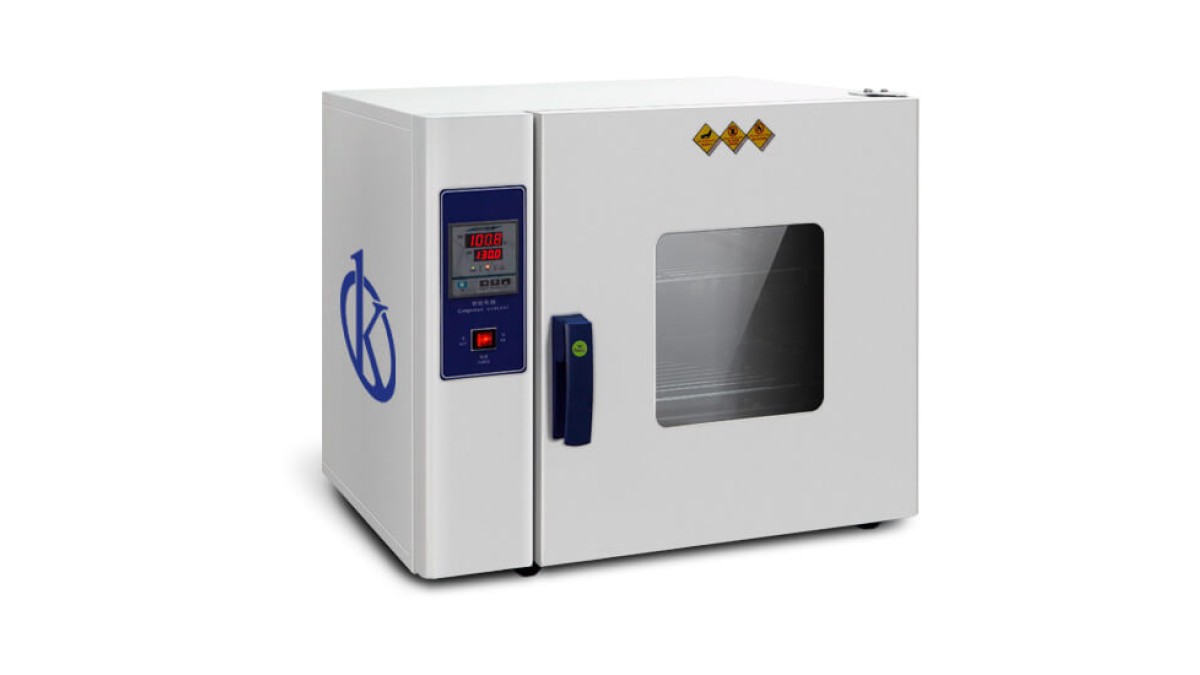
Drying Ovens: Applications in Research, Biotechnology and Academia 2026
What is it used for in 2026
Drying ovens are crucial in various laboratory settings, especially in research, biotechnology, and academia. In 2026, they are primarily used for drying, sterilizing, and maintaining materials at specific temperatures. These ovens are essential for processes such as the drying of laboratory samples, sterilization of equipment, and even preparing samples for analysis. Their precise temperature control and uniform heating capabilities make them ideal for applications requiring high standards of accuracy.
History and evolution of the technology
The evolution of drying ovens can be traced back to the early 20th century when the need for accurate temperature control became evident in laboratories. Initially, these ovens operated on simple heating mechanisms, but advancements in technology led to the implementation of PID (Proportional-Integral-Derivative) control systems. Modern drying ovens now incorporate digital displays, programmable settings, and even connectivity to computers for monitoring, showcasing a significant evolution from their rudimentary predecessors.
How to use it step by step
Using a drying oven involves several key steps:
- Preparation: Ensure that the oven is clean and free from any contaminants. Verify that all components are functioning properly.
- Loading: Place the samples in the oven without overcrowding, ensuring proper air circulation.
- Setting the Temperature: Set the desired temperature using the control panel. For most applications, temperatures range from RT+5°C to 250°C.
- Timing: Set the timer as needed based on the specific requirements of your samples.
- Monitoring: Regularly check the oven's temperature and ensure it remains stable throughout the drying process.
- Completion: Once the cycle is complete, allow the oven to cool down before opening it. Check the samples for dryness.
Best techniques and protocols
When using drying ovens, following best practices is essential to ensure optimal results:
- Use calibrated thermometers to verify the oven's temperature accuracy.
- Implement a systematic loading method to maximize space and ensure uniform air circulation.
- Adhere to recommended time and temperature settings for specific materials.
- Consider using moisture analysis techniques to determine when samples are adequately dried.
Practical applications by laboratory type
Different laboratory types benefit from drying ovens in various ways:
- Research Laboratories: Use for sample preparation, preserving biological samples, and conducting experiments needing controlled drying.
- Biotechnology Labs: Employ to dry enzymes, biological cultures, and reagents, ensuring activity and stability.
- Academic Institutions: Utilize for teaching students the methodologies of drying and sterilization in laboratory settings.
Regulations, standards and certifications
When using drying ovens, compliance with regulations and standards is critical. Laboratories should adhere to ISO standards relevant to laboratory equipment, ensuring that all safety and operational guidelines are met. Certification for drying ovens may also include CE marking in the European Union, indicating compliance with health, safety, and environmental protection legislation.
Comparison with alternative technologies
While drying ovens are widely used, there are alternative technologies available, such as vacuum dryers and microwave drying systems. Vacuum dryers are suitable for heat-sensitive samples as they operate at lower temperatures. Microwave drying, on the other hand, can significantly reduce drying time but may not be suitable for all materials. Therefore, the choice of technology depends on the specific requirements of the material being processed.
Comparison of available models
| Model | Best for | Key specs | Recommended use case |
|---|---|---|---|
| YR05244 | High uniformity temperature requirements | Temperature range: RT+5~250°C, Precision: ±0.1°C, Power: 1 kW | Laboratory research supporting sensitive experiments |
| YR05245 | General drying and sterilization | Temperature range: RT+5~250°C, Precision: ±0.1°C, Power: 1 kW | Routine laboratory operations |
| YR05246 | High-performance applications | Temperature range: RT+5~250°C, Precision: ±0.1°C, Power: 1 kW | Advanced research protocols |
| YR05247 | Heavy-duty applications | Temperature range: RT+5~250°C, Precision: ±0.1°C, Power: 1 kW | Usage in pharmaceutical laboratories |
| YR05248-A | Routine laboratory use | Temperature range: RT+5~250°C, Power: 1 kW | Regular drying tasks in academic settings |
| YR05249-A | Cost-effective drying solutions | Temperature range: RT+5~250°C, Power: 1 kW | Affordable choice for small labs |
Common mistakes and how to avoid them
Laboratory professionals often encounter mistakes when using drying ovens. Common errors include:
- Overloading the oven, which can hinder air circulation and affect drying efficiency.
- Setting incorrect temperatures, leading to overheating or inadequate drying.
- Neglecting to clean the oven regularly, which can contaminate samples.
To avoid these pitfalls, always refer to equipment manuals, calibrate instruments regularly, and maintain an organized workspace.
Maintenance, calibration and good practices 2026
Regular maintenance is essential for optimal performance of drying ovens:
- Conduct routine cleaning of the internal and external surfaces.
- Calibrate temperature sensors at least once a year to ensure accuracy.
- Perform regular checks on electrical components to prevent malfunctions.
- Document all maintenance activities for compliance and tracking.
Cost-benefit analysis 2026
In 2026, investing in high-quality drying ovens offers significant benefits. While initial costs may be substantial, the long-term savings from reduced energy consumption, increased efficiency, and lower sample failure rates justify the investment. Additionally, choosing models with advanced features can enhance laboratory productivity and reduce operational risks.
Frequently asked questions
How do I choose the right drying oven for my laboratory?
Choosing the right drying oven depends on your specific needs, including the types of materials you work with, temperature requirements, and available space. Evaluate models based on their specifications and your operational requirements.
What are the common applications of drying ovens?
Common applications include drying biological samples, sterilizing laboratory equipment, and preparing samples for analytical processes. They are essential in research and biotechnology labs for ensuring sample integrity.
Can I use a drying oven for heat-sensitive materials?
While drying ovens are capable of handling various materials, heat-sensitive materials may require alternative drying technologies, such as vacuum drying, to prevent degradation.
What is the importance of calibration in drying ovens?
Calibration ensures that the drying oven operates at the set temperature accurately. Regular calibration prevents discrepancies that could affect sample integrity and research outcomes.
How often should I clean my drying oven?
It is advisable to clean your drying oven after every use to prevent contamination and maintain optimal performance. Regular maintenance also extends the life of the equipment.
Are there any safety precautions to consider when using drying ovens?
Always wear appropriate personal protective equipment, ensure proper ventilation, and avoid opening the oven door while in operation to maintain temperature stability and safety.
How can I request a quote for drying ovens?
You can request a quote by contacting our sales team or visiting our website to access our catalog and pricing information.
If you are looking for a fusion of innovation and quality, you have come to the right place. At Kalstein, we offer you the luxury of exploring our exclusive catalog of laboratory equipment. We manufacture every device to the highest standards of excellence. Our intuitive and seamless online purchasing channels are designed for your convenience, securing the most competitive prices. Hesitate no longer — we bring science to life, it is time to become part of our community.