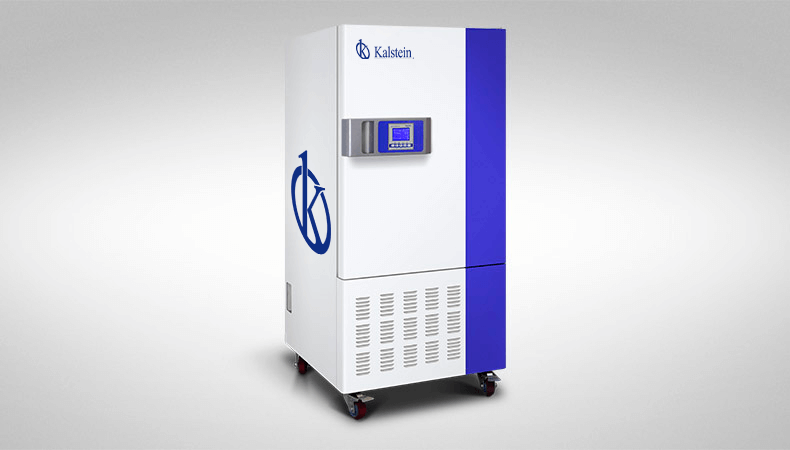
Drug Stability Test Chambers: Practical Applications and Techniques 2026
In the dynamic environment of laboratory research and quality control, Drug Stability Test Chambers play a crucial role in ensuring the safety and efficacy of pharmaceutical products. As we delve into 2026, it's essential for laboratory professionals to understand the applications, techniques, and best practices associated with these advanced chambers.
What is it used for in 2026
Drug Stability Test Chambers are primarily utilized to evaluate the stability of pharmaceutical products under various environmental conditions. These chambers simulate different temperature and humidity levels, enabling laboratories to assess how drugs maintain their quality over time. In 2026, these chambers are essential for:
- Conducting long-term stability studies for pharmaceuticals.
- Providing critical data for regulatory submissions.
- Ensuring compliance with industry standards and guidelines.
- Supporting research and development initiatives in the pharmaceutical and biotechnological fields.
- Testing the effects of light exposure on drug formulations.
History and evolution of the technology
The technology behind Drug Stability Test Chambers has evolved significantly over the years. Initially, stability testing relied on simple environmental controls that lacked precision. However, advancements in temperature control and humidity regulation have led to the development of sophisticated chambers capable of simulating a wide range of conditions. Today's models feature:
- Microprocessor-based control systems for enhanced accuracy.
- Automated defrosting mechanisms to maintain optimal temperatures.
- Comprehensive safety systems to prevent equipment failure.
This evolution reflects the growing need for rigorous testing standards in the pharmaceutical industry, aligning with increased regulatory scrutiny and the demand for high-quality drug products.
How to use it step by step
Using a Drug Stability Test Chamber efficiently involves several key steps:
- Preparation: Ensure the chamber is clean and calibrated. Check for any residual materials from previous tests.
- Setting Parameters: Input the desired temperature and humidity settings based on the specific requirements of your stability study.
- Loading Samples: Place the drug samples in the chamber, ensuring they are spaced adequately for uniform air circulation.
- Monitoring: Regularly check the chamber's performance through its built-in monitoring systems. Record any fluctuations in temperature and humidity.
- Data Collection: At designated intervals, collect samples for analysis to assess stability over time.
- Reporting: Compile the results and observations for regulatory compliance and internal documentation.
Best techniques and protocols
Implementing best practices in using Drug Stability Test Chambers ensures accurate and reliable results. Consider the following techniques:
- Regular calibration of the chamber to maintain accuracy.
- Utilizing data logging systems for precise tracking of environmental conditions.
- Conducting parallel studies to compare different formulations under identical conditions.
- Incorporating light exposure tests to determine the photostability of drugs.
Practical applications by laboratory type
Drug Stability Test Chambers find applications across various laboratory settings:
- Pharmaceutical Laboratories: Essential for stability testing during drug development.
- Biotechnology Labs: Critical for maintaining the efficacy of biologics and vaccines.
- Quality Control Labs: Used for routine stability assessments of marketed products.
- Research Institutions: Important for experimental studies involving new formulations.
Regulations, standards and certifications
In 2026, adherence to regulations and standards is paramount for laboratories using Drug Stability Test Chambers. Key regulations include:
- FDA guidelines for stability testing.
- ICH Q1A (R2) guidelines on stability testing.
- ISO 17025 standards for laboratory competence.
Compliance with these standards ensures that laboratories can validate their processes and maintain the integrity of their products.
Comparison with alternative technologies
While Drug Stability Test Chambers are indispensable, alternative technologies exist, such as:
- Incubators: Used for biological samples but may not offer the same humidity control.
- Environmental Chambers: Suitable for various tests but may lack specific pharmaceutical compliance features.
- Refrigerated Storage Units: Primarily for short-term storage rather than stability testing.
The specificity and precision of Drug Stability Test Chambers make them a preferred choice for pharmaceutical stability testing.
Comparison of available models
| Model | Best for | Key specs | Recommended use case |
|---|---|---|---|
| YR05350 | Temperature and humidity stability | 0~60°C, ±0.5°C fluctuation | Long-term stability studies |
| YR05351 | Broad environmental testing | 0~60°C, ±0.5°C fluctuation | Pharmaceutical quality control |
| YR05352 | Advanced stability testing | 0~60°C, ±0.5°C fluctuation | Research and development applications |
Common mistakes and how to avoid them
Laboratories often encounter pitfalls when using Drug Stability Test Chambers. To avoid common mistakes:
- Ensure thorough calibration before starting experiments.
- Do not overload the chamber, as this can impact airflow and temperature uniformity.
- Regularly verify the monitoring systems to avoid data loss.
- Keep detailed records of all experiments to track anomalies and results.
Maintenance, calibration and good practices 2026
Regular maintenance and calibration are vital for optimal performance:
- Perform quarterly calibration checks and adjustments.
- Clean the interior surfaces to prevent contamination.
- Inspect seals and gaskets regularly for wear and tear.
Implementing good practices ensures prolonged equipment life and reliable testing results.
Cost-benefit analysis 2026
A comprehensive cost-benefit analysis is essential when considering the investment in Drug Stability Test Chambers. Factors to consider include:
- Initial purchase cost vs. potential revenue from compliant products.
- Long-term savings from reduced product recalls and regulatory fines.
- Increased efficiency in research and development processes.
Investing in high-quality chambers can lead to significant financial gains and enhanced reputation in the market.
Frequently asked questions
What are the main criteria for selecting a Drug Stability Test Chamber?
When selecting a Drug Stability Test Chamber, consider factors like temperature range, humidity control capabilities, chamber size, and data monitoring features. It’s also essential to evaluate the manufacturer’s reputation and after-sales support.
How often should I conduct maintenance on my stability test chamber?
Regular maintenance should be conducted at least quarterly, including calibration checks, cleaning, and inspection of seals. Adhering to a strict maintenance schedule ensures reliable performance and longevity of the equipment.
Can I use a Drug Stability Test Chamber for non-pharmaceutical products?
While Drug Stability Test Chambers are optimized for pharmaceutical testing, they can also be utilized for stability studies of other products that require controlled environmental conditions, such as cosmetics and certain food products.
What common issues might be encountered when using these chambers?
Common issues include temperature fluctuations, humidity control failures, and data logging errors. Regular maintenance and monitoring can help mitigate these problems effectively.
Is training necessary for operating a Drug Stability Test Chamber?
Yes, proper training is essential for laboratory personnel to operate the chamber effectively, understand its functions, and interpret the data correctly. This training helps in avoiding errors that could impact test results.
How do I ensure compliance with industry regulations?
To ensure compliance, familiarize yourself with the relevant regulations such as FDA and ICH guidelines. Regular audits, documentation of processes, and maintaining calibration records also contribute to compliance.
If you are looking for a fusion of innovation and quality, you have come to the right place. At Kalstein, we offer you the luxury of exploring our exclusive catalog of laboratory equipment. We manufacture every device to the highest standards of excellence. Our intuitive and seamless online purchasing channels are designed for your convenience, securing the most competitive prices. Hesitate no longer — we bring science to life, it is time to become part of our community.