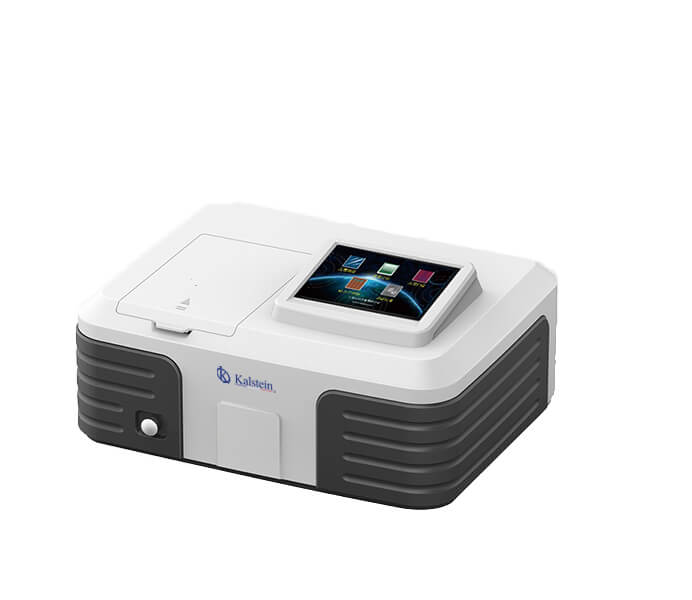
Double Beam Spectrophotometers: Common Errors and How to Avoid Them in Daily Operation 2026
What is it used for in 2026
Double beam spectrophotometers are critical instruments in laboratories for analyzing the absorbance and transmission of light through samples. In 2026, their applications span across various fields, including biochemical analysis, environmental monitoring, and pharmaceutical development. These instruments are designed to provide precise measurements by comparing the light intensity of a sample beam with a reference beam, minimizing the effects of fluctuations in light source intensity.
History and evolution of the technology
The development of spectrophotometry dates back to the late 19th century, and the introduction of double beam technology marked a significant advancement in the field. Early models experienced limitations with light stability and measurement precision. The double beam design, however, allowed for improved accuracy by using two light paths, thus compensating for variations in light output. Over time, advancements in optics, electronics, and software have transformed these devices into highly sophisticated instruments, capable of handling complex analytical tasks with minimal user intervention.
How to use it step by step
Operating a double beam spectrophotometer involves several steps to ensure accurate results:
- Preparation: Ensure the spectrophotometer is calibrated and all components are clean.
- Sample and Blank Preparation: Prepare your sample and a blank (solvent or control). The blank should match the solvent used in the sample.
- Setting Wavelength: Select the appropriate wavelength for your analysis based on the absorption spectrum of the analyte.
- Baseline Correction: Run the blank through the spectrophotometer to establish a baseline reading.
- Sample Analysis: Insert the sample into the light path and take readings. Ensure to log data systematically.
- Data Analysis: Analyze the readings using software to generate results, and ensure to compare with standard curves if applicable.
Best techniques and protocols
To achieve optimal results when using double beam spectrophotometers, adhere to the following techniques and protocols:
- Always use high-quality cuvettes compatible with the wavelength range.
- Ensure all light paths are free from obstructions and contaminants.
- Regularly calibrate the instrument against standard solutions to maintain accuracy.
- Perform replicates for statistical reliability and consistency.
- Utilize suitable software for data analysis and storage.
Practical applications by laboratory type
Double beam spectrophotometers find their applications in various laboratory settings:
- Biochemistry Laboratories: Used for protein quantification and nucleic acid analysis.
- Environmental Labs: Analyzing water samples for pollutants and nutrient levels.
- Pharmaceuticals: Quality control and formulation studies to measure active ingredients.
- Food Industry: Testing for color, quality, and stability of food products.
Regulations, standards and certifications
In 2026, compliance with industry standards is critical. Laboratories must adhere to regulations set by bodies such as the FDA, ISO, and GLP. Regular audits and certifications ensure that spectrophotometric analyses maintain quality assurance and reliability. Laboratories should also keep abreast of updated protocols to avoid non-compliance with evolving industry standards.
Comparison with alternative technologies
While double beam spectrophotometers are widely used, alternative technologies exist, such as single beam spectrophotometers and mass spectrometry. Single beam spectrophotometers are generally less expensive but may lack the precision of double beam systems. Mass spectrometry, on the other hand, provides detailed molecular analysis but at a higher cost and complexity. The choice between these technologies depends on specific laboratory needs, budget, and required analytical depth.
Comparison of available models
| Model | Best for | Key specs | Recommended use case |
|---|---|---|---|
| YR01858 | General laboratory analysis | 320-1100 nm, ±0.3% T accuracy | Standard measurements and routine analysis |
| YR01862 | Advanced biochemical assays | 190-1100 nm, ±0.1nm accuracy | Complex biological sample testing |
| YR01862-1 | High-resolution measurements | 190-1100 nm, 1.0 nm bandwidth | High precision analytical applications |
| YR01862-2 | Versatile laboratory needs | 190-1100 nm, multi-functional | General purpose with emphasis on reliability |
| YR01864 | Standard laboratory tasks | 190-1100 nm, 0.5 nm bandwidth | Routine analyses and quality checks |
| YR01865 | High throughput analysis | 190-1100 nm, robust performance | High demand testing environments |
Common mistakes and how to avoid them
Common errors in operating double beam spectrophotometers can lead to inaccurate results. Here are some mistakes and tips to avoid them:
- Failing to calibrate: Always calibrate before use to ensure accuracy.
- Incorrect wavelength setting: Double-check the selected wavelength against the absorption characteristics of your sample.
- Neglecting the blank: Always run a blank for baseline correction to eliminate background interference.
- Using dirty cuvettes: Clean cuvettes thoroughly between samples to avoid contamination.
Maintenance, calibration and good practices 2026
Regular maintenance and calibration are essential for ensuring the longevity and accuracy of double beam spectrophotometers:
- Perform routine cleaning of optical components and light sources.
- Establish a regular calibration schedule with certified standards.
- Keep the software updated for optimal performance and security.
- Document all maintenance activities and calibration results for compliance and tracking.
Cost-benefit analysis 2026
The investment in double beam spectrophotometers can be substantial; however, the benefits of enhanced accuracy and reliability often justify the costs. Consideration should be given to:
- Initial purchase costs versus the potential for cost savings in terms of reduced reagent use and waste.
- Operational costs including maintenance and calibration.
- Potential for increased throughput and efficiency in laboratory workflows.
Frequently asked questions
What are the key features to look for in a double beam spectrophotometer?
When selecting a double beam spectrophotometer, consider the wavelength range, accuracy, bandwidth, and additional features such as data handling capabilities and user interface.
How do I properly clean the optical components of my spectrophotometer?
Use lint-free wipes and suitable cleaning solutions to gently clean optical surfaces, avoiding any abrasive materials that could scratch the lenses.
Can I run samples with different solvents in the same analysis?
It is crucial to use the same solvent for both the blank and the sample to maintain consistency in the results.
What types of cuvettes should I use with my spectrophotometer?
Use cuvettes made from materials that are transparent to the wavelengths being analyzed, such as quartz or glass, ensuring they are compatible with your specific spectrophotometer.
How often should I calibrate my spectrophotometer?
Calibration should be performed regularly, typically before each measuring session or after significant maintenance activities to ensure accuracy.
What is the best way to store my spectrophotometer?
Store your spectrophotometer in a clean, dry environment away from direct sunlight and extreme temperatures to protect the optical components.
How can I increase the accuracy of my readings?
Ensure proper calibration, use high-quality cuvettes, and maintain a consistent temperature and environment during measurements for improved accuracy.
If you are looking for a fusion of innovation and quality, you have come to the right place. At Kalstein, we offer you the luxury of exploring our exclusive catalog of laboratory equipment. We manufacture every device to the highest standards of excellence. Our intuitive and seamless online purchasing channels are designed for your convenience, securing the most competitive prices. Hesitate no longer — we bring science to life, it is time to become part of our community.