Digital Salinity Refractometer: Practical Applications and Techniques 2026
What is it used for in 2026
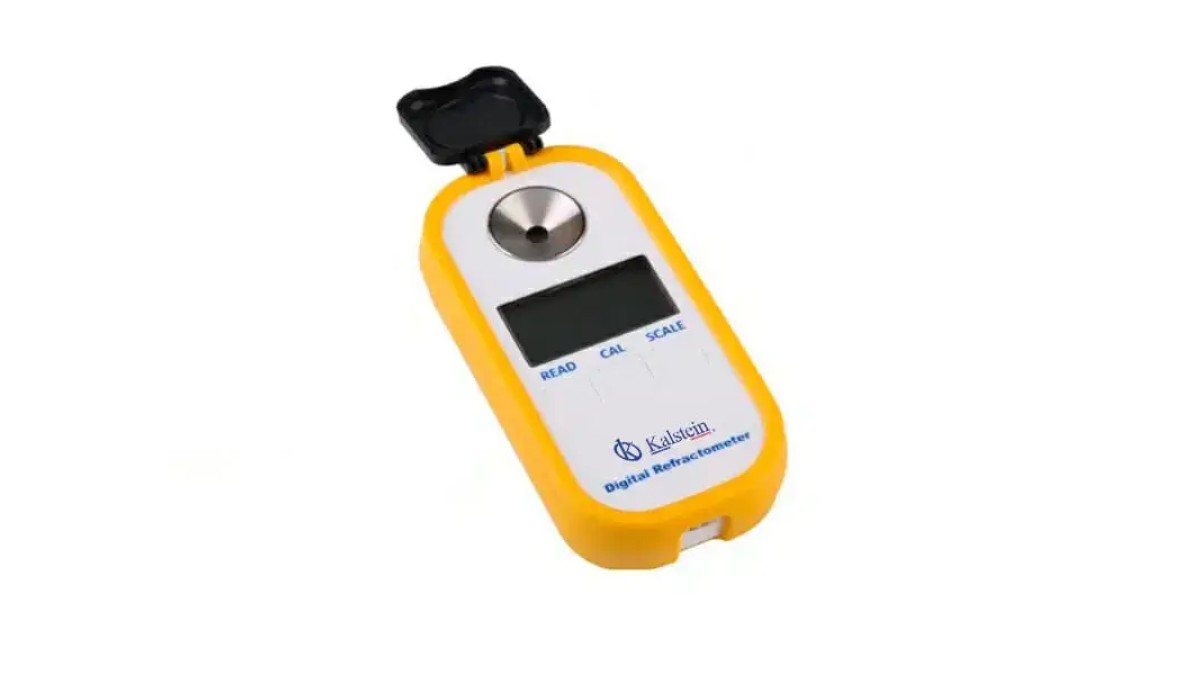
In 2026, digital salinity refractometers play a crucial role across various laboratory settings, particularly in research, biotechnology, and academic environments. They are utilized for measuring the salinity of solutions, such as sodium chloride and seawater, providing vital data for a range of applications including environmental monitoring, food science, and aquaculture.
History and evolution of the technology
The refractometer technology has evolved significantly since its invention in the 19th century. Initially used in basic applications, advancements have led to the development of digital salinity refractometers, which offer improved accuracy and ease of use. The integration of automatic temperature compensation (ATC) has further enhanced their reliability, making them indispensable tools in modern laboratories.
How to use it step by step
Using a digital salinity refractometer involves a straightforward process:
- Calibrate the refractometer according to the manufacturer’s instructions.
- Place a single drop of the sample solution on the prism.
- Close the cover to avoid air bubbles.
- Press the measurement button to obtain the salinity reading.
- Record the results and clean the prism after use.
Best techniques and protocols
For optimal results, follow these best techniques:
- Ensure the equipment is regularly calibrated to maintain accuracy.
- Use distilled water to clean the prism between measurements to avoid contamination.
- Allow samples to reach room temperature before measurement for the most accurate readings.
- Perform multiple readings and average the results for consistency.
Practical applications by laboratory type
Digital salinity refractometers are used in various laboratory types:
- Environmental Laboratories: Measuring salt content in water bodies.
- Food Industry: Testing salinity in food products for quality control.
- Aquaculture: Monitoring salinity levels to ensure optimal fish health.
- Biotechnology: Analyzing solutions in research and product development.
Regulations, standards and certifications
Compliance with relevant regulations is critical. In many laboratories, digital salinity refractometers must adhere to ISO standards for measurement equipment. Certifications from recognized bodies can validate the accuracy and reliability of the devices.
Comparison with alternative technologies
Compared to traditional analog refractometers, digital salinity refractometers provide:
- Improved accuracy due to digital readouts.
- Automatic temperature compensation for reliable results.
- Ease of use, allowing for quick measurements with minimal training.
Comparison of available models
| Model | Best for | Key specs | Recommended use case |
|---|---|---|---|
| YR05953 | Salinity Measurement | 0.0-28.0%, ±0.1%, ATC 0-40°C | Ideal for low salinity solutions, such as freshwater environments. |
| YR05954 | High Salinity Analysis | 0-280‰, ±1‰, ATC 0-40°C | Best for oceanographic studies and seawater analysis. |
| YR05955 | Density Measurement | 1.000-1.217, ±0.002, ATC 0-40°C | Useful in quality control processes for liquids. |
| YR05956 | Refractive Index | 1.3330-1.3900nD, ±0.0003nD, ATC 0-40°C | Ideal for research needing precise refractive index readings. |
| YR05957 | Salinity Measurement | 0-100‰, ±2‰, ATC 0-40°C | Good for general salinity testing in diverse environments. |
| YR05958 | Clinical Applications | 0-57‰, ±2‰, ATC 0-40°C | Best suited for clinical settings where salinity impacts patient outcomes. |
| YR05959 | Density Measurement | 1.000-1.070, ±0.002, ATC 0-40°C | Used for specific density applications in laboratories. |
| YR05960 | Refractive Index | 1.3330-1.3530nD, ±0.0003nD, ATC 0-40°C | Useful for detailed analysis in scientific research. |
Common mistakes and how to avoid them
Laboratory professionals often encounter a few common mistakes when using digital salinity refractometers:
- Failing to calibrate before use. Always calibrate to ensure accuracy.
- Not cleaning the prism after each measurement can lead to contamination. Clean regularly.
- Ignoring temperature effects on readings. Utilize ATC features effectively.
Maintenance, calibration and good practices 2026
For proper maintenance:
- Conduct regular calibrations as per the manufacturer’s recommendations.
- Store the device in a safe, dry place.
- Perform routine cleanings after each use to prevent buildup on the prism.
Cost-benefit analysis 2026
Investing in digital salinity refractometers can yield significant benefits, including:
- Enhanced accuracy improves data reliability, which is crucial for research outcomes.
- Time savings with quick measurements boost laboratory efficiency.
- The durability of modern devices reduces long-term costs associated with frequent replacements.
Frequently asked questions
What should I consider when choosing a digital salinity refractometer?
Consider the measurement range, accuracy, and whether automatic temperature compensation is included. Evaluate your specific needs to find the best fit.
How often should I calibrate my refractometer?
It is advisable to calibrate your refractometer before each use or at least once a week to ensure accurate measurements.
Can I use a digital salinity refractometer for other types of measurements?
Many models are versatile and can measure parameters such as refractive index and density, making them suitable for various applications beyond salinity.
What are the signs of a malfunctioning refractometer?
Inconsistent readings and failure to calibrate correctly can indicate a malfunction. Immediate inspection and servicing are recommended.
Is it necessary to clean the prism after each measurement?
Yes, cleaning the prism after each use is essential to avoid contamination and ensure accurate results.
How can I improve my measurement accuracy?
Ensure regular calibration, use clean samples, and allow samples to reach room temperature prior to measurement.
Where can I request a quote for purchasing a refractometer?
You can easily request a quote on various models through our platforms, designed for your convenience.
If you are looking for a fusion of innovation and quality, you have come to the right place. At Kalstein, we offer you the luxury of exploring our exclusive catalog of laboratory equipment. We manufacture every device to the highest standards of excellence. Our intuitive and seamless online purchasing channels are designed for your convenience, securing the most competitive prices. Hesitate no longer — we bring science to life, it is time to become part of our community.