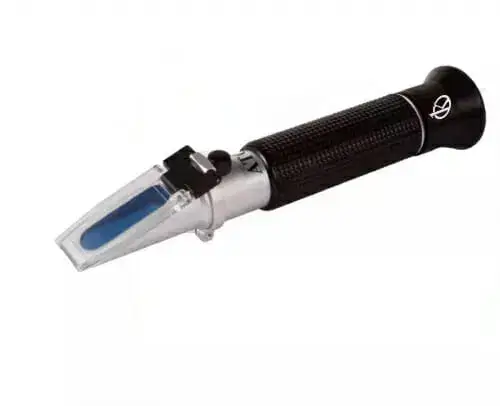
Digital Clinical Refractometers: Best Techniques and Protocols 2026
What is it used for in 2026
Digital clinical refractometers are pivotal in laboratories for assessing the concentration of solutes in liquid samples. They are extensively used in both veterinary and human clinical settings to measure parameters such as Specific Gravity of Urine, Total Serum Protein, and Refractive Index. These measurements are crucial as they provide immediate insights into the hydration status, kidney function, and overall health of patients. In 2026, these devices have become more sophisticated, offering enhanced accuracy and usability.
History and evolution of the technology
The evolution of refractometers dates back to the 19th century when optical methods were first developed to measure light refraction. Over the decades, these devices have transitioned from traditional manual refractometers to advanced digital models capable of automatic temperature compensation (ATC). The integration of digital technology in the 21st century has revolutionized the accuracy and ease of use, making these instruments essential in modern laboratories.
How to use it step by step
Using a digital clinical refractometer involves a straightforward process. Here’s how to do it:
- Calibration: Before use, ensure the refractometer is calibrated using distilled water (set as zero).
- Sample Preparation: Collect the liquid sample to be tested, ensuring it is free from bubbles and contaminants.
- Measuring: Place a few drops of the sample on the prism of the refractometer.
- Read Results: Close the cover, wait for the reading to stabilize, and then read the results displayed on the digital screen.
- Documentation: Record the readings for future reference and analysis.
Best techniques and protocols
To maximize accuracy with digital refractometers in 2026, the following techniques should be employed:
- Regular calibration to ensure consistent readings.
- Using temperature-controlled samples for accurate measurement.
- Following proper cleaning protocols between different samples to avoid cross-contamination.
- Maintaining a consistent environment regarding light and temperature during measurements.
Practical applications by laboratory type
Digital clinical refractometers find applications across various types of laboratories:
- Clinical Laboratories: For assessing patient health through urine and serum analysis.
- Veterinary Laboratories: For diagnosing and monitoring the health of animals.
- Research Laboratories: In studies involving fluid dynamics and solution concentrations.
Regulations, standards and certifications
Digital clinical refractometers must comply with several regulations and certifications to ensure their reliability and safety. Key standards include ISO 13485 for medical devices and CE marking for products sold in the European market. Laboratories should verify that their equipment adheres to these standards to ensure accurate testing and reporting.
Comparison with alternative technologies
Alternative technologies such as optical density meters and other forms of analyzers may also measure liquid concentrations. However, digital refractometers are favored due to their simplicity, speed, and direct measurement capabilities. They often provide quicker results than traditional methods, making them ideal for fast-paced laboratory environments.
Comparison of available models
| Model | Best for | Key specs | Recommended use case |
|---|---|---|---|
| YR05915 | Clinical assessment of fluids | 0-12g/dl, 1.000-1.050sg, 1.3300RI-1.3600RI | Ideal for quick diagnostics in clinical settings. |
| YR05966 | Veterinary use | 1.000-1.050sg | Effective for analyzing urine and serum protein in animals. |
| YR05967 | Serum protein measurement | 0-12.1 g/dl | Useful in human clinical labs for serum assessments. |
| YR05968 | Refractive index analysis | 1.3330--1.3900nD | Best suited for precise refractive index studies. |
Common mistakes and how to avoid them
Common mistakes when using digital clinical refractometers include:
- Incorrect Calibration: Always calibrate before starting and use distilled water for accurate results.
- Sample Contamination: Ensure samples are clean and free from bubbles to get precise readings.
- Ignoring Temperature Effects: Utilize ATC functions to adjust for temperature variations effectively.
Maintenance, calibration and good practices 2026
To keep digital clinical refractometers in optimal condition, consider the following maintenance practices:
- Clean the prism after each use with distilled water and a soft cloth.
- Perform regular calibration checks to maintain measurement accuracy.
- Store the device in a protective case to avoid physical damage.
Cost-benefit analysis 2026
Investing in a digital clinical refractometer can offer significant benefits such as:
- Increased efficiency in obtaining results compared to manual methods.
- Improved accuracy leading to better patient outcomes.
- Cost savings in the long term from reduced labor and increased throughput.
Frequently asked questions
What should I consider when choosing a digital clinical refractometer?
Look for features such as automatic temperature compensation, measurement range, ease of use, and calibration requirements. Also consider the specific applications you will use it for, whether in human or veterinary settings.
How do I ensure accurate readings with a refractometer?
To ensure accuracy, calibrate the device before use, use clean and uncontaminated samples, and make sure to utilize the automatic temperature compensation feature.
Can digital refractometers be used for both human and veterinary applications?
Yes, many digital refractometers are designed to be versatile and can effectively be used in both human and animal clinical applications.
How often should I calibrate my refractometer?
Calibration should be performed regularly, especially before the first use of the day and whenever a significant temperature change occurs.
What are the common errors to avoid when using a refractometer?
Common errors include neglecting calibration, using contaminated samples, and failing to adjust for temperature variations. Always follow best practices to minimize these issues.
Is it necessary to use distilled water for calibration?
Yes, using distilled water for calibration provides a consistent reference point, ensuring the accuracy of subsequent measurements.
If you are looking for a fusion of innovation and quality, you have come to the right place. At Kalstein, we offer you the luxury of exploring our exclusive catalog of laboratory equipment. We manufacture every device to the highest standards of excellence. Our intuitive and seamless online purchasing channels are designed for your convenience, securing the most competitive prices. Hesitate no longer — we bring science to life, it is time to become part of our community.