Digital BRIX Refractometers: Practical Applications and Techniques 2026
What is it used for in 2026
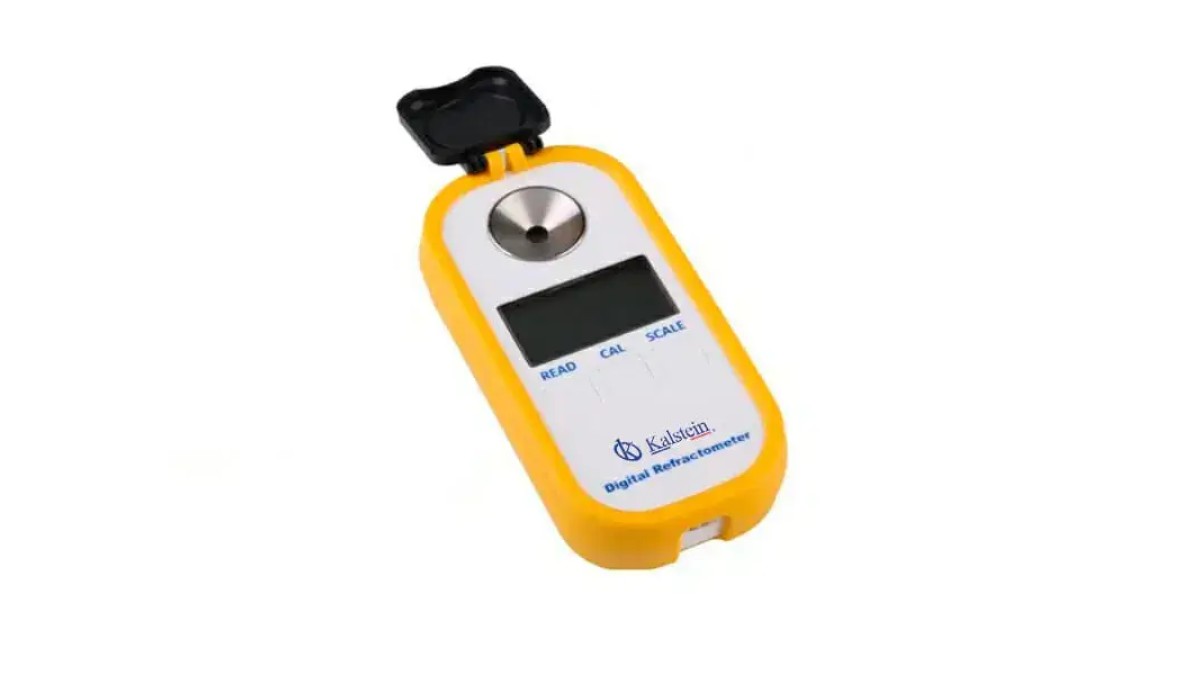
The Digital BRIX Refractometer is a crucial tool in various laboratory settings, especially in food and beverage industries. It measures the concentration of soluble solids, primarily sugars, in aqueous solutions. This technology allows for precise monitoring of sugar content in juices, syrups, and other sweetened beverages, which is vital for ensuring product quality and consistency.
In 2026, these refractometers are used in clinical laboratories to analyze bodily fluids, in research laboratories for experimental setups, and in industrial applications for quality control. Their ability to deliver quick and accurate results enhances productivity and operational efficiency.
History and evolution of the technology
The use of refractometry dates back to the early 19th century, when scientists began to understand the relationship between the refractive index of a liquid and its composition. Initially, these measurements were done manually, requiring extensive training and time.
With advances in technology, digital refractometers emerged in the late 20th century, providing automated readings and enhanced accuracy. The introduction of features like automatic temperature compensation (ATC) further improved their functionality, allowing for reliable measurements across different temperatures. Today, Digital BRIX Refractometers represent the pinnacle of this evolution, offering advanced technologies that cater to a wide range of laboratory needs.
How to use it step by step
Using a Digital BRIX Refractometer involves several straightforward steps:
- Preparation: Ensure the device is clean and calibrated. Use distilled water to verify proper functioning.
- Sample Collection: Collect the sample solution in a clean container. Avoid any contamination from other substances.
- Measurement: Place a few drops of the sample on the prism of the refractometer. Close the cover gently to avoid air bubbles.
- Read the Value: After a few seconds, read the measurement displayed on the screen. Ensure to note the temperature if the ATC feature is not engaged.
- Clean Up: After the measurement, clean the prism with distilled water to prevent residue buildup.
Best techniques and protocols
To achieve the most accurate results using Digital BRIX Refractometers, follow these best practices:
- Always calibrate the refractometer before use, preferably with distilled water or a calibration solution.
- Ensure that the sample is at the correct temperature, as temperature fluctuations can affect readings.
- Regularly clean the prism after each use to maintain accuracy and extend the device's lifespan.
- Utilize the ATC feature whenever available to minimize the effects of temperature changes.
- Document all measurements meticulously for traceability and quality assurance.
Practical applications by laboratory type
Digital BRIX Refractometers find extensive use in various laboratory environments:
- Clinical Laboratories: Used to assess the concentration of sugars in blood and urine samples for diabetes management.
- Food and Beverage Industry: Essential for quality control in the production of beverages, syrups, and sauces, ensuring consistency in sweetness and flavor.
- Research Laboratories: Utilized in studies involving sugar solutions, flavor extraction, and fermentation processes.
- Educational Institutions: Employed in teaching laboratories to help students understand principles of refractometry and solution concentration.
Regulations, standards and certifications
In 2026, the operation of Digital BRIX Refractometers is governed by several quality and safety standards:
- ISO standards for laboratory equipment ensure accuracy and reliability in measurements.
- Good Manufacturing Practices (GMP) dictate the protocols for using refractometers in food production.
- FDA regulations in the United States oversee the use of refractometers in clinical settings to ensure patient safety and data integrity.
Comparison with alternative technologies
When considering measurement techniques, Digital BRIX Refractometers are often compared to hydrometers and traditional refractometers:
- Digital BRIX Refractometers: Provide quick, accurate readings with digital display and ATC capabilities.
- Hydrometers: Require manual interpretation of readings and are less precise for small sample volumes.
- Traditional Refractometers: Often lack digital interfaces and can be limited in temperature range for accurate measurements.
Comparison of available models
| Model | Best for | Key specs | Recommended use case |
|---|---|---|---|
| YR05944 | Measuring sugar concentration up to 50% | Brix: 0.0-50.0% | Ideal for fruit juices and soft drinks |
| YR05945 | Measuring sugar concentration up to 90% | Brix: 0.0-90.0% | Best for syrups and concentrated juices |
| YR05946 | Measuring refractive index for various solutions | Refractive Index: 1.3330-1.5177 | Useful in research laboratories |
| YR05947 | Measuring dextran concentrations | Dextran: 0.0-10.6% | Applicable in biochemistry studies |
| YR05948 | Measuring fructose concentrations | Fructose: 0.0-68.9% | Ideal for food quality control |
| YR05949 | Measuring glucose concentrations | Glucose: 0.0-59.9% | Used in diabetic testing |
| YR05950 | Measuring lactose concentrations | Lactose: 0.0-1.0% | Best for dairy product testing |
Common mistakes and how to avoid them
Laboratory professionals can avoid common pitfalls by adhering to these guidelines:
- Neglecting calibration can lead to inaccurate readings; ensure regular checks are performed.
- Using dirty prisms can obscure results; always clean after each use.
- Ignoring sample temperature can skew results; utilize ATC where available.
- Failing to document readings can cause issues in quality control; maintain a log for all measurements.
Maintenance, calibration and good practices 2026
Proper maintenance is critical for longevity and accuracy:
- Calibrate the refractometer at least once a month with a standard solution.
- Regularly check batteries and power sources to ensure reliability.
- Cleansing the device after every use is essential for preventing residue buildup.
- Store the refractometer in a protective case to avoid physical damage.
Cost-benefit analysis 2026
The investment in a Digital BRIX Refractometer can yield significant returns:
- Cost savings from reduced waste in production through accurate measurements.
- Increased efficiency in laboratory processes due to quick and reliable results.
- Enhanced product quality and consistency, leading to greater customer satisfaction and brand loyalty.
Frequently asked questions
What factors should I consider when choosing a Digital BRIX Refractometer?
Consider the measurement range, temperature compensation features, and the specific applications you will use it for in your laboratory setting.
How often should I calibrate my Digital BRIX Refractometer?
It is recommended to calibrate at least once a month or before critical measurements to ensure accuracy.
Can I use the refractometer for non-food samples?
Yes, Digital BRIX Refractometers can be used for various solutions, including clinical samples, as long as they are within the measurement range.
What is the importance of automatic temperature compensation (ATC)?
ATC allows the refractometer to adjust measurements based on the current temperature, ensuring accurate readings regardless of environmental conditions.
How do I clean and maintain my refractometer?
Clean the prism with distilled water after each use, avoid abrasive cleaners, and store it in a protective case.
What are the common applications of Digital BRIX Refractometers?
Common applications include measuring sugar concentrations in beverages, quality control in food production, and clinical testing for diabetes management.
Where can I request a quote for a Digital BRIX Refractometer?
You can request a quote through our website, where we offer a range of options tailored to your laboratory needs.
If you are looking for a fusion of innovation and quality, you have come to the right place. At Kalstein, we offer you the luxury of exploring our exclusive catalog of laboratory equipment. We manufacture every device to the highest standards of excellence. Our intuitive and seamless online purchasing channels are designed for your convenience, securing the most competitive prices. Hesitate no longer — we bring science to life, it is time to become part of our community.