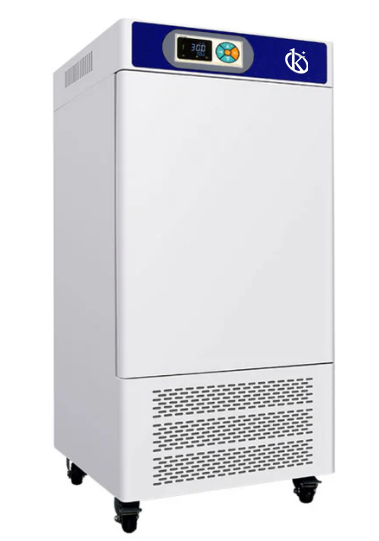
Constant Temperature and Humidity Incubators: A Practical Guide for 2026
What is it used for in 2026
Constant Temperature and Humidity Incubators are essential in various laboratory settings, where maintaining stable environmental conditions is crucial for experiments and processes. In 2026, these incubators are widely used in fields such as environmental protection, medicine, drug testing, epidemic prevention, animal husbandry, aquaculture, and various scientific research. Their ability to maintain precise temperature and humidity levels makes them invaluable in biological engineering and water analysis.
History and evolution of the technology
The evolution of incubation technology has seen remarkable advancements over the years. Initially, incubators relied on basic heating elements without precise control over humidity. However, with the integration of electronic controls and sensors, modern incubators like the Constant Temperature and Humidity models have emerged. These devices now incorporate features like automatic defrost, dual door designs, and stainless steel interiors, significantly improving their reliability and efficiency.
How to use it step by step
Using a Constant Temperature and Humidity Incubator involves several steps:
- **Preparation:** Ensure that the incubator is clean and free of contaminants.
- **Calibration:** Check and calibrate the temperature and humidity settings according to the requirements of your specific application.
- **Loading Samples:** Place your samples in the incubator ensuring adequate spacing for air circulation.
- **Monitoring:** Regularly monitor temperature and humidity levels using the built-in sensors and display.
- **Recording Data:** Document any changes in conditions or any irregularities encountered.
- **Maintenance:** After use, clean the incubator and prepare it for the next cycle.
Best techniques and protocols
When working with Constant Temperature and Humidity Incubators, adopting best practices is critical for successful results. Here are some recommended techniques:
- Utilize high-quality sensors to monitor conditions accurately.
- Perform routine checks and maintenance to prevent equipment failure.
- Maintain a consistent loading density to ensure even air distribution.
- Use humidity buffers to stabilize moisture levels during prolonged incubations.
Practical applications by laboratory type
Here’s a brief overview of how different laboratories utilize Constant Temperature and Humidity Incubators:
- **Clinical Laboratories:** These labs use incubators for culture growth and to maintain biological samples under controlled conditions.
- **Research Facilities:** Research labs utilize these incubators for experiments requiring strict environmental control, such as genetic studies and pathogen research.
- **Pharmaceutical Labs:** Incubators play a crucial role in drug testing and stability studies, ensuring samples remain viable throughout the research process.
Regulations, standards and certifications
Compliance with various regulations and standards is essential for laboratories using Constant Temperature and Humidity Incubators. These may include:
- **ISO 9001:** Standards for quality management systems.
- **ISO 17025:** Requirements for testing and calibration laboratories.
- **GLP (Good Laboratory Practices):** Guidelines to ensure quality and integrity in laboratory studies.
Comparison with alternative technologies
While Constant Temperature and Humidity Incubators are popular, alternative technologies also exist. Here are some comparisons:
- **Refrigerated Incubators:** Offer temperature control for low-temperature environments but may lack humidity control.
- **Standard Incubators:** Generally less expensive but do not provide the precise environmental control that the Constant Temperature and Humidity Incubators offer.
Comparison of available models
| Model | Best for | Key specs | Recommended use case |
|---|---|---|---|
| YR02053 | General laboratory use | Temperature range: 0 ~ 60 ℃, Precision: ± 0.1 ℃ | Ideal for basic biological research and environmental testing. |
| YR02054 | Pharmaceutical applications | Temperature range: 0 ~ 60 ℃, Power: 0.6 kW | Best suited for drug stability testing and microbiological assays. |
| YR02055 | Advanced research | Temperature range: 0 ~ 60 ℃, Power: 0.8 kW | Perfect for complex research requiring stringent environmental control. |
Common mistakes and how to avoid them
While using Constant Temperature and Humidity Incubators, some common mistakes include:
- **Improper Calibration:** Ensure regular calibration of temperature and humidity sensors to avoid inaccurate readings.
- **Overloading:** Avoid overloading the incubator, which can affect airflow and uniformity.
- **Ignoring Maintenance:** Regular cleaning and maintenance are vital for optimal performance.
Maintenance, calibration and good practices 2026
Maintenance is essential for the longevity of your incubator. Recommended practices include:
- Conducting monthly calibrations.
- Performing routine cleaning of the interior and exterior surfaces.
- Checking seals and gaskets for integrity to maintain humidity.
Cost-benefit analysis 2026
Investing in Constant Temperature and Humidity Incubators provides significant benefits such as:
- **Increased Productivity:** Reliable conditions lead to higher success rates and faster results.
- **Versatility:** These incubators can serve multiple applications across different laboratory types.
- **Long-term Savings:** Quality equipment minimizes the risk of sample loss, leading to reduced costs over time.
Frequently asked questions
What should I consider when choosing a Constant Temperature and Humidity Incubator?
Consider factors such as temperature and humidity range, capacity, power consumption, and specific applications in your laboratory.
How can I ensure accurate temperature and humidity readings?
Regular calibration of your incubator's sensors and using high-quality monitoring equipment can help ensure accuracy in readings.
What is the ideal maintenance schedule for these incubators?
A monthly maintenance schedule including calibration, cleaning, and inspection of seals is ideal for keeping your incubator in optimal condition.
Can I use these incubators for all types of biological samples?
Yes, Constant Temperature and Humidity Incubators are versatile and can be used for a wide range of biological samples, including cultures, tissue samples, and pharmaceuticals.
What are the consequences of improper loading of samples?
Improper loading can lead to uneven temperature and humidity levels, risking sample integrity and experiment outcomes.
How do I know when to replace my incubator?
Signs that your incubator may need replacement include frequent malfunctions, inability to maintain set conditions, or outdated technology.
Where can I learn more about these incubators?
To gain more insight, you can reach out for detailed specifications and guidance to help in your selection process.
If you are looking for a fusion of innovation and quality, you have come to the right place. At Kalstein, we offer you the luxury of exploring our exclusive catalog of laboratory equipment. We manufacture every device to the highest standards of excellence. Our intuitive and seamless online purchasing channels are designed for your convenience, securing the most competitive prices. Hesitate no longer — we bring science to life, it is time to become part of our community.