Constant Temperature and Humidity Chambers: Best Techniques and Protocols 2026
What is it used for in 2026
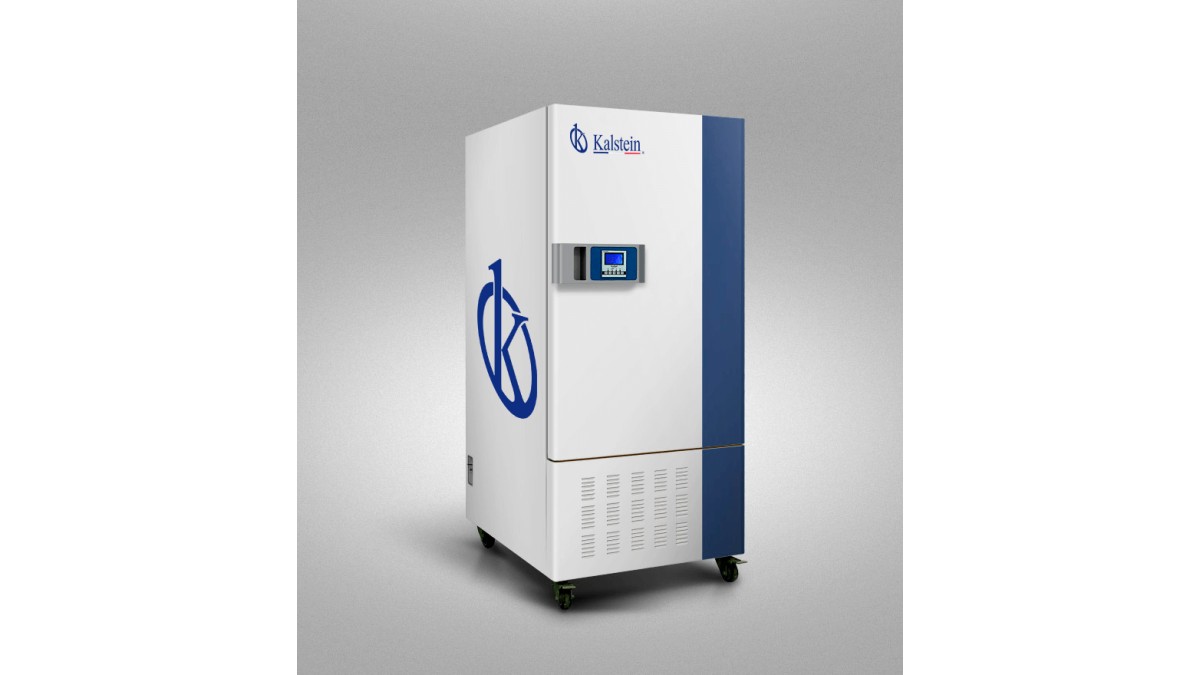
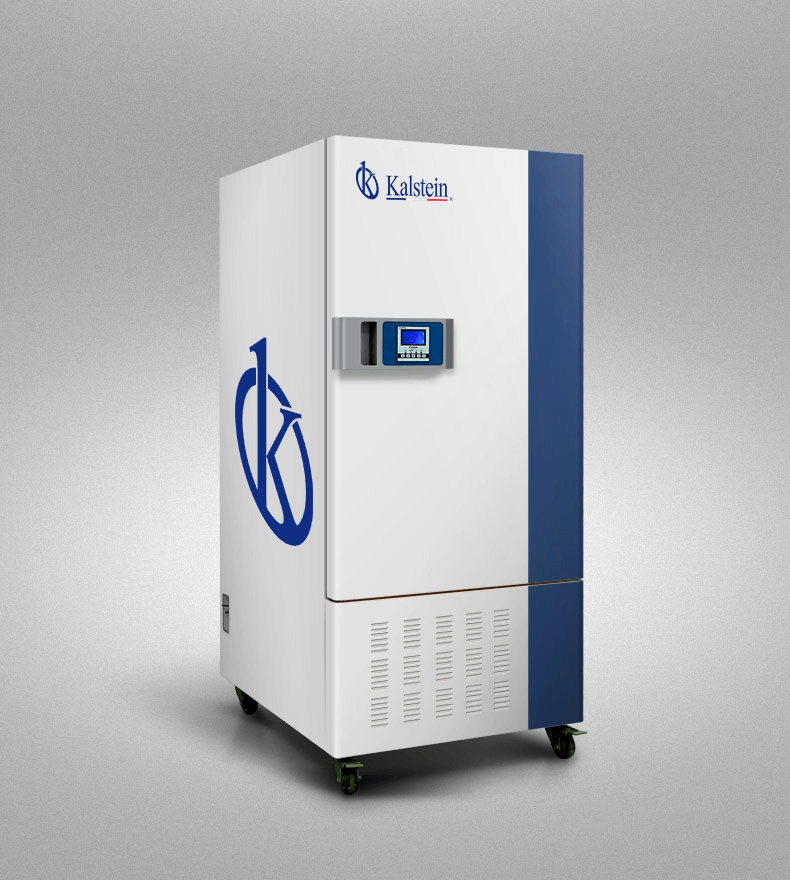
Constant temperature and humidity chambers are essential tools in laboratories, particularly in the fields of scientific research, pharmaceuticals, and agriculture. In 2026, they are primarily utilized for stimulating various climatic conditions, which supports a wide range of applications including sample testing, shelf-life assessments, long-term experiments, and the cultivation of plants, seeds, and microorganisms. These chambers provide controlled environments that ensure consistency in temperature and humidity, critical for obtaining reliable experimental results. Their use has expanded to diverse industries, from pharmaceutical testing to agricultural research, where they serve to simulate real-world conditions in a controlled setting.
History and evolution of the technology
The technology of constant temperature and humidity chambers has evolved significantly since its inception. Initially, these chambers were rudimentary, relying on simple mechanical systems to regulate temperature and humidity. Over the decades, advancements in control systems, such as programmable PID controls, have vastly improved the precision of these chambers. The integration of advanced sensors and high-efficiency insulation technologies has further enhanced their ability to maintain stable internal conditions, leading to increased reliability and safety. By 2026, the latest models incorporate state-of-the-art LED displays and smart controls, enabling users to monitor and adjust environmental conditions easily, ensuring optimal testing scenarios.
How to use it step by step
Using a constant temperature and humidity chamber involves several essential steps:
- Preparation: Begin by preparing your samples or materials that will be subjected to the controlled conditions.
- Setting the Chamber: Turn on the chamber and set the desired temperature and humidity levels using the control interface.
- Monitoring: Continuously monitor the chamber’s internal conditions through the LED display to ensure they remain stable throughout the test duration.
- Data Collection: Collect data at regular intervals to assess the impact of the controlled conditions on your samples.
- Post-Test Assessment: After the experiment, evaluate the condition of your samples and analyze the data for insights.
Best techniques and protocols
To achieve optimal results when using constant temperature and humidity chambers, follow these best practices:
- Calibrate the chamber regularly to ensure accurate readings.
- Use high-quality sensors to monitor temperature and humidity levels accurately.
- Implement a systematic approach to testing, maintaining consistent sample sizes and test durations.
- Document all settings and results meticulously for future reference.
- Consider environmental factors, such as air circulation within the chamber, which can affect results.
Practical applications by laboratory type
Different laboratory types utilize constant temperature and humidity chambers in unique ways:
- Pharmaceutical Labs: Used for stability testing of drugs under various climatic conditions.
- Research Institutions: Ideal for long-term experiments that require consistent environmental conditions.
- Agricultural Labs: Beneficial for studying plant growth and seed viability under controlled climates.
- Food Industry: Employed to assess the shelf life and quality of food products over time.
Regulations, standards and certifications
Regulatory compliance is crucial for laboratories using constant temperature and humidity chambers. In 2026, manufacturers must adhere to globally recognized standards such as ISO 9001 for quality management and ISO 17025 for testing and calibration laboratories. Moreover, CE certification ensures that the product meets EU safety and health requirements. It is vital for laboratories to stay updated on relevant regulations to ensure their testing methods are compliant.
Comparison with alternative technologies
While constant temperature and humidity chambers are widely used, alternatives such as walk-in climatic chambers and incubators are also available. Walk-in chambers offer larger spaces for bulk testing, while incubators provide more focused control for biological studies. However, constant temperature and humidity chambers remain preferred for their versatility and precision in simulating environmental conditions.
Comparison of available models
| Model | Best for | Key specs | Recommended use case |
|---|---|---|---|
| YR05334 | Long-term experiments | Temperature: 0~60℃, Humidity: 40~95% | Sample testing and plant cultivation |
| YR05335 | Pharmaceutical testing | Temperature: 0~60℃, Humidity: 40~95% | Shelf-life studies |
| YR05336 | Microbial studies | Temperature: 0~60℃, Humidity: 40~95% | Microorganism cultivation |
| YR05337 | Environmental research | Temperature: 0~60℃, Humidity: 40~95% | Longitudinal climate studies |
| YR05338 | Plant growth | Temperature: 0~60℃, Humidity: 40~95% | Seed germination tests |
| YR05339 | Product stability testing | Temperature: 0~60℃, Humidity: 40~95% | Food and drug stability assessments |
Common mistakes and how to avoid them
Laboratories often face challenges when using constant temperature and humidity chambers. Common mistakes include:
- Neglecting Calibration: Regular calibration is essential to ensure devices provide accurate readings.
- Improper Loading: Overloading the chamber can lead to uneven temperature and humidity distribution. Always follow loading guidelines.
- Ignoring Data Logging: Failing to log data can result in missed insights and unreliable results.
Maintenance, calibration and good practices 2026
To maintain the efficiency of constant temperature and humidity chambers, establish a regular maintenance schedule that includes:
- Monthly calibration checks of temperature and humidity sensors.
- Cleaning of internal components to prevent contamination.
- Routine inspections of seals and insulation to ensure integrity.
- Training staff on proper usage protocols to mitigate user errors.
Cost-benefit analysis 2026
Investing in a constant temperature and humidity chamber can be significant; however, the benefits often outweigh the costs. These chambers provide:
- Reliable data from controlled tests, leading to better decision-making.
- Increased efficiency in research and product development.
- Enhanced reproducibility of results, crucial for scientific validity.
In 2026, labs recognize that the accuracy and reliability of these chambers can significantly reduce long-term costs associated with failed experiments or product recalls.
Frequently asked questions
What should I consider when choosing a constant temperature and humidity chamber?
Consider factors such as the required temperature and humidity range, size, and capacity of the chamber, as well as the specific applications for which you will use it.
How often should I calibrate my chamber?
It is recommended to calibrate your chamber at least once a month or before critical experiments to ensure accurate readings.
Can I use the chamber for biological samples?
Yes, constant temperature and humidity chambers are ideal for biological samples, particularly for microbial and plant studies.
What are the key features to look for in a new model?
Look for features such as programmable controls, LED displays, efficient insulation, and strong safety certifications.
How do I ensure even distribution of temperature and humidity?
Follow the manufacturer’s guidelines for loading the chamber and avoid overcrowding to maintain uniform conditions.
What are the common challenges when using these chambers?
Common challenges include calibration issues, uneven temperature distribution, and data logging errors. Regular maintenance and monitoring can mitigate these issues.
How can I request a quote for a chamber?
You can request a quote by contacting the sales team or visiting the dedicated section for quotes on our platform.
If you are looking for a fusion of innovation and quality, you have come to the right place. At Kalstein, we offer you the luxury of exploring our exclusive catalog of laboratory equipment. We manufacture every device to the highest standards of excellence. Our intuitive and seamless online purchasing channels are designed for your convenience, securing the most competitive prices. Hesitate no longer — we bring science to life, it is time to become part of our community.