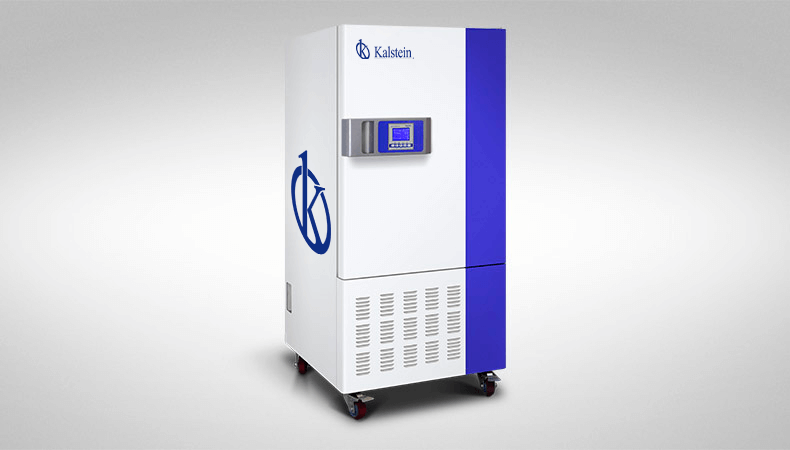
Comprehensive Drug Stability Test Chambers: Best Techniques and Protocols 2026
As the pharmaceutical industry evolves, the demand for rigorous drug stability testing has intensified. Comprehensive Drug Stability Test Chambers have become essential in evaluating the efficacy and safety of medications under various environmental conditions. This article delves into the best practices and techniques for utilizing these chambers effectively in 2026.
What is it used for in 2026
In 2026, Comprehensive Drug Stability Test Chambers are primarily used to determine how drugs behave over time when subjected to controlled temperature, humidity, and light exposure. These chambers facilitate long-term and accelerated stability testing, enabling pharmaceutical companies to assess the integrity of their products during shelf life. They help ensure that medications remain effective and safe throughout their intended shelf life, which is crucial for compliance with regulatory standards.
History and evolution of the technology
The technology behind drug stability testing has undergone significant advancements since its inception. Initially, testing was performed using basic environmental chambers that lacked precise controls. Over the years, the introduction of microprocessor-based controllers, such as the PID system, has improved temperature and humidity accuracy. Today’s Comprehensive Drug Stability Test Chambers, like the models YR05354, YR05355, and YR05356, offer advanced features such as multiple safety systems, automatic defrosting, and highly efficient cooling technology.
How to use it step by step
Using Comprehensive Drug Stability Test Chambers involves several key steps:
- Preparation: Ensure the chamber is clean and calibrated according to the manufacturer’s specifications.
- Load Samples: Place drug samples in appropriate containers and load them into the chamber without overcrowding.
- Set Parameters: Program the desired temperature, humidity, and light conditions on the chamber's control system.
- Monitoring: Regularly check the chamber’s parameters and ensure they remain stable throughout the testing period.
- Data Collection: Collect data at predetermined intervals to evaluate the drug's stability over time.
- Analysis: Analyze the data to determine if the drug meets the required stability standards.
Best techniques and protocols
The following techniques and protocols are recommended for optimal use of Comprehensive Drug Stability Test Chambers in 2026:
- Calibration: Regularly calibrate the chamber to maintain accuracy in temperature and humidity readings.
- Replicate Tests: Conduct multiple tests with replicates to ensure data reliability.
- Environmental Controls: Maintain consistent environmental conditions to avoid fluctuations that can affect results.
- Documentation: Keep detailed records of all testing parameters and results for compliance and review purposes.
Practical applications by laboratory type
Different laboratory types utilize Comprehensive Drug Stability Test Chambers for various applications:
- Pharmaceutical Laboratories: Used for final product testing before market release to ensure stability over time.
- Research and Development Laboratories: Employed to study the effects of environmental conditions on new drug formulations.
- Quality Control Laboratories: Essential for ongoing monitoring of drug stability throughout the product lifecycle.
Regulations, standards and certifications
Compliance with industry regulations and standards is crucial in drug stability testing. The following regulatory bodies and standards govern the use of Comprehensive Drug Stability Test Chambers:
- FDA: The Food and Drug Administration outlines guidelines for stability testing of pharmaceuticals.
- ICH Guidelines: The International Council for Harmonisation provides specific protocols for stability testing.
- ISO Standards: International Organization for Standardization standards for laboratories ensure quality and reliability.
Comparison with alternative technologies
While Comprehensive Drug Stability Test Chambers are essential, it’s important to compare them with alternative technologies such as:
- Incubators: Typically used for biological samples rather than pharmaceuticals.
- Refrigeration Units: Not specifically designed for stability testing and lack controlled humidity and light exposure.
- Environmental Chambers: More general-purpose but may not provide the specific conditions required for drug stability testing.
Comparison of available models
| Model | Best for | Key specs | Recommended use case |
|---|---|---|---|
| YR05354 | Stability testing of new pharmaceuticals | Temperature range: 10~65 ℃ (with light), 0~60 ℃ (without light); Humidity range: 50~90% RH | Ideal for long-term stability evaluation and accelerated testing. |
| YR05355 | Stability testing under variable conditions | Temperature accuracy: ±0.1℃; Humidity fluctuation: ±3% RH | Recommended for comprehensive drug assessments in variable conditions. |
| YR05356 | High humidity and intense light stability testing | Illumination range: 0~6000LX; Temperature fluctuation: ±0.5℃ | Best suited for testing drugs sensitive to light and moisture. |
Common mistakes and how to avoid them
Laboratories can avoid common pitfalls in drug stability testing by being aware of the following mistakes:
- Inadequate Preparation: Failing to calibrate and clean the chamber before use can lead to inaccurate results.
- Overloading Samples: Crowding the chamber can cause uneven distribution of temperature and humidity.
- Neglecting Documentation: Not keeping thorough records can hinder compliance and data analysis.
Maintenance, calibration and good practices 2026
To ensure optimal performance of Comprehensive Drug Stability Test Chambers, follow these maintenance and calibration guidelines:
- Regular Calibration: Perform calibration every six months or as specified by the manufacturer.
- Routine Cleaning: Clean the interior and exterior of the chamber to prevent contamination.
- Check Seals: Regularly inspect door seals to ensure they maintain the required environmental conditions.
Cost-benefit analysis 2026
When considering the investment in Comprehensive Drug Stability Test Chambers, laboratories should conduct a cost-benefit analysis that includes:
- Initial Investment: Evaluate the upfront cost versus the potential compliance benefits.
- Operational Costs: Consider energy efficiency and maintenance expenses.
- Long-term Savings: Assess how reliable stability testing can reduce the risk of product recalls and enhance market readiness.
Frequently asked questions
What are the key features to look for in a drug stability test chamber?
Look for features such as precise temperature and humidity control, illumination settings, and multiple safety mechanisms to ensure reliability and compliance with testing standards.
How often should I calibrate my stability test chamber?
It is recommended to calibrate your chamber every six months or more frequently if required by your specific testing protocols.
What types of drugs require stability testing?
All pharmaceuticals, especially those that are sensitive to temperature, humidity, and light, require stability testing to ensure their safety and efficacy over time.
Can I use a drug stability test chamber for other applications?
While primarily designed for pharmaceuticals, these chambers can be utilized for other temperature and humidity-sensitive materials, but their primary focus should remain on drug testing.
What is the importance of documentation in stability testing?
Documentation is crucial for compliance with regulatory standards and provides a reliable record of testing procedures and results for future reference.
How can I ensure the accuracy of my test results?
To ensure accuracy, maintain proper calibration, avoid overloading the chamber, and follow established protocols strictly during testing.
What should I do if my chamber is not maintaining the correct conditions?
If your chamber is not maintaining the desired conditions, check for issues such as door seals, calibration, and mechanical failures, and consider contacting the manufacturer for service.
For personalized solutions and to request a quote, please reach out to Kalstein Plus.
If you are looking for a fusion of innovation and quality, you have come to the right place. At Kalstein, we offer you the luxury of exploring our exclusive catalog of laboratory equipment. We manufacture every device to the highest standards of excellence. Our intuitive and seamless online purchasing channels are designed for your convenience, securing the most competitive prices. Hesitate no longer — we bring science to life, it is time to become part of our community.