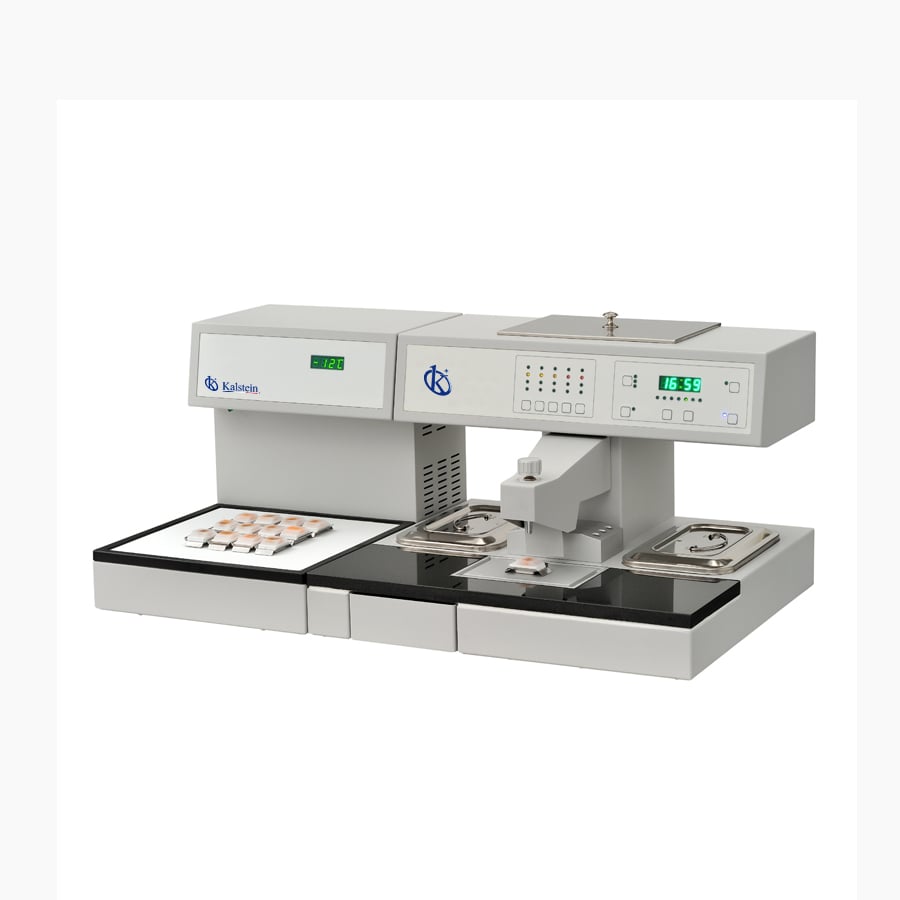
How to Ensure Compliance with ISO/IEC Regulations in Tissue Embedding Systems
In the field of histology and pathology, compliance with ISO/IEC regulations is crucial for ensuring the quality and reliability of laboratory processes. This article aims to provide a comprehensive guide to understanding how tissue embedding systems can meet these standards, particularly focusing on the latest models available in the market. We will explore the specific regulatory requirements imposed by ISO/IEC norms, provide comparative insights into popular tissue embedding systems, and offer practical advice to avoid common pitfalls.
Understanding ISO/IEC Regulations Relevant to Tissue Embedding
The ISO/IEC standards outline essential requirements that laboratory equipment must meet to ensure quality control, safety, and effectiveness. For tissue embedding systems, key regulations include ISO 17025, which focuses on testing and calibration laboratories, and ISO 15189, which pertains to medical laboratories. Compliance with these standards not only enhances the trustworthiness of results but also ensures that equipment like the Tissue Inclusion Center YR441 and YR447 are up to expected operational standards.
How Tissue Embedding Systems Support Regulatory Compliance
Modern tissue embedding systems are designed with features that support compliance with ISO/IEC standards. For instance, the YR441 and YR447 are fully programmable units that allow for automated operations, ensuring consistent temperature control which is crucial for compliance with ISO 17025’s accuracy requirements. Additionally, both models come equipped with user-friendly interfaces for easy operation, contributing to effective training and adherence to laboratory protocols.
Specific ISO/IEC Clauses Addressed by Each Model
Every model of tissue embedding systems addresses various clauses of ISO/IEC regulations. For example, the YR441 maintains a temperature range of 55-70℃ with a precision control of ±1%, which aligns with the calibration requirements set forth in ISO 17025. Similarly, the YR447 extends its operational range to RT-85℃, making it particularly suitable for varying sample types while still adhering to safety and effectiveness standards.
Comparison of Available Models
| Model | ISO/IEC Clauses Covered | Traceability Features | Best For |
|---|---|---|---|
| YR441 | ISO 17025 | Programmable temperature control | Routine histology labs |
| YR447 | ISO 15189 | Integrated temperature sensors | Advanced tissue processing |
| YR439 | ISO 17025 | Automated operational controls | High-throughput environments |
| YR445 | ISO 15189 | Smart monitoring system | General histopathology |
| YR439-1 | ISO 17025 | High-precision temperature measurement | Specialized research labs |
| YR440B | ISO 15189 | Real-time temperature display | Biological specimen storage |
Audit Checklists for Tissue Embedding Systems
To ensure compliance with ISO/IEC regulations, implementing an audit checklist can be beneficial. This checklist should include the following components:
- Verification of calibration status for all temperature sensors.
- Documentation of maintenance logs and service history for each unit.
- Regular training updates for staff handling embedding systems.
- Assessment of operational parameters set against compliance requirements.
Documentation Requirements for Compliance
Effective documentation is essential for meeting ISO/IEC standards. Laboratories must maintain records of all processes related to the use of tissue embedding systems, including:
- Standard Operating Procedures (SOPs) for system operation.
- Calibration certificates for temperature controls.
- Maintenance schedules and logs to track system performance.
- Training records for laboratory personnel.
Common Mistakes and How to Avoid Them
Many laboratories face challenges in achieving compliance with ISO/IEC regulations due to common mistakes. These include:
- Neglecting regular calibration of devices, which can lead to inaccurate results.
- Inadequate staff training on the operational protocols of the equipment.
- Lack of documentation for processes, which can hinder compliance audits.
To avoid these pitfalls, laboratories should establish regular training programs, maintain strict calibration schedules, and ensure comprehensive documentation practices.
Frequently Asked Questions
What are the key ISO standards for tissue embedding systems compliance?
Key ISO standards relevant to tissue embedding systems include ISO 17025 and ISO 15189. These standards ensure that systems like the YR441 and YR447 meet calibration and operational accuracy requirements essential for laboratory settings.
How do YR441 and YR447 models ensure compliance with ISO 17025?
The YR441 and YR447 models ensure compliance with ISO 17025 by providing programmable temperature controls and automated operational features that maintain accuracy and reliability in testing processes.
What documentation is required for ISO compliance in histology labs?
Documentation for ISO compliance in histology labs includes calibration certificates, maintenance logs, and Standard Operating Procedures (SOPs). These records are critical for equipment like the YR445 to demonstrate adherence to regulatory standards.
How often should tissue embedding systems be calibrated for compliance?
Tissue embedding systems should be calibrated regularly, typically at least once a year, to ensure compliance with ISO/IEC standards. This regular calibration is crucial for maintaining the accuracy of models like the YR439.
What common mistakes hinder ISO compliance in laboratories?
Common mistakes that hinder ISO compliance include neglecting calibration schedules and inadequate staff training. Laboratories using systems like the YR447 must prioritize these areas to ensure regulatory adherence.
Which model is best for high-throughput tissue embedding?
The YR439 model is best suited for high-throughput tissue embedding processes due to its automated controls and ergonomic design, enabling efficient sample processing within compliance standards.
How can laboratories improve compliance with ISO/IEC standards?
Laboratories can improve compliance with ISO/IEC standards by implementing regular training programs, maintaining accurate documentation, and conducting frequent audits of their tissue embedding systems, such as the YR441.
What features should be prioritized in tissue embedding systems for compliance?
Features such as programmable temperature control, automated operational protocols, and effective documentation capabilities should be prioritized in tissue embedding systems to ensure compliance with ISO 17025 and ISO 15189.
If you are looking for a fusion of innovation and quality, you have come to the right place. At Kalstein, we offer you the luxury of exploring our exclusive catalog of laboratory equipment. We manufacture every device to the highest standards of excellence. Our intuitive and seamless online purchasing channels are designed for your convenience, securing the most competitive prices. Hesitate no longer — we bring science to life, it is time to become part of our community.