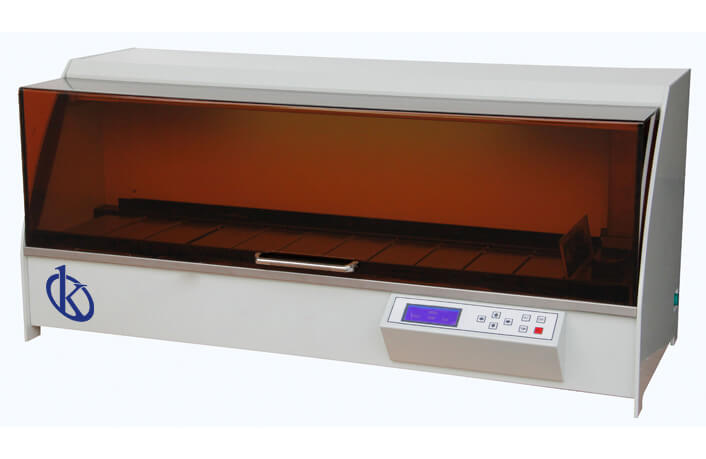
How to Ensure Compliance with ISO/IEC Norms in Tissue Processing Laboratories
In laboratory settings, ensuring compliance with ISO/IEC norms is essential for quality assurance, data reliability, and operational efficiency. As the regulations evolve, laboratories, especially those specializing in pathological anatomy, must adapt their procedures to remain compliant. This article delves into the significance of ISO/IEC regulations, particularly focusing on automated fabric processors, a vital component in tissue processing. We will examine how these devices aid in achieving compliance while enhancing laboratory operations.
Understanding ISO/IEC Norms Relevant to Tissue Processing
ISO/IEC standards provide a framework for laboratories to ensure consistent quality and safety in operations. In the context of tissue processing, standards like ISO 17025, which pertains to testing and calibration laboratories, and ISO 15189, focusing on medical laboratories, are particularly relevant. These standards cover aspects such as management requirements, technical requirements, and performance evaluation, which directly impact the quality of processed tissue samples.
Why Compliance is Crucial for Tissue Processors
Compliance with ISO/IEC norms not only guarantees the reliability of results but also enhances the credibility of laboratories. Non-compliance can lead to inaccurate results, which may have serious implications for patient care and research. By utilizing automated fabric processors that meet these standards, laboratories can minimize risks associated with manual handling and improve operational efficiencies.
Key ISO/IEC Standards for Tissue Processing
ISO 17025: General Requirements for the Competence of Testing and Calibration Laboratories
This standard outlines the criteria for laboratory management systems, ensuring reliability in testing results. Automated fabric processors like the YR431-1 and YR428 support compliance by providing precise temperature control and processing times, critical for accurate histological outcomes.
ISO 15189: Requirements for Quality and Competence in Medical Laboratories
ISO 15189 emphasizes the need for quality management systems in medical laboratories. Utilizing models like YR429 enhances sample handling and processing capabilities, ensuring that labs adhere to these stringent quality requirements.
Comparison of Available Models
| Model | ISO/IEC Clauses Covered | Traceability Features | Best For |
|---|---|---|---|
| YR431-1 | ISO 17025, ISO 15189 | Integrated logging system | High-throughput labs |
| YR436-2 | ISO 17025 | Manual traceability logs | Small laboratories |
| YR427 | ISO 15189 | Limited traceability | Cost-sensitive settings |
| YR428 | ISO 17025 | Automated data logging | Small labs |
| YR429 | ISO 15189 | Integrated traceability | Medium labs |
Common Mistakes and How to Avoid Them
One common mistake laboratories make is underestimating the importance of documentation in compliance. Effective traceability and management of protocols are essential. Ensuring that all automated fabric processors, such as the YR431-1 and YR429, are equipped with reliable logging and data management systems can help mitigate this risk. Regular audits and training sessions can also enhance compliance efforts.
Improving Laboratory Efficiency Through Compliance
Achieving compliance with ISO/IEC standards positively impacts laboratory efficiency. Automated fabric processors streamline processes, reduce manual errors, and improve sample turnaround times. For example, the YR431-1 model allows for extensive processing capabilities with its 12 cup stations, enabling laboratories to handle multiple samples efficiently.
Cost-Benefit Analysis of Compliant Tissue Processors
Investing in compliant tissue processors may seem daunting; however, understanding the long-term cost benefits is crucial. The return on investment (ROI) can be significant, with models like YR428 offering efficient processing at competitive prices. Analyzing CAPEX against potential savings in compliance failures can help justify the initial investment.
Frequently Asked Questions
How can I ensure my tissue processor meets ISO 17025 requirements?
To ensure compliance with ISO 17025, it is crucial to use models like YR431-1, which have integrated logging systems and precise temperature controls, essential for reliable testing and calibration.
Which features of the YR429 enhance compliance with ISO 15189?
The YR429 offers advanced traceability features, including integrated data logging, which are critical for maintaining compliance with ISO 15189 standards in medical laboratories.
What are the main costs involved in maintaining ISO compliance for tissue processors?
Main costs include purchasing compliant equipment like the YR431-1, regular maintenance, and training personnel to adhere to ISO standards, which ensures quality and operational excellence.
How does the YR428 support regulatory compliance in tissue processing?
The YR428 supports regulatory compliance through its automated data logging and user-friendly interface, making it easier to adhere to ISO/IEC standards for quality management.
What is the importance of traceability in tissue processing laboratories?
Traceability is vital for compliance with ISO standards, ensuring that all samples processed, particularly with models like YR431-1, can be accurately tracked throughout the laboratory workflow.
Which tissue processor is best for small laboratories needing ISO compliance?
The YR427 model is an affordable option for small laboratories that require compliance with ISO 15189 while minimizing operational costs and maximizing space efficiency.
How does automation in tissue processors improve compliance with standards?
Automation, as seen in models like YR428, reduces manual handling errors, ensures consistent processing conditions, and helps maintain compliance with ISO/IEC norms effectively.
What are the auditing requirements for ISO/IEC compliance in tissue processing?
Auditing requirements often include regular reviews of operational procedures, documentation, and equipment calibration, ensuring that models like YR431-1 meet the necessary ISO/IEC standards for quality management.
If you are looking for a fusion of innovation and quality, you have come to the right place. At Kalstein, we offer you the luxury of exploring our exclusive catalog of laboratory equipment. We manufacture every device to the highest standards of excellence. Our intuitive and seamless online purchasing channels are designed for your convenience, securing the most competitive prices. Hesitate no longer — we bring science to life, it is time to become part of our community.