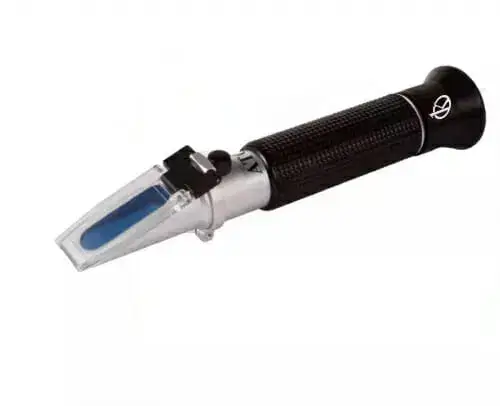
Comparative Analysis of Wine Refractometers: Choosing the Right Model for Your Needs
As laboratory professionals, understanding the tools available for wine analysis is crucial. Wine refractometers are essential instruments that allow for the quick and accurate measurement of sugar content and alcohol levels in wine. This article provides a detailed comparative analysis of various models of wine refractometers, focusing on their features and applications, as well as how they compare to alternative technologies in the market.
Understanding Wine Refractometers and Their Applications
Wine refractometers are specialized optical devices designed for the wine industry. They measure the refractive index of a liquid, which correlates to sugar content (Brix) and alcohol concentration. These measurements are vital in winemaking, as they help determine the best time for harvest and monitor fermentation processes. Accurate readings can significantly impact the quality and characteristics of the wine produced.
Comparison of Available Models
| Model Code | Measurement Range | Minimum Division | Accuracy | Automatic Temperature Compensation (ATC) | Best Use Case |
|---|---|---|---|---|---|
| YR05931 | 0-80% v/v Alcohol | 1% v/v | ±1% v/v | No | Quick alcohol measurement in high-temperature environments |
| YR05932 | 0-25% Vol, 0-40% Brix | 0.2% Vol, 0.2% Brix | ±0.2% Vol, ±0.2% Brix | Yes (10-30°C) | Standard wine analysis for sugar and alcohol content |
| YR05933 | 0-25% Vol, 0-170° Oe | 0.2% Vol, 1° Oe | ±0.2% Vol, ±1° Oe | Yes (10-30°C) | Versatile use for various wine types and conditions |
| YR05934 | 0-20% Baume, 0-25% Vol, 0-40% Brix | 0.2% Baume, 0.2% Vol | ±0.2% Baume, ±0.2% Vol | Yes (10-30°C) | Ideal for detailed wine quality assessments |
| YR05935 | 0-25% Vol, 0-40% Brix | 0.2% Vol, 0.2% Brix | ±0.2% Vol, ±0.2% Brix | Yes (10-30°C) | Best for mixed wine types |
| YR05936 | 0-80% v/v Alcohol | 1% v/v | ±1% v/v | No | Quick measurements in varying conditions |
Common Mistakes and How to Avoid Them
Laboratory professionals can often encounter pitfalls when using wine refractometers. One common mistake is neglecting the effects of temperature on readings. Not using models equipped with automatic temperature compensation, such as the YR05932 and YR05934, can lead to inaccurate data. Additionally, assuming that all refractometers are suitable for every type of wine can result in mismatched analyses. Selecting the appropriate model based on specific needs is crucial for reliable outcomes.
Advantages of Using Wine Refractometers Over Alternative Technologies
Wine refractometers offer several advantages over alternative technologies like hydrometers or digital alcohol meters. They provide faster results, require less sample volume, and are often more portable, making them ideal for field testing. While hydrometers can be affected by temperature and require calibration, refractometers with automatic temperature compensation ensure accurate readings regardless of environmental conditions. This capability is particularly advantageous in scenarios where quick decisions are necessary, such as during the fermentation process.
Specific Features to Consider When Choosing a Wine Refractometer
When selecting a wine refractometer, consider features such as measurement range, accuracy, and temperature compensation. For instance, the YR05932 model boasts a dual scale and is particularly useful in environments where both sugar and alcohol levels need to be monitored. Furthermore, the material and build of the device can influence its durability and ease of use in various laboratory settings. Models made from high-quality aluminum, like the YR05931 and YR05934, provide a robust option for frequent use.
Integration of Wine Refractometers in Laboratory Workflows
Integrating wine refractometers into laboratory workflows can enhance efficiency and data accuracy. These devices can often be used alongside other laboratory technologies, such as chromatography or mass spectrometry, for comprehensive analysis. By establishing standardized protocols for their use, laboratories can ensure consistency in results, optimize resource usage, and enable better training for staff on equipment handling. Proper training minimizes user error, which is vital for maintaining high-quality standards in wine analysis.
Future Trends in Wine Refractometry
The future of wine refractometry is expected to include advancements in digital technology, which could improve accuracy and connectivity. Emerging models may incorporate data logging features and wireless connectivity to allow for easier data management and integration with laboratory information management systems (LIMS). Additionally, the development of smart refractometers that can self-calibrate and provide analytics in real-time is anticipated to further streamline the monitoring of wine production processes.
Frequently Asked Questions
How do I choose the best wine refractometer for my laboratory needs?
When selecting a wine refractometer, focus on the measurement range and accuracy levels. Models like YR05932 are ideal for standard wine analysis due to their dual scales and ATC features. Consider your specific requirements, such as temperature variations and the types of wine analyzed, to make an informed choice.
Which wine refractometer model offers the best accuracy for sugar measurements?
The YR05934 model provides excellent accuracy for sugar measurements, with a precision of ±0.2% for both Baume and Vol. This model is particularly suitable for detailed assessments, ensuring quality control in winemaking.
What are the typical applications for wine refractometers in the industry?
Wine refractometers are commonly used for measuring sugar content, alcohol levels, and determining the optimal harvest time. Models like YR05933 are versatile enough to handle various wine types, making them ideal for both small wineries and large-scale production.
How can I improve the accuracy of my wine refractometer readings?
To enhance accuracy, ensure that you use a refractometer with automatic temperature compensation, such as the YR05932. Regular calibration and cleaning of the device also play a crucial role in maintaining precise readings.
What is the cost-effectiveness of using wine refractometers over hydrometers?
Wine refractometers like the YR05932 offer greater efficiency by providing quick results and requiring less sample volume, making them more cost-effective in high-demand environments. Their portability and ease of use also reduce operational costs compared to traditional hydrometers.
How do wine refractometers compare to digital alcohol meters?
Wine refractometers provide faster results and can analyze multiple parameters simultaneously, unlike many digital alcohol meters which often focus solely on alcohol content. Models like YR05931 are designed for quick assessments, making them ideal for dynamic testing environments.
What maintenance is required for wine refractometers to ensure longevity?
To maintain wine refractometers, regular cleaning of the prism and housing is essential. It is also important to store them in a protective case to prevent damage. Following the manufacturer's guidelines, such as those for the YR05934, will help ensure long-lasting performance.
Where can I find a reliable supplier for wine refractometers?
Reliable suppliers for wine refractometers can be found through specialized laboratory equipment distributors. Kalstein offers a range of models, including the YR05932 and YR05934, known for their high quality and performance in wine analysis.
If you are looking for a fusion of innovation and quality, you have come to the right place. At Kalstein, we offer you the luxury of exploring our exclusive catalog of laboratory equipment. We manufacture every device to the highest standards of excellence. Our intuitive and seamless online purchasing channels are designed for your convenience, securing the most competitive prices. Hesitate no longer — we bring science to life, it is time to become part of our community.