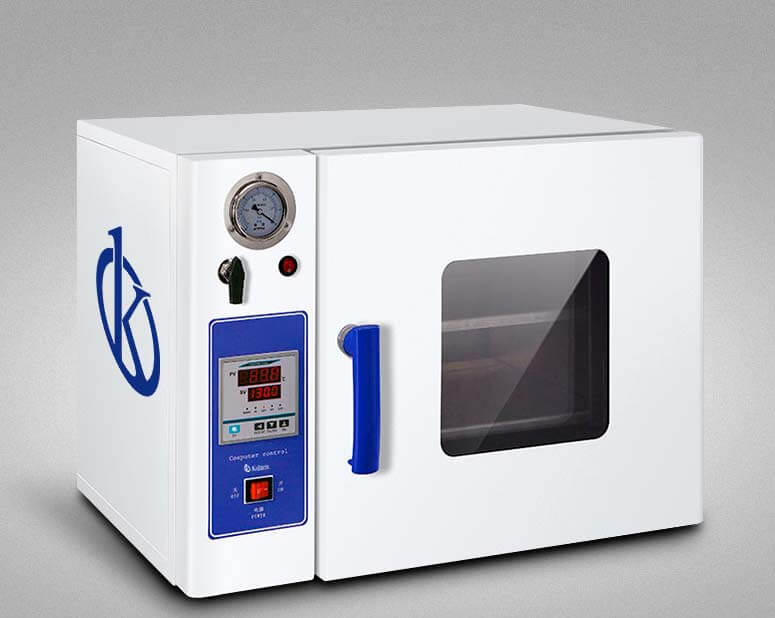
Comparative Analysis of Vacuum Ovens: Evaluating Key Models and Technologies
In the realm of laboratory equipment, vacuum ovens represent a critical technology for processes requiring precise control over temperature and moisture removal. They are extensively utilized in fields ranging from biochemistry to pharmaceuticals. This article delves into a detailed comparative analysis of several vacuum oven models, focusing on their operational capabilities, efficiency, and suitability for various applications.
Understanding Vacuum Ovens and Their Applications
Vacuum ovens provide a controlled environment, allowing for efficient drying processes without exposing sensitive samples to high temperatures. Applications include the drying and sterilization of various materials in laboratories, where heat-sensitive compounds are prevalent. This equipment's ability to maintain lower temperatures while removing moisture makes it indispensable for researchers and laboratory professionals.
Comparison of Available Models
| Model | Temperature Range (°C) | Power (KW) | Internal Size (mm) | Price (USD) | Best for |
|---|---|---|---|---|---|
| YR05260-A | RT + 5 ~ 250 | 0.9 | 28 x 30 x 30 | 330.00 | Drying heat-sensitive materials |
| YR05261-A | RT + 5 ~ 250 | 0.9 | 28 x 30 x 30 | 460.00 | Complex materials |
| YR05262-SS | RT + 5 ~ 250 | 1.4 | 40 x 41.5 x 35 | 400.00 | Environmental protection research |
| YR05263-SS | RT + 5 ~ 250 | 1.4 | 40 x 41.5 x 35 | 590.00 | Pharmaceutical applications |
| YR05264-A | RT + 5 ~ 250 | 0.9 | 44 x 48.5 x 42.5 | 690.00 | Research in health care |
| YR05265-SS | RT + 5 ~ 250 | 1.4 | 44 x 48.5 x 42.5 | 845.00 | Agricultural research |
Key Technologies in Vacuum Ovens
When evaluating vacuum ovens, it is crucial to consider the underlying technologies that enhance their performance. Key features include:
- Vacuum Generation: The efficiency of the vacuum system impacts the rate at which moisture is removed.
- Temperature Control: Models often provide precise temperature regulation, crucial for sensitive applications.
- Material Construction: Stainless steel components offer better resistance to corrosion and increased durability.
Performance Metrics of Vacuum Ovens
Performance metrics such as drying time, energy efficiency, and temperature stability are paramount when selecting a vacuum oven. A comparative analysis reveals that models with advanced temperature controls, such as the YR05262-SS, provide superior performance for delicate materials.
Common Mistakes and How to Avoid Them
Laboratory professionals often encounter pitfalls when selecting vacuum ovens. Common mistakes include:
- Not accounting for the size of materials being processed—always verify the internal dimensions.
- Overlooking energy consumption—consider models that provide detailed energy metrics to optimize laboratory costs.
- Ignoring maintenance requirements—select models with accessible components for easier upkeep.
Operational Efficiency: Maximizing Your Vacuum Oven's Potential
To enhance operational efficiency, consider the following strategies:
- Regular calibration to maintain accuracy and performance, particularly with models like YR05261-A that are sensitive to temperature fluctuations.
- Grouping similar materials for drying to optimize run time and energy usage.
- Utilizing programmable settings available in advanced models for automated processes.
Frequently Asked Questions
What is the ideal vacuum oven model for drying heat-sensitive materials?
The YR05260-A model is particularly well-suited for drying heat-sensitive materials due to its precise temperature control, operating in the range of RT + 5 ~ 250°C, making it effective for delicate applications.
Which vacuum oven provides the best energy efficiency for laboratory use?
The YR05262-SS model offers commendable energy efficiency with a power rating of 1.4 KW, suitable for laboratories aiming to reduce their operational costs while maintaining performance.
How to choose a vacuum oven based on laboratory applications?
Choosing a vacuum oven like the YR05263-SS depends on the specific laboratory applications, such as its effective use in pharmaceuticals, where precise temperature and vacuum conditions are essential.
What are the maintenance requirements for vacuum ovens?
Maintenance for vacuum ovens, particularly models such as YR05261-A, involves regular cleaning of the internal chamber and ensuring that seals are intact to maintain vacuum integrity and performance.
How does a vacuum oven compare to a conventional oven in laboratory settings?
Vacuum ovens, like the YR05264-A, operate at lower temperatures compared to conventional ovens, allowing for the drying of heat-sensitive materials without degradation, which is essential in laboratory environments.
Which vacuum oven model is best for agricultural research applications?
The YR05265-SS model is ideal for agricultural research applications due to its robust construction and efficiency, ensuring reliable drying processes for various samples.
What energy savings can be expected from modern vacuum oven technologies?
Modern vacuum ovens like the YR05262-SS can lead to significant energy savings through optimized drying processes, reducing overall energy consumption while maintaining high performance.
How do I determine the appropriate size vacuum oven for my laboratory?
To determine the right size, assess the internal dimensions of models like YR05260-A and YR05264-A to ensure they accommodate the materials you regularly process.
If you are looking for a fusion of innovation and quality, you have come to the right place. At Kalstein, we offer you the luxury of exploring our exclusive catalog of laboratory equipment. We manufacture every device to the highest standards of excellence. Our intuitive and seamless online purchasing channels are designed for your convenience, securing the most competitive prices. Hesitate no longer — we bring science to life, it is time to become part of our community.