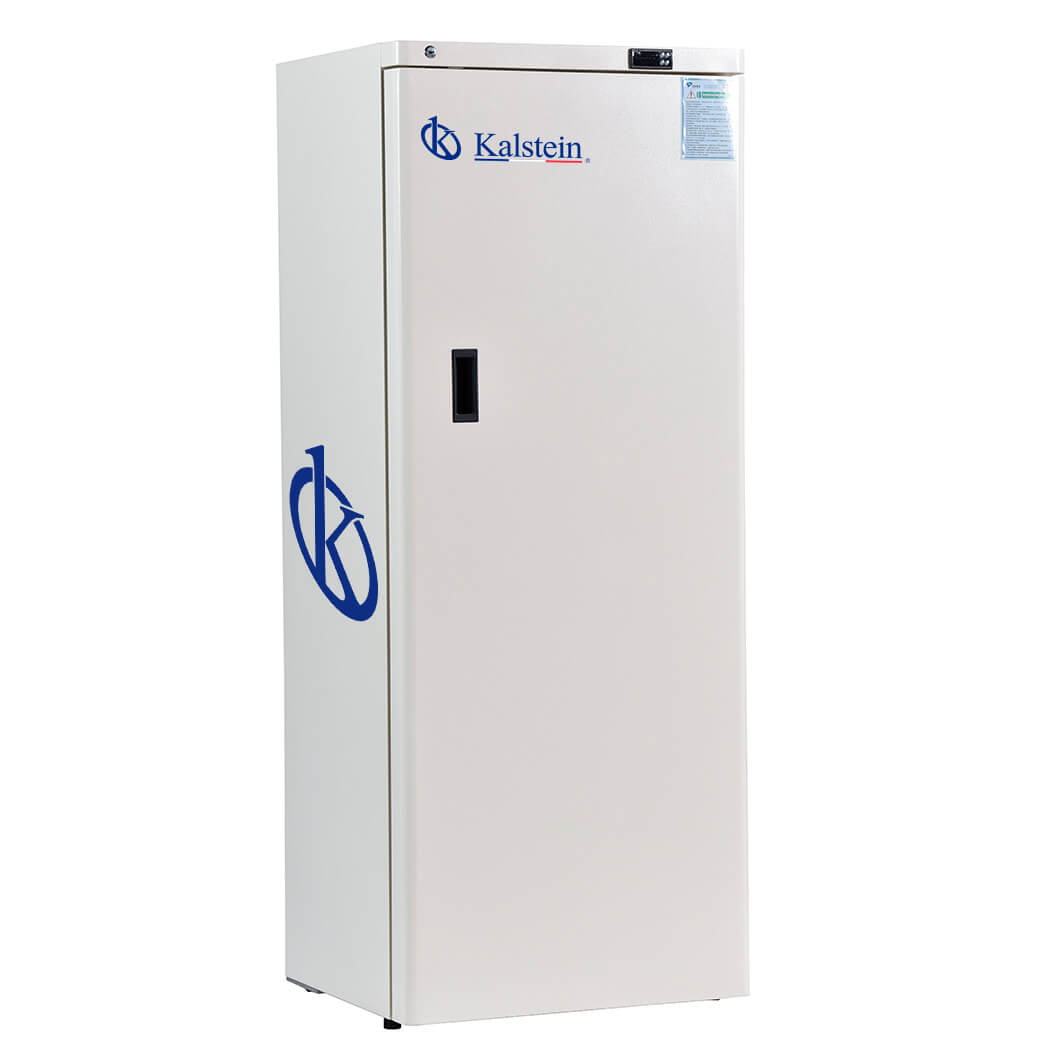
Comparative Analysis of Upright Freezers: Choosing the Right Model for Your Laboratory Needs
Upright freezers play a crucial role in laboratories, offering precise temperature control and efficient storage of biological samples. In this comparative analysis, we evaluate various models of upright freezers, focusing on technology, efficiency, and specific applications within the laboratory environment. Understanding the features and functionalities of different models is essential for choosing the right freezer for your laboratory needs.
Understanding the Importance of Upright Freezers in Laboratories
Upright freezers are essential for preserving sensitive biological materials, such as vaccines, enzymes, and samples that require long-term storage at low temperatures. These freezers provide organized storage, easy access, and advanced cooling technologies that ensure temperature stability. Additionally, understanding the specific requirements of your laboratory can help you choose the most suitable upright freezer model.
Comparative Overview of Key Technologies in Upright Freezers
Today's upright freezers utilize various technologies that enhance their performance and reliability. Key technologies include microprocessor controls, different cooling methods (such as direct cooling), and insulation materials that ensure temperature stability. Knowing how these technologies work can assist laboratory professionals in selecting a model that best fits their needs.
Microprocessor Control Systems
Microprocessor control systems in upright freezers allow for precise temperature adjustments and monitoring. Models like the YR05097 utilize these controls to maintain a temperature range from -10°C to -25°C, ensuring optimal conditions for sensitive samples.
Cooling Methods and Their Implications
Freezers may operate on direct cooling systems, which are typically seen in laboratory models like the YR05296. This system efficiently cools the interior space, making it suitable for long-term storage of biological materials while minimizing energy consumption.
Comparison of Available Models
| Model | Temperature Range (°C) | Cooling Method | Capacity (L) | Price (USD) |
|---|---|---|---|---|
| YR05097 | -10 to -25 | Direct | 328 | 588.00 |
| YR05297 | -40 to -86 | Direct | 338 | 3110.00 |
| YR05296 | -40 to -86 | Self-Cascade | 340 | 2480.00 |
| YR05295 | -10 to -25 | Direct | 936 | 3400.00 |
| YR05294 | -10 to -25 | Direct | 328 | 1030.00 |
| YR05293 | -10 to -25 | Direct | 268 | 840.00 |
Common Mistakes and How to Avoid Them
When selecting an upright freezer, laboratory professionals may make several common mistakes, including overlooking energy efficiency, not considering specific storage needs, and failing to evaluate the maintenance requirements of different models. Understanding the operational features and requirements of each model can significantly enhance decision-making.
Energy Efficiency and Sustainability Considerations
Energy efficiency is a vital factor when selecting an upright freezer. Models such as the YR05297 utilize advanced insulation technologies, which help reduce energy consumption while maintaining optimal temperatures. Choosing energy-efficient freezers not only lowers operational costs but also supports sustainability initiatives within the laboratory environment.
Applications of Upright Freezers in Different Laboratory Settings
Upright freezers serve various applications across research laboratories, hospitals, and biobanks. Each model offers distinct advantages based on its temperature range and capacity. For instance, the YR05295, with its large capacity of 936 liters, is ideal for biobank storage, while the YR05296 is well-suited for laboratories requiring ultra-low temperature storage for sensitive biological samples.
Storage of Biological Samples
Upright freezers, such as the YR05294, are specifically designed for the safe storage of biological samples like blood plasma and vaccines. The microprocessor control in these models ensures reliability and security for the preservation of valuable materials.
Laboratory Use Cases
The YR05293 model, with an adjustable temperature range from -10°C to -25°C, is widely used in hospitals for storing medical samples that require careful temperature control. Its various alarm systems enhance safety and usability in laboratory settings.
Frequently Asked Questions
What is the best upright freezer model for storing biological samples safely?
The YR05294 is an excellent choice for storing biological samples, as it is designed specifically for this purpose. With a temperature range of -10 to -25°C, this upright freezer provides a stable environment for sensitive materials like blood plasma and vaccines.
How does the YR05296 compare to other upright freezers for ultra-low temperature applications?
The YR05296 stands out with its self-cascade system and a temperature range of -40 to -86°C, making it ideal for long-term storage of sensitive biological samples compared to models like the YR05297, which also offers similar ultra-low temperatures.
Which upright freezer has the largest capacity for laboratory use?
The YR05295 boasts a substantial capacity of 936 liters, making it the best model for laboratories needing extensive storage for biological samples. Its temperature range of -10 to -25°C is suitable for various laboratory applications.
What features should I consider when selecting an upright freezer for a biobank?
When choosing an upright freezer for a biobank, consider factors such as temperature stability, capacity, and energy efficiency. The YR05297 is a strong candidate, offering ultra-low temperatures and advanced monitoring systems.
How does the energy consumption of upright freezers impact operating costs?
Energy-efficient upright freezers, like the YR05297, can significantly reduce operating costs. By minimizing energy consumption, laboratories can achieve substantial cost savings while maintaining optimal storage conditions for sensitive samples.
What maintenance practices are essential for ensuring the longevity of an upright freezer?
Regular maintenance practices, such as cleaning the condenser and monitoring temperature settings, are critical for prolonging the lifespan of upright freezers. Models like the YR05293 are designed with user-friendly features that facilitate maintenance and ensure proper functioning.
What is the average lifespan of an upright freezer used in a laboratory setting?
The average lifespan of an upright freezer in a laboratory setting can range from 10 to 15 years, depending on the model and maintenance practices. Properly maintaining models like the YR05296 can help maximize their operational lifespan.
How do alarm systems improve the safety of upright freezers?
Alarm systems in upright freezers, such as those in the YR05097, help monitor temperature fluctuations and alert users to potential malfunctions. This feature enhances safety by ensuring that valuable samples are preserved under optimal conditions.
If you are looking for a fusion of innovation and quality, you have come to the right place. At Kalstein, we offer you the luxury of exploring our exclusive catalog of laboratory equipment. We manufacture every device to the highest standards of excellence. Our intuitive and seamless online purchasing channels are designed for your convenience, securing the most competitive prices. Hesitate no longer — we bring science to life, it is time to become part of our community.