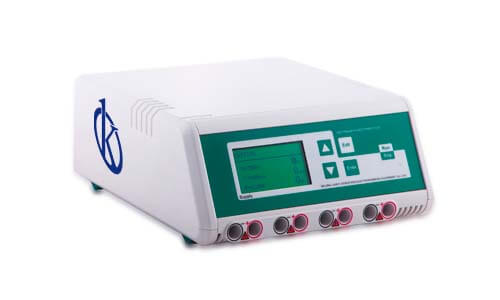
Comparative Analysis of Universal Power Supplies: Evaluating Alternatives
In the realm of laboratory power supply solutions, universal power supplies are pivotal for various applications, from electrochemistry to biological studies. This article delves into a comparative analysis of multiple universal power supplies, focusing on their strengths against alternative technologies in the market. With an emphasis on technical specifications, usability, and functionality, we aim to provide laboratory professionals with comprehensive insights into making informed decisions.
Understanding Universal Power Supplies: Core Functions and Applications
Universal power supplies are designed to deliver a versatile range of electrical outputs, accommodating different laboratory requirements. These devices are crucial for experiments where precise voltage and current are necessary, ensuring optimal performance of various equipment. Users must consider the specific characteristics and performance metrics of each model to select the one that best aligns with their laboratory needs.
Comparison of Available Models
| Model | Output Type | Output Range | Key Features | Best For |
|---|---|---|---|---|
| YR03400-2 | Constant Voltage, Current, Power | 10–600 V, 1–500 mA, 1–300 W | Intelligent dual-core microprocessor, 10 electrophoresis methods | High-current applications |
| YR03396-2 | Constant Voltage, Current, Power | 5–300 V, 1–400 mA, 1–120 W | 100 electrophoresis methods, step control function | Versatile lab setups |
| YR03395-2 | Constant Voltage, Current, Power | 5–200 V, 1–2000 mA, 1–200 W | 100 electrophoresis methods, LCD display | High-current experiments |
| YR03397-2 | Constant Voltage, Current, Power | 5–300 V, 1–1500 mA, 1–450 W | 100 electrophoresis methods, integrated pause control | Flexible applications |
| YR03398-2 | Constant Voltage, Current, Power | 10–600 V, 1–500 mA, 1–300 W | Step control for 10 groups, automatic memory | Advanced studies |
| YR03399-2 | Constant Voltage, Current, Power | 10–600 V, 1–500 mA, 1–300 W | 100 methods, easy touch operation | General laboratory use |
Common Mistakes and How to Avoid Them
Laboratory professionals often encounter pitfalls when selecting universal power supplies. A common mistake is not assessing the required output range effectively, which can result in inadequate performance for specific applications. Additionally, professionals may overlook critical features such as memory functions and user interface simplicity. To avoid these issues, it is essential to thoroughly analyze laboratory requirements and match them with the specifications and functionalities of the power supply models.
Evaluating Alternatives: Understanding Competitive Technologies
When considering universal power supplies, it's crucial to evaluate alternative technologies such as linear power supplies and switching power supplies. Linear power supplies tend to offer better noise performance but at the cost of efficiency and size. In contrast, switching power supplies, while more compact and efficient, can introduce noise that might interfere with sensitive laboratory equipment. Understanding these differences helps professionals choose the right power supply for their specific applications.
Technical Specifications: What to Look For
In a comparative analysis of universal power supplies, technical specifications play a vital role. Key specifications to consider include output range, current capabilities, and operational features such as automatic memory and real-time tuning. For instance, the YR03400-2 model provides a wide output range (10–600 V) with smart features like automatic fault detection, making it suitable for high-current applications. Evaluating these aspects will aid in selecting a power supply that optimally meets laboratory demands.
Practical Applications: Selecting the Right Power Supply
Different models of universal power supplies cater to specific applications. For instance, if a laboratory conducts numerous electrophoresis experiments, the YR03396-2, which can store 100 methods, is ideal. Conversely, for high current applications, the YR03395-2 is better suited due to its capacity to deliver up to 2000 mA. Understanding the application context is crucial for selecting the most appropriate equipment.
Installation and Setup: Best Practices
Proper installation and setup of universal power supplies are critical for optimal performance and safety. Key best practices include ensuring that the power supply is placed in a well-ventilated area, correctly connecting the output leads, and following the manufacturer's operational guidelines. During setup, it is also vital to calibrate the device to ensure that the output meets the desired specifications as per laboratory standards.
Maintenance and Calibration: Ensuring Longevity
Regular maintenance and calibration of universal power supplies are essential to ensure longevity and consistent performance. Calibration should be performed periodically, and maintenance tasks such as cleaning and inspecting the device for wear and tear should be conducted regularly. Technicians should document maintenance activities to comply with laboratory standards and ensure traceability in operations.
Frequently Asked Questions
How do universal power supplies compare in terms of output range and flexibility?
The universal power supplies YR03400-2 and YR03396-2 vary in their output range, with the former offering 10–600 V and the latter 5–300 V. Both models provide flexibility in voltage and current adjustments, making them suitable for diverse laboratory applications.
What are the key features to consider when selecting a universal power supply?
When selecting a universal power supply, consider output range, memory functions, user interface simplicity, and automatic fault detection. Models like the YR03400-2 excel in intelligent features, making them ideal for complex laboratory tasks.
Which universal power supply is best for electrophoresis applications?
The YR03396-2 is particularly well-suited for electrophoresis as it can store up to 100 methods and features user-friendly controls. This allows for streamlined operation in laboratories focusing on electrophoretical experiments.
How often should universal power supplies be calibrated for accurate results?
Universal power supplies should ideally be calibrated every six months to ensure accurate output and adherence to laboratory standards. This regular maintenance prevents inaccuracies that can impact experimental results.
What are common challenges faced when using universal power supplies?
Common challenges include inadequate output range selection, misconfiguration during setup, and neglecting regular maintenance. Understanding these aspects helps in avoiding pitfalls associated with universal power supplies in laboratory settings.
How can I ensure the safety of universal power supplies during operation?
To ensure safety during operation, follow the manufacturer's guidelines for installation, regularly inspect connections, and ensure adequate ventilation. Properly documenting maintenance activities also promotes compliance with safety standards.
What is the impact of switching power supplies compared to universal power supplies?
Switching power supplies are generally more efficient and compact but may introduce noise that can affect sensitive experiments. In contrast, universal power supplies offer better noise performance, making them preferable for critical laboratory applications.
How do I request a quote for universal power supplies from Kalstein?
Requesting a quote for universal power supplies from Kalstein can be done through their online platform. Simply select the model you need and follow the instructions to receive a tailored quote based on your laboratory requirements.
If you are looking for a fusion of innovation and quality, you have come to the right place. At Kalstein, we offer you the luxury of exploring our exclusive catalog of laboratory equipment. We manufacture every device to the highest standards of excellence. Our intuitive and seamless online purchasing channels are designed for your convenience, securing the most competitive prices. Hesitate no longer — we bring science to life, it is time to become part of our community.