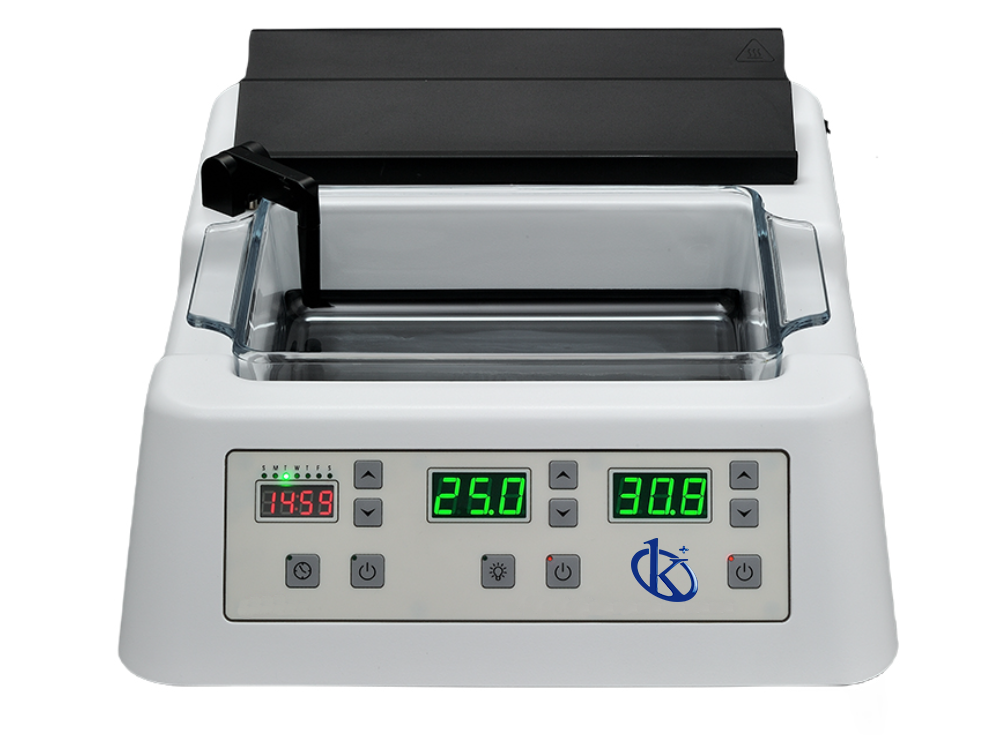
Comparative Analysis of Tissue Flotation Workstations Against Alternative Technologies
Tissue flotation workstations are vital for histology and pathology laboratories, providing essential support for the preparation of tissue samples. As technology advances, laboratory professionals face choices among various models and alternative methods. This article explores and compares the leading tissue flotation workstations, particularly focusing on the YR457-1, YR456, and YR457 models. The analysis delves into their features, efficiency, and suitability for different laboratory environments while contrasting them with alternative technologies.
Understanding Tissue Flotation Workstations
Tissue flotation workstations serve as a critical component in the processing of tissue samples, enabling precise control over temperature and conditions for optimal results. The function of these devices revolves around maintaining specific temperature ranges that prevent tissue distortion while facilitating the mounting process on slides.
Laboratories often face the dilemma of selecting the right workstation amidst various offerings. This decision requires understanding key specifications and operational capabilities that align with quality standards and laboratory workflows.
Comparison of Available Models
| Model | Temperature Range of Water Bath | Temperature Control Precision | Price (USD) | Best for |
|---|---|---|---|---|
| YR457-1 | RT - 70℃ | ±2℃ | $1200.00 | High-throughput laboratories |
| YR456 | RT - 70℃ | ±2℃ | $800.00 | Small to mid-sized labs |
| YR457 | RT - 70℃ | ±2℃ | $900.00 | Versatile applications |
Operational Efficiency: A Comparative View
Operational efficiency is paramount in tissue processing. The YR457-1 model is designed with advanced features suitable for high-throughput environments, maintaining optimal temperatures swiftly and accurately. On the other hand, the YR456 is perfect for smaller labs needing reliable performance without elaborate features, while the YR457 provides a balance between utility and cost-effectiveness.
Each workstation’s ability to control temperature accurately (±2℃) allows for dependable results, which is essential for meeting stringent laboratory standards.
Cost-Benefit Analysis of Models
When analyzing the cost-effectiveness of each model, one must consider both initial investment (CAPEX) and operational expenses (OPEX). The following table outlines key financial metrics to aid in decision-making:
| Model | CAPEX (USD) | Estimated OPEX per Month (USD) | Payback Period (Months) |
|---|---|---|---|
| YR457-1 | $1200.00 | $50.00 | 24 |
| YR456 | $800.00 | $40.00 | 20 |
| YR457 | $900.00 | $45.00 | 22 |
Common Mistakes and How to Avoid Them
One common mistake laboratories make is underestimating the importance of temperature control precision. Choosing a model with inadequate specifications can lead to flawed results. It's crucial to evaluate the specific needs of your laboratory environment and select a workstation that accommodates those requirements adequately.
Another mistake involves overlooking maintenance costs. It's essential to assess both the initial investment and the long-term operational expenses to understand the total cost of ownership.
FAQs
How do I choose the right tissue flotation workstation for my lab needs?
Choosing the right tissue flotation workstation involves assessing your laboratory's throughput requirements, budget, and specific features necessary for your workflow. For example, the YR457-1 is ideal for high-throughput environments, while the YR456 is suited for smaller labs.
What are the temperature control specifications of the YR456 tissue flotation workstation?
The YR456 model offers a temperature range maintenance from ambient to 70℃ with a control precision of ±2℃. This ensures reliable results for tissue processing in histology labs.
Which tissue flotation workstation is best for small laboratories?
For small laboratories, the YR456 is recommended due to its affordability at $800.00 and adequate features that meet the essential requirements for effective tissue processing.
What factors should I consider for the longevity of my flotation workstation?
It's essential to consider regular maintenance, environmental conditions, and adherence to operational guidelines. Proper care can extend the life of workstations like the YR457-1, ensuring optimal performance over time.
How does the YR457 model compare to alternative technologies?
The YR457 model offers specific advantages in terms of temperature precision and dual functionalities (water bath and slide dryer) that many alternative technologies may lack, providing better control over tissue preparation processes.
What is the expected ROI for investing in a tissue flotation workstation?
Investing in a tissue flotation workstation like the YR456 can yield a return on investment within 20 months, considering the reduced labor costs and improved efficiency it brings to laboratory operations.
Can I integrate my tissue flotation workstation with other lab systems?
While most tissue flotation workstations, including the YR456, are designed for standalone operation, some can be integrated into broader laboratory information management systems (LIMS) for enhanced data management and workflow efficiency.
What maintenance is required for optimal performance of tissue flotation workstations?
Regular calibration, cleaning of components, and monitoring temperature settings are crucial maintenance tasks for workstations like the YR457, ensuring they operate within specified parameters.
If you are looking for a fusion of innovation and quality, you have come to the right place. At Kalstein, we offer you the luxury of exploring our exclusive catalog of laboratory equipment. We manufacture every device to the highest standards of excellence. Our intuitive and seamless online purchasing channels are designed for your convenience, securing the most competitive prices. Hesitate no longer — we bring science to life, it is time to become part of our community.