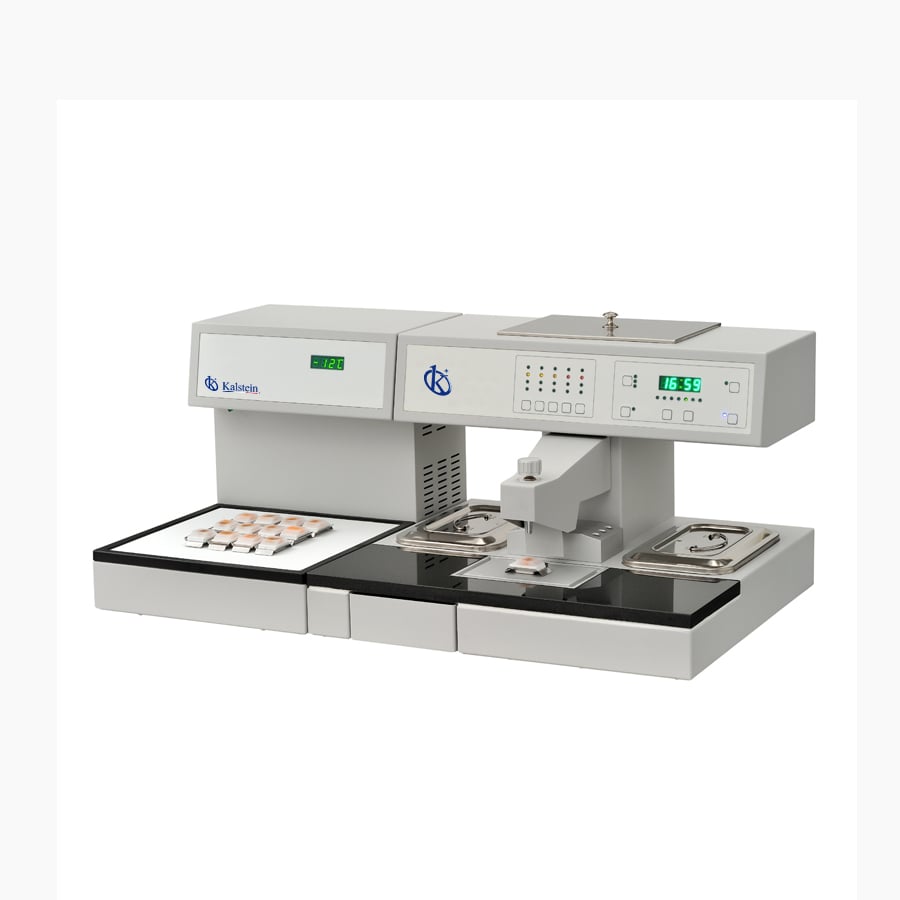
Comparative Analysis of Tissue Embedding Systems Against Alternative Technologies
Tissue embedding systems are critical in the fields of histology and pathology, providing essential support in the processing and preservation of tissue samples. This article aims to compare multiple models of tissue embedding systems available on the market, specifically focusing on their technical features, usability, and integration with laboratory workflows. By understanding the comparative advantages of different tissue embedding systems, laboratory professionals can make informed decisions that enhance operational efficiency and improve sample quality.
Overview of Tissue Embedding Systems
The primary function of a tissue embedding system is to provide a controlled environment for the infiltration and embedding of tissue samples in paraffin wax. This process is essential for preparing samples for sectioning and subsequent analysis under a microscope. The systems vary in design, features, and capacities, catering to different laboratory requirements and workflows.
Comparison of Available Models
| Model | Paraffin Chamber Capacity (liters) | Temperature Range (°C) | Price (USD) | Best for |
|---|---|---|---|---|
| YR441 | 3 | 55 - 70 | 2200.00 | Advanced programmed applications |
| YR447 | 4 | RT - 85 | 2800.00 | Rapid and uniform heating |
| YR439 | 3 | 55 - 70 | 1300.00 | Comfortable sample processing |
| YR445 | 4 | RT - 85 | 1800.00 | High-capacity embedding |
| YR439-1 | ≥6 | TA - 85 | 2100.00 | High precision applications |
| YR440B | N/A | 0 to -20 | 1100.00 | Cryogenic tissue preservation |
Evaluating Features and Performance
When comparing tissue embedding systems, several key factors must be evaluated: temperature control, capacity, programmatic flexibility, and energy efficiency. The YR441, for example, features programmable operations that enhance user flexibility, while the YR447 is recognized for its rapid and uniform heating, ideal for high-throughput environments. Such performance capabilities are essential in labs that require consistent results in tissue processing.
Usability and Integration in Laboratory Workflows
Usability is critical in selecting a tissue embedding system. Models like the YR439 and YR445, equipped with intuitive control panels, streamline the embedding process, allowing for programmable work hours. Moreover, seamless integration into laboratory workflows is crucial; systems must communicate effectively with existing laboratory information management systems (LIMS) to optimize data handling and traceability.
Common Mistakes and How to Avoid Them
One common mistake in selecting a tissue embedding system is overlooking the specific needs of the laboratory. Factors such as the volume of samples, required temperature ranges, and specific embedding protocols should drive the decision-making process. Furthermore, disregarding energy consumption can lead to unexpectedly high operational costs. It's essential to evaluate models based on both initial investment and long-term operational expenses.
Frequently Asked Questions
What are the power consumption levels of different tissue embedding systems?
The energy efficiency of tissue embedding systems varies widely. For instance, the YR447 offers rapid heating with reduced energy consumption. Understanding the power requirements of each model helps in estimating operational costs effectively.
How to choose a tissue embedding system based on sample throughput?
Choosing a model like the YR445 or YR447 can enhance throughput due to their larger capacities and faster processing times. Depending on the laboratory’s sample volume, it's advisable to select systems that can handle high workloads efficiently.
What maintenance is required for optimum performance of tissue embedding systems?
Regular maintenance, including calibration of temperature controls, is essential. Models like YR439 require periodic checks to ensure consistent temperature regulation, critical for sample quality in histology and pathology applications.
Which tissue embedding systems offer the best temperature control?
The YR441 and YR447 are renowned for their precise temperature control within specified ranges. Such accuracy is crucial for ensuring the integrity of embedded tissue samples, making them suitable for labs with stringent quality requirements.
How do tissue embedding systems integrate with laboratory information management systems?
Systems like the YR447 are designed for seamless integration with LIMS, allowing for enhanced data management and traceability. Ensuring compatibility with existing laboratory software enhances operational efficiency.
What are the cost differences between various tissue embedding systems?
Cost varies significantly among models, with the YR439 priced at $1300 and the YR447 at $2800. Evaluating cost against features and performance is vital for making a financially sound choice.
How can I ensure the durability of my tissue embedding system?
Choosing models with robust components, such as the YR440B which features high-quality compressors, can enhance durability. Regular maintenance and adherence to operational guidelines will further extend the lifespan of the equipment.
What are the typical applications of tissue embedding systems in pathology labs?
Tissue embedding systems like the YR445 are essential in preparing samples for microscopic analysis in pathology labs. They facilitate the embedding process, ensuring samples maintain integrity during sectioning.
If you are looking for a fusion of innovation and quality, you have come to the right place. At Kalstein, we offer you the luxury of exploring our exclusive catalog of laboratory equipment. We manufacture every device to the highest standards of excellence. Our intuitive and seamless online purchasing channels are designed for your convenience, securing the most competitive prices. Hesitate no longer — we bring science to life, it is time to become part of our community.