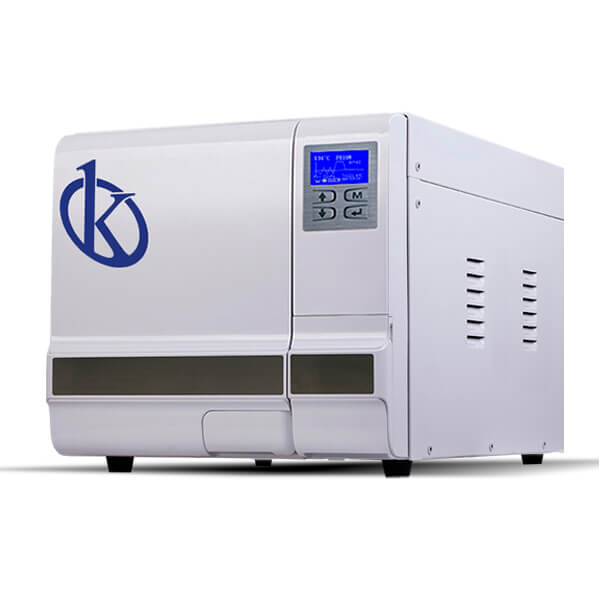
Comparative Analysis of Horizontal Autoclaves: Understanding Their Advantages Over Alternative Technologies
In the modern laboratory environment, the effective sterilization of equipment and materials is essential. Horizontal autoclaves have become a popular choice due to their efficiency and reliability. This article provides a comprehensive comparative analysis of different models of horizontal autoclaves, emphasizing their unique features, advantages, and how they stand against alternative sterilization technologies.
Understanding Horizontal Autoclaves and Their Importance
Horizontal autoclaves utilize steam to sterilize equipment, offering a reliable method for eliminating pathogens. They are particularly beneficial in medical, veterinary, and laboratory settings where maintaining sterile environments is crucial. The functionality of horizontal autoclaves, including pre-vacuum features and programmable cycles, enhances efficiency, making them indispensable for small businesses, clinics, and labs.
Comparison of Available Models
| Model | Chamber Volume | Power (W) | Weight (Kg) | Price (USD) |
|---|---|---|---|---|
| YR03387 | 8 Liters | 1750 | 50 | 750.00 |
| YR03388 | 12 Liters | 1750 | 53 | 835.00 |
| YR03389 | 18 Liters | 1750 | 53 | 900.00 |
| YR03390 | 23 Liters | 1750 | 53 | 1000.00 |
| YR03385C | 29 Liters | 2300 | 95 | 2350.00 |
| YR03385B | 45 Liters | 3800 | 115 | 2800.00 |
How Horizontal Autoclaves Compare to Alternative Sterilization Technologies
When comparing horizontal autoclaves to other sterilization methods, such as ethylene oxide and dry heat sterilization, several factors come into play. Horizontal autoclaves are generally faster and more effective at achieving sterilization due to their ability to penetrate porous materials effectively with steam. Additionally, they do not require lengthy aeration periods post-sterilization, which is often necessary for ethylene oxide systems.
Key Advantages of Horizontal Autoclaves
Horizontal autoclaves, such as the Class B Table Autoclave YR03389, provide numerous benefits including:
- Efficiency: Quick sterilization cycles reduce downtime in laboratories.
- Versatility: Capable of sterilizing a wide range of materials, including liquids and instruments.
- Compact Design: Require minimal space, suitable for smaller facilities.
Technical Features of the Discussed Models
Each model discussed has unique specifications tailored to various laboratory needs:
- YR03387: Ideal for smaller operations with an 8-liter capacity.
- YR03385C: Larger capacity (29 liters) for more extensive laboratory use.
Common Mistakes and How to Avoid Them
One common mistake when selecting an autoclave is underestimating the required chamber volume based on the laboratory's workload. It is crucial to assess the volume of materials needing sterilization to choose the model that best meets operational demands. Additionally, overlooking maintenance requirements can lead to operational failures.
Frequently Asked Questions
What is the sterilization capacity of the Class B Table Autoclave YR03389?
The Class B Table Autoclave YR03389 has a chamber volume of 18 liters, making it suitable for small to medium-size laboratory settings where moderate sterilization capacity is needed.
How does the Class B Table Autoclave reduce operational downtime?
With fast sterilization cycles, the Class B Table Autoclave YR03389 minimizes downtime, allowing laboratories to maintain productivity without lengthy waiting periods for sterilization results.
Which model is best for small veterinary clinics?
The Class B Table Autoclave YR03387, with its compact design and 8-liter capacity, is ideal for small veterinary clinics requiring efficient sterilization without occupying excessive space.
Can the Class B Table Autoclave handle liquids?
Yes, the Class B Table Autoclave models are designed to efficiently sterilize liquids alongside solid instruments, ensuring comprehensive sterilization across different types of materials.
How does the pricing of horizontal autoclaves compare to other methods?
Horizontal autoclaves, such as the Class B Table Autoclave YR03390 priced at $1000, offer a competitive cost compared to other sterilization methods when considering their efficiency and reliability.
What maintenance is required for a horizontal autoclave?
Regular maintenance for horizontal autoclaves, including checking seals and calibrating the pressure, is essential to ensure optimal performance and compliance with sterilization standards.
What factors should I consider when choosing a horizontal autoclave model?
Consider chamber volume, cycle times, power requirements, and specific sterilization needs when selecting a model like the Class B Table Autoclave YR03385C for larger operations.
Which horizontal autoclave is most energy-efficient?
The Class B Table Autoclave YR03387 operates with a lower wattage (1750W), making it a more energy-efficient option for smaller laboratories focusing on cost-effectiveness during sterilization processes.
If you are looking for a fusion of innovation and quality, you have come to the right place. At Kalstein, we offer you the luxury of exploring our exclusive catalog of laboratory equipment. We manufacture every device to the highest standards of excellence. Our intuitive and seamless online purchasing channels are designed for your convenience, securing the most competitive prices. Hesitate no longer — we bring science to life, it is time to become part of our community.