Comparative Analysis of Drying Ovens vs. Alternative Technologies
In today’s laboratory environments, the choice of drying equipment is crucial for achieving optimal results in various applications. Drying ovens are widely used for drying, sterilization, and thermodynamic treatment of materials. However, understanding how these drying ovens compare to alternative technologies is essential for making informed decisions. This article provides a comparative analysis, focusing on multiple models of drying ovens available in the market, highlighting their unique features and advantages.
Understanding Drying Ovens and Their Applications
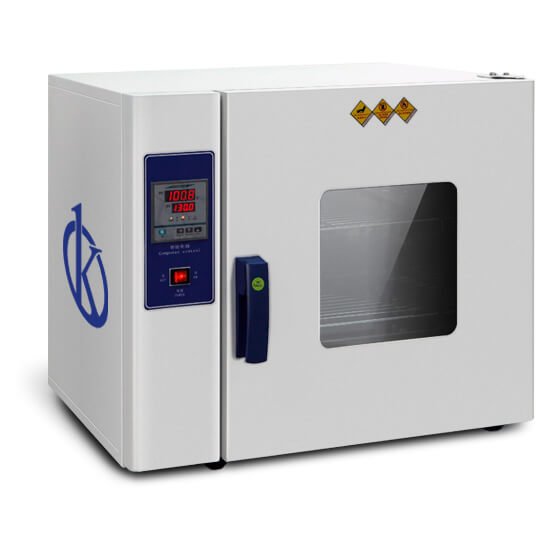
Drying ovens are designed to provide a controlled environment for drying samples through the application of heat. They are equipped with features such as PID microcomputer control, LED temperature display, and air circulation systems. Common applications include sterilization, thermodynamic treatment, and storage of heat-sensitive materials.
Several models of drying ovens serve diverse laboratory needs. For instance, the Electric Heating Drying Stove YR05244 is recognized for its precise temperature control and is ideal for users requiring high uniformity in temperature. Other models, such as YR05245 and YR05246, provide similar features but differ in internal dimensions and power ratings, allowing users to choose based on their specific requirements.
Comparison of Available Models
| Model | Temperature Range (℃) | Precision (℃) | Power (kW) | Price (USD) |
|---|---|---|---|---|
| YR05244 | RT + 5 ~ 250 | ±0.1 | 1 | 295.00 |
| YR05245 | RT + 5 ~ 250 | ±0.1 | 1 | 364.00 |
| YR05246 | RT + 5 ~ 250 | ±0.1 | 1 | 486.00 |
| YR05247 | RT + 5 ~ 250 | ±0.1 | 1 | 598.00 |
| YR05248 (A) | RT + 5 ~ 250 | ±1 | 1 | 162.00 |
| YR05249 (A) | RT + 5 ~ 250 | ±1 | 1 | 180.00 |
Common Mistakes and How to Avoid Them
When selecting drying ovens, one common mistake is underestimating the importance of temperature precision and uniformity. Many users may opt for models based solely on price, failing to consider their specific requirements for temperature control. For instance, models like the YR05244 are designed for high precision, making them indispensable for applications that require stringent temperature conditions.
Another mistake is neglecting to evaluate the oven's capacity and features like air circulation and alarm systems. Opting for an oven without considering the size and operational environment can lead to inefficiencies. Always assess the laboratory's needs against the specifications of the drying ovens.
Benefits of Using Drying Ovens in Laboratories
Drying ovens provide numerous benefits, including consistent heating, reduced drying times, and the ability to handle various materials safely. They are ideal for applications ranging from drying chemicals to preparing biological samples. For laboratories focused on ensuring high standards of reproducibility and efficiency, models like the YR05246 offer exceptional performance thanks to their advanced features.
Comparative Analysis with Alternative Technologies
When comparing drying ovens to alternative technologies such as microwave drying or vacuum drying, it is crucial to consider the principles of operation, sensitivity, and throughput. Drying ovens typically provide a more uniform result, while microwave drying may offer faster results but can lead to uneven heating. Each method has its advantages depending on the material being dried and the desired outcome.
For instance, vacuum drying is advantageous for heat-sensitive materials but may require more complex setups and monitoring. In contrast, drying ovens like the YR05245 offer a straightforward operation with robust temperature control, making them suitable for a vast range of laboratory applications.
Energy Efficiency in Drying Ovens
In terms of sustainability, energy consumption is a key consideration when selecting drying equipment. Modern drying ovens are designed to optimize energy use while ensuring effective drying. For example, the Electric Heating Drying Stove series employs a smart PID control system that enhances energy efficiency, which is critical for laboratories looking to minimize their carbon footprint.
By assessing the kilowatt hours (kWh) consumed per drying cycle, laboratories can make more informed choices that align with sustainability goals. For example, the YR05248 model is particularly noted for its lower operational costs while providing reliable drying capabilities.
Frequently Asked Questions
What are the advantages of using the YR05246 drying oven over other models?
The YR05246 drying oven offers superior temperature precision of ±0.1℃, making it ideal for applications requiring high uniformity. Its advanced PID microcomputer control and robust design make it suitable for a variety of laboratory tasks, ensuring consistent results.
How does the energy consumption of drying ovens compare to microwave dryers?
Drying ovens, such as the YR05245, generally use less energy for prolonged drying processes compared to microwave dryers, which can lead to uneven heating. Ovens provide a consistent temperature and are often more efficient for bulk drying applications.
Which drying oven model is best for laboratory sterilization processes?
The YR05244 model is specifically designed for sterilization due to its precise temperature controls and reliable performance. Its capacity to maintain uniform heat makes it ideal for sterilizing laboratory tools and materials without risk of damage.
How can I choose the right drying oven model for my laboratory needs?
When selecting a drying oven, consider factors such as temperature range, precision, and the specific applications you require. Models like the YR05247 offer advanced features suitable for high-demand laboratory environments.
What are the operational costs associated with different drying oven models?
Operational costs vary by model; for instance, the YR05248 is known for its cost-effectiveness, priced at $162.00, while other models with advanced features may have higher initial costs but offer better long-term savings through energy efficiency.
How do drying ovens ensure safety during operation?
Drying ovens like the YR05245 are equipped with over-temperature alarms and user-friendly interfaces, ensuring safe operation. These features are critical for preventing accidents and ensuring compliance with laboratory safety standards.
How does the drying process differ between drying ovens and vacuum dryers?
Drying ovens operate by circulating hot air, providing uniform heating, while vacuum dryers remove moisture under reduced pressure, which is beneficial for sensitive materials. Each has its own applications based on the specific needs of the laboratory.
What types of materials can be dried using these ovens?
Drying ovens can be used for a wide range of materials including biological samples, chemicals, and glassware. The YR05246, for instance, is versatile enough to accommodate various laboratory materials, making it an essential tool.
If you are looking for a fusion of innovation and quality, you have come to the right place. At Kalstein, we offer you the luxury of exploring our exclusive catalog of laboratory equipment. We manufacture every device to the highest standards of excellence. Our intuitive and seamless online purchasing channels are designed for your convenience, securing the most competitive prices. Hesitate no longer — we bring science to life, it is time to become part of our community.