Common Mistakes and How to Avoid Them in Daily Operations of Portable Spectrophotometers 2026
What is it used for in 2026
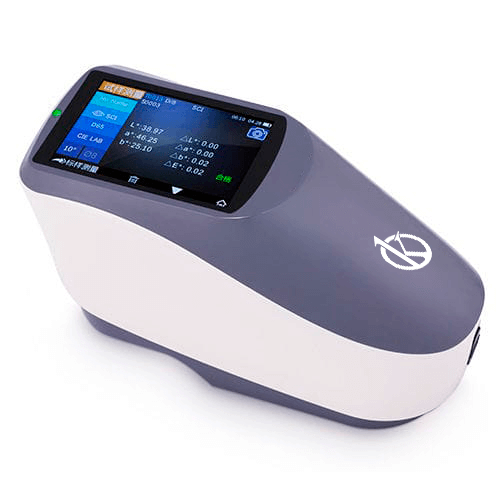
Portable spectrophotometers are vital in various laboratory settings as they provide quick and accurate measurements of the absorbance or transmittance of light through a sample. In 2026, these instruments are widely used in quality control processes in industries such as paints, textiles, and food and beverages. They enable professionals to ensure that products meet specific color and quality standards, supporting consistent production and reducing waste.
History and evolution of the technology
The journey of spectrophotometry began in the early 19th century, with the advent of the first simple spectrophotometers. Over the decades, technological advancements led to the development of portable variants, enhancing usability in field applications. By 2026, features such as Bluetooth connectivity, UV capabilities, and dual measurement modes have made portable spectrophotometers indispensable tools in various sectors.
How to use it step by step
Using a portable spectrophotometer involves several steps:
- Preparation: Ensure the device is calibrated according to the manufacturer's specifications, and verify the battery level or power source.
- Sample Selection: Choose an appropriate sample in a cuvette or directly on the measurement surface, depending on the model.
- Setting Parameters: Configure the required measurement parameters, including wavelength and measurement mode, using the device interface.
- Measure: Initiate the measurement and allow the device to capture the data, which may take a few seconds.
- Record Results: Save the results as per your laboratory's data management protocol.
Best techniques and protocols
To achieve the highest accuracy with portable spectrophotometers, follow these protocols:
- Conduct regular calibration with certified standards.
- Use clean and dry cuvettes or sample holders to prevent contamination.
- Ensure that the instrument’s light source is functioning correctly.
- Perform multiple measurements for average results to account for variations.
- Document all procedures and results for future reference.
Practical applications by laboratory type
Portable spectrophotometers find applications across various laboratory types:
- Chemical Laboratories: For analyzing chemical compositions and reactions.
- Food and Beverage Testing: To assess the color quality of beverages and food products.
- Textile Labs: For color matching and quality control in textiles and dyes.
- Environmental Testing: To monitor water quality and pollution levels.
Regulations, standards and certifications
In 2026, compliance with various standards such as ISO 7724-1 and ASTM E1164 is paramount. These regulations ensure that spectrophotometers produce consistent and reliable results, which is essential for industries aiming for high levels of product quality and safety.
Comparison with alternative technologies
While portable spectrophotometers are widely used, alternative technologies such as colorimeters and digital imaging systems can also measure color and quality. However, spectrophotometers provide more precise spectral data and are capable of analyzing a broader range of materials. The choice depends on specific needs such as accuracy, cost, and the nature of the samples being tested.
Comparison of available models
| Model | Best for | Key specs | Recommended use case |
|---|---|---|---|
| YR05503 | Traffic Sign Measurement | 20 mm aperture | Measuring brightness and color coordinates of traffic signs. |
| YR05504 | Color Analysis | 8 mm and 4 mm apertures | Precision color analysis in various industries. |
| YR05505 | General Color Measurement | Custom aperture (8 mm, 4 mm, 2 mm) | Transfer of color quality in textiles and paints. |
| YR05500 | High Precision Measurement | USB/Bluetooth, 8 mm/4 mm switchable aperture | High accuracy measurements with advanced connectivity. |
| YR05501 | Advanced Color Analysis | Dual mode, Bluetooth, and USB | Laboratory applications requiring high precision and connectivity. |
| YR05502 | Comprehensive Color Evaluation | UV capabilities, switchable apertures | Extensive range of applications across various fields. |
Common mistakes and how to avoid them
Laboratory professionals often encounter several pitfalls:
- Neglecting calibration can lead to inaccurate results; always calibrate before use.
- Using dirty cuvettes affects measurements; ensure cuvettes are clean and free from scratches.
- Improper sample handling can introduce variables; handle samples carefully and follow protocols.
- Not recording environmental conditions can affect repeatability; document temperature and humidity.
By being aware of these mistakes and taking proactive steps, users can enhance the accuracy and reliability of their measurements.
Maintenance, calibration and good practices 2026
Regular maintenance and calibration are essential for optimal performance:
- Clean the optical components regularly to prevent contamination.
- Perform calibration as per the manufacturer’s recommendations, using certified standards.
- Check the battery and replace as necessary to avoid unexpected shutdowns.
- Store the instrument in a protective case when not in use to prevent damage.
Cost-benefit analysis 2026
Investing in a portable spectrophotometer can yield significant benefits. While initial costs may vary based on model and specifications, the advantages in efficiency, accuracy, and compliance can translate into substantial savings over time. Businesses can reduce errors in their production processes, minimize waste, and ensure product quality, positioning themselves as leaders in their respective markets.
Frequently asked questions
What is the best way to choose a portable spectrophotometer?
Consider factors such as measurement range, ease of use, required features (like Bluetooth connectivity), and your specific application needs when selecting a portable spectrophotometer.
How often should I calibrate my spectrophotometer?
Calibration should be performed regularly, ideally before each use or daily if used frequently, to ensure measurement accuracy.
Can I use different sample types with a portable spectrophotometer?
Yes, portable spectrophotometers can measure various sample types, but it is crucial to use the correct cuvette or measurement technique for each type.
What are the common issues faced while operating a portable spectrophotometer?
Common issues include calibration errors, environmental influences, and contamination of samples or cuvettes.
How can I ensure accurate readings from my spectrophotometer?
Ensure regular calibration, use clean and appropriate sample holders, and follow standard operating procedures to achieve accurate readings.
What are the benefits of Bluetooth connectivity in portable spectrophotometers?
Bluetooth connectivity allows for seamless data transfer to computers and mobile devices, enhancing data management and analysis capabilities.
Where can I find a reliable supplier for portable spectrophotometers?
Research suppliers with positive reviews and a good track record. Consider requesting quotes from multiple vendors to compare pricing and options.
If you are looking for a fusion of innovation and quality, you have come to the right place. At Kalstein, we offer you the luxury of exploring our exclusive catalog of laboratory equipment. We manufacture every device to the highest standards of excellence. Our intuitive and seamless online purchasing channels are designed for your convenience, securing the most competitive prices. Hesitate no longer — we bring science to life, it is time to become part of our community.