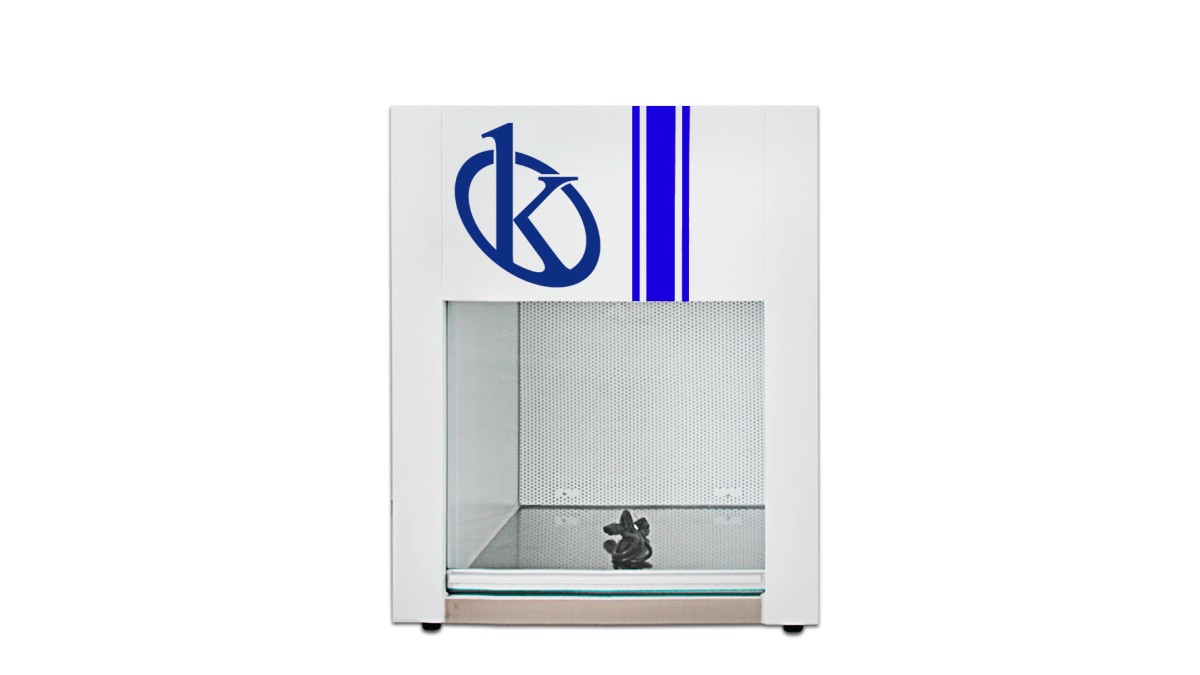
Common Mistakes and How to Avoid Them in Daily Operation of Horizontal Laminar Flow Clean Benches 2026
Horizontal Laminar Flow Clean Benches are essential in creating sterile environments for various laboratory applications. However, improper use can lead to contamination and inefficiency. This article aims to guide lab professionals in avoiding common pitfalls while maximizing the effectiveness of these critical instruments.
What is it used for in 2026
Horizontal Laminar Flow Clean Benches are used in laboratories to protect sensitive materials and processes from airborne contaminants. They are crucial in fields such as biology, medicine, and material science where sterility is paramount. In 2026, these benches continue to be invaluable for tasks like cell culture, pharmaceutical compounding, and microbiological work.
History and evolution of the technology
The development of laminar flow technology dates back to the mid-20th century, evolving from basic cleanroom concepts to sophisticated air filtration systems. Initially used in industrial applications, the technology soon found its place in laboratories. The horizontal design allows for an unobstructed workspace, improving efficiency and safety. Over the years, advancements in materials and filtration have increased the reliability and usability of these clean benches.
How to use it step by step
- **Preparation**: Ensure the workspace is clean and organized before using the clean bench.
- **Set Up**: Place the clean bench in a designated clean area, away from doors and windows to minimize airflow disturbances.
- **Power On**: Turn on the clean bench at least 15-30 minutes before use to allow the airflow system to stabilize.
- **Work Procedure**: Always work within the designated area, avoiding rapid movements that disrupt airflow.
- **Post-Use**: Clean the surfaces with appropriate disinfectants to maintain sterility.
Best techniques and protocols
To ensure effective use of Horizontal Laminar Flow Clean Benches, follow these techniques:
- **Proper Gowning**: Always wear clean lab coats, gloves, and masks to minimize contamination.
- **Minimize Openings**: Limit the time any materials are outside the bench to reduce contamination risk.
- **Regular Maintenance**: Schedule routine checks for filters and airflow to ensure optimal performance.
- **Material Arrangement**: Strategically place items to allow for smooth airflow and accessibility.
Practical applications by laboratory type
Horizontal Laminar Flow Clean Benches are utilized across various laboratory types:
- **Biological Labs**: Used for tissue culture and microbiological studies.
- **Pharmaceutical Labs**: Essential for drug preparation and compounding.
- **Material Science Labs**: Ideal for studies involving sensitive materials that may be affected by contaminants.
Regulations, standards and certifications
Compliance with regulations such as ISO 14644 for cleanrooms and applicable federal standards is crucial. Regular certification and inspections ensure that Horizontal Laminar Flow Clean Benches operate within defined clean air parameters.
Comparison with alternative technologies
Compared to other cleanroom technologies, such as biosafety cabinets, Horizontal Laminar Flow Clean Benches specifically provide an aseptic environment without the additional protection against hazardous biological agents. This makes them suitable for non-hazardous applications only.
Comparison of available models
| Model | Best for | Key specs | Recommended use case |
|---|---|---|---|
| YR05723 | General laboratory use | Class 100, 0.25-0.45 m/s wind speed | Cell culture, microbiological work |
| YR05724 | Small scale experiments | Class 100, compact design | Pharmaceutical compounding |
| YR05726 | Advanced biological research | Class 100, stainless steel surface | High-precision laboratory work |
| YR05727 | Heavy-duty applications | Class 100, max 500W power | Large volume cell cultures |
| YR05728 | Versatile laboratory tasks | Class 100, user-friendly design | Microbial studies and sample preparations |
| YR05729 | Industrial applications | Class 100, high airflow capacity | Research and development projects |
Common mistakes and how to avoid them
Understanding the most frequent mistakes can greatly enhance the efficiency and safety of operations:
- **Not Prepping the Area**: Failing to clean the workspace can introduce contaminants.
- **Ignoring Maintenance**: Neglecting to check filters can lead to compromised air quality.
- **Incorrect Usage**: Not following the airflow direction can lead to contamination.
- **Overcrowding**: Placing too many materials on the bench can obstruct airflow and increase contamination risk.
Maintenance, calibration and good practices 2026
Regular maintenance is essential for optimal performance:
- **Monthly Filter Changes**: Ensure filters are replaced as recommended by the manufacturer.
- **Calibration Checks**: Perform regular checks on airflow and lighting systems.
- **Daily Cleaning**: Wipe down surfaces with approved disinfectants after each use.
Cost-benefit analysis 2026
Investing in Horizontal Laminar Flow Clean Benches provides significant returns in terms of reliability and sterility. The initial costs are typically offset by improved productivity and reduced contamination incidents. Long-term savings can also result from minimizing material waste and enhancing research efficacy.
Frequently asked questions
What are the main factors to consider when choosing a Horizontal Laminar Flow Clean Bench?
Consider the intended application, workspace size, airflow specifications, and maintenance requirements. Evaluate the models based on your laboratory's specific needs.
How often should I clean my Horizontal Laminar Flow Clean Bench?
It is advisable to clean the bench after every use and perform a deeper clean regularly, typically on a monthly basis.
Can I use a Horizontal Laminar Flow Clean Bench for hazardous materials?
No, these benches are designed for non-hazardous materials. For handling hazardous materials, a biosafety cabinet is recommended.
Is it necessary to run the bench before starting my work?
Yes, it is crucial to run the clean bench for at least 15-30 minutes before use to allow the airflow system to stabilize.
What is the typical lifespan of a filter in these clean benches?
The lifespan varies depending on usage, but filters should typically be replaced every 6 to 12 months.
How can I ensure proper airflow in the bench?
Regular maintenance, such as filter changes and calibration checks, will help ensure proper airflow is maintained.
Where can I request a quote for a Horizontal Laminar Flow Clean Bench?
You can request a quote for a Horizontal Laminar Flow Clean Bench directly through Kalstein Plus for the best pricing and options.
If you are looking for a fusion of innovation and quality, you have come to the right place. At Kalstein, we offer you the luxury of exploring our exclusive catalog of laboratory equipment. We manufacture every device to the highest standards of excellence. Our intuitive and seamless online purchasing channels are designed for your convenience, securing the most competitive prices. Hesitate no longer — we bring science to life, it is time to become part of our community.