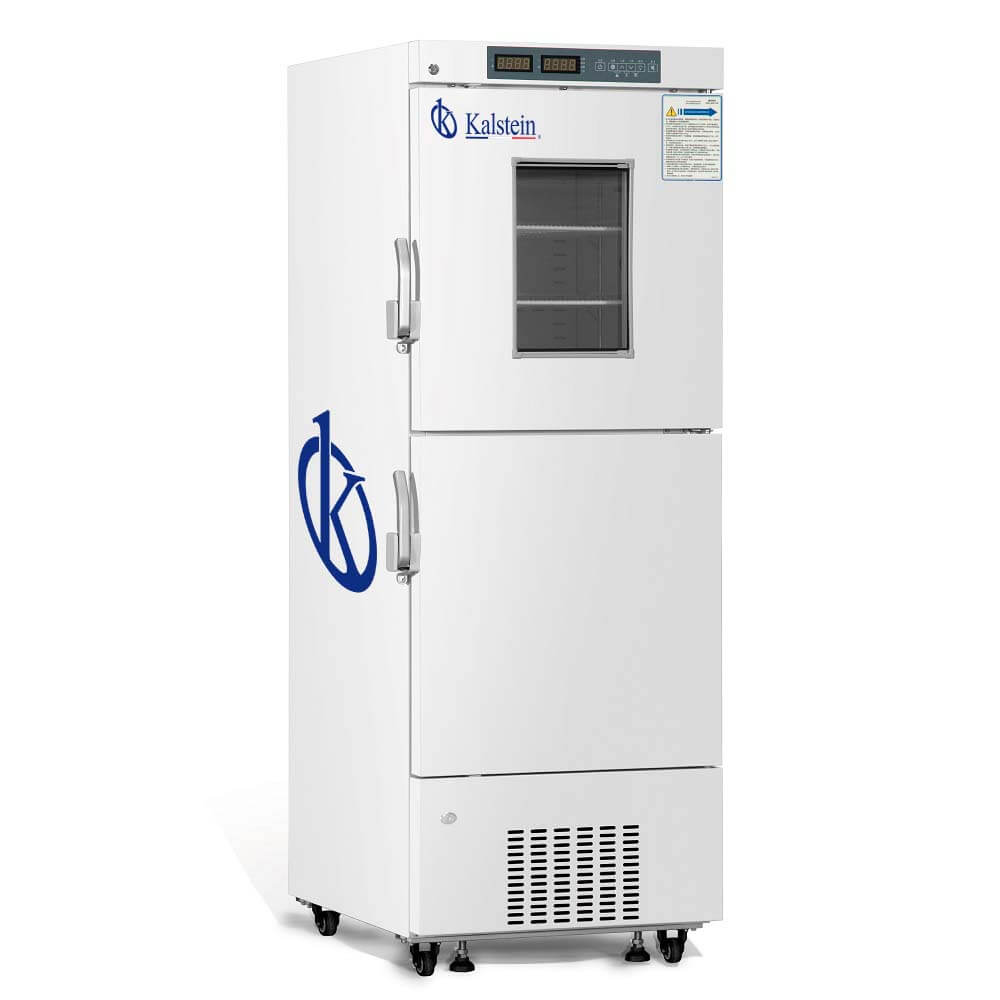
Combined Freezers: Practical Applications and Techniques 2026
Combined freezers play a crucial role in modern laboratories, serving as essential equipment for the safe storage of biological materials, pharmaceuticals, and more. This article explores the various applications, techniques, and best practices for utilizing these devices in 2026.
What is it used for in 2026
In 2026, combined freezers are primarily used in research laboratories, hospitals, blood banks, and biotechnology facilities. Their dual functionality allows for the separate management of different temperature zones, making them indispensable for tasks such as:
- Storing vaccines and biological samples at precise temperatures.
- Preserving blood plasma and other sensitive materials.
- Facilitating long-term storage of research specimens.
Combined freezers like the YR05320, YR05321, and YR05321-1 offer tailored temperature controls that cater to varied storage needs, ensuring that all samples remain viable for research and clinical applications.
History and evolution of the technology
The evolution of combined freezer technology has been marked by significant advancements aimed at improving safety, efficiency, and temperature accuracy. Originally designed for basic refrigeration, these units have transitioned into sophisticated systems capable of maintaining dual temperature settings. Early models lacked reliable monitoring systems and often resulted in temperature fluctuations, which could jeopardize sample integrity. The introduction of microprocessor controls and independent compressor systems has dramatically improved performance, allowing for better temperature management and user-friendly interfaces.
How to use it step by step
Using a combined freezer involves several key steps to ensure optimal performance:
- Setup: Place the freezer on a stable surface and plug it into a suitable power outlet.
- Initial Configuration: Set the desired temperatures for both compartments according to the materials to be stored.
- Load Samples: Carefully place samples in designated compartments, ensuring they are adequately sealed.
- Temperature Monitoring: Regularly check temperature readings using the digital display and adjust settings if necessary.
- Regular Maintenance: Conduct monthly inspections for ice build-up and clean the interior surfaces to maintain hygiene.
Best techniques and protocols
To maximize efficiency and safety when using combined freezers, consider the following protocols:
- Utilize barcoding systems to track samples and avoid misplacement.
- Implement a FIFO (First In, First Out) system to manage stock and ensure timely usage of materials.
- Regularly calibrate temperature sensors to maintain accuracy.
- Use appropriate containment measures to prevent cross-contamination.
Practical applications by laboratory type
Different laboratory environments utilize combined freezers in distinct ways:
Research Laboratories
These facilities use combined freezers for storing biological specimens, chemical reagents, and vaccines, ensuring that sensitive materials remain stable over extended periods.
Biotechnology Companies
In biotechnology, combined freezers are essential for preserving genetically modified organisms and conducting experiments that require controlled temperatures.
Healthcare Providers
Hospitals and blood banks employ combined freezers to maintain the viability of blood products and vaccines, safeguarding public health.
Regulations, standards and certifications
Compliance with various regulations is crucial for laboratories using combined freezers. Key standards to adhere to include:
- ISO 13485 for medical devices.
- CDC and FDA guidelines for vaccine storage.
- Good Laboratory Practice (GLP) regulations.
Obtaining certifications ensures that combined freezers meet industry safety and performance standards.
Comparison with alternative technologies
Combined freezers provide unique advantages compared to single-temperature freezers and standard refrigerators:
- Versatility: Combined freezers can manage different materials requiring distinct temperature settings.
- Energy Efficiency: Recent models are designed to consume less energy while maintaining optimal cooling.
- Space Saving: With dual compartments, they occupy less floor space compared to having separate units.
Comparison of available models
| Model | Best for | Key specs | Recommended use case |
|---|---|---|---|
| YR05320 | Pharmaceutical Storage | 368L, Direct cooling, Manual defrost | Storing plasma and biological materials in clinics. |
| YR05321 | Hospital Use | R290, Double chamber, Microprocessor control | Maintaining vaccine integrity in hospitals. |
| YR05321-1 | Laboratory Research | Independent cooling systems, Digital display | Long-term storage of sensitive laboratory specimens. |
Common mistakes and how to avoid them
Laboratory professionals often encounter several common pitfalls when using combined freezers:
- Overloading: Avoid placing too many items in a compartment, which can hinder airflow and affect cooling performance.
- Ignoring Maintenance: Regular cleaning and checks are essential to prolong the lifespan of the unit.
- Temperature Fluctuations: Ensure that the door is closed promptly to maintain stable temperatures.
Maintenance, calibration and good practices 2026
For optimal performance in 2026, follow these maintenance practices:
- Schedule regular calibration of temperature control systems.
- Perform monthly inspections for wear and tear.
- Keep the unit clean and free from ice build-up.
Cost-benefit analysis 2026
Investing in a combined freezer offers significant benefits, including:
- Improved sample preservation capabilities, reducing material waste.
- Energy-efficient models leading to lower operational costs.
- Enhanced laboratory workflow due to reduced need for multiple storage devices.
Evaluating the cost against these benefits ensures a wise investment decision.
Frequently asked questions
What should I consider when choosing a combined freezer?
When selecting a combined freezer, consider factors such as storage capacity, temperature range, energy efficiency, and compliance with relevant regulations.
How can I ensure the proper temperature is maintained?
Utilize built-in monitoring systems, regularly check temperature displays, and conduct periodic calibrations to ensure accurate temperature maintenance.
What routine maintenance is necessary for combined freezers?
Regularly clean the interior, check for frost accumulation, and ensure that all seals are intact.
Can I store different materials in the same unit?
Yes, combined freezers are designed for storing materials requiring different temperature settings, but ensure proper separation to avoid cross-contamination.
What are the signs that my combined freezer needs servicing?
Look for signs such as unusual noises, inconsistent temperature readings, or excessive frost build-up, indicating a need for servicing.
How often should I defrost my combined freezer?
Defrosting frequency depends on usage, but ideally, it should be done when ice build-up exceeds a quarter-inch thickness.
Where can I request a quote for a combined freezer?
You can request a quote through the relevant supplier's platform or contact their sales team directly for assistance.
If you are looking for a fusion of innovation and quality, you have come to the right place. At Kalstein, we offer you the luxury of exploring our exclusive catalog of laboratory equipment. We manufacture every device to the highest standards of excellence. Our intuitive and seamless online purchasing channels are designed for your convenience, securing the most competitive prices. Hesitate no longer — we bring science to life, it is time to become part of our community.