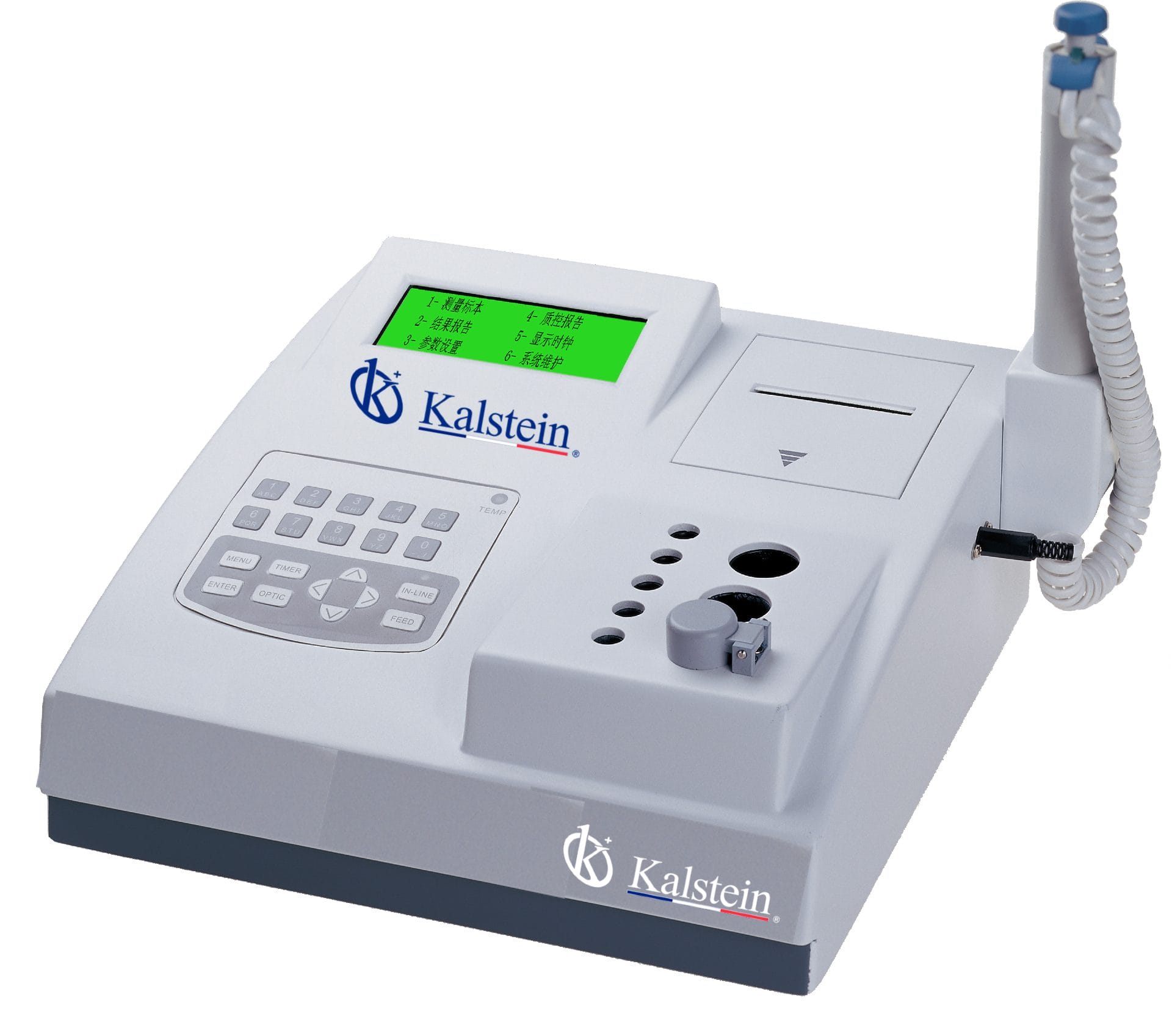
Coagulation Analyzers: Practical Applications and Techniques 2026
What is it used for in 2026
Coagulation analyzers are essential tools in medical laboratories, primarily used to assess blood coagulation and identify hemophilia, thrombophilia, and other clotting disorders. In 2026, these devices have advanced significantly, allowing for faster and more accurate testing. Key applications include routine coagulation tests such as PT (Prothrombin Time), APTT (Activated Partial Thromboplastin Time), and specific tests for fibrinogen levels.
History and evolution of the technology
The evolution of coagulation analyzers dates back to the mid-20th century when basic manual methods were utilized to assess coagulation. Over the decades, advancements in optical technology and automation have led to the development of sophisticated analyzers that can conduct multiple tests simultaneously with high accuracy. The introduction of open reagent systems and advanced light combination systems has further enhanced their functionality.
How to use it step by step
Using coagulation analyzers involves several important steps:
- Preparation: Ensure the analyzer is properly calibrated and the reagents are ready for use.
- Sample Collection: Collect the blood sample using standard techniques, ensuring minimal contamination.
- Sample Placement: Place the sample in the designated sample holder of the analyzer.
- Program Selection: Select the appropriate test protocol for the analysis required.
- Initiate Testing: Start the testing process and monitor the analyzer for any errors or alerts.
- Results Interpretation: Once testing is complete, review the results and perform any necessary follow-up actions.
Best techniques and protocols
In 2026, the best practices for using coagulation analyzers include:
- Routine calibration checks to maintain accuracy.
- Using open reagents to reduce costs and enhance flexibility.
- Implementing a quality control protocol for consistent results.
- Utilizing optical technology for enhanced analytical performance.
Practical applications by laboratory type
Coagulation analyzers are utilized across various laboratory settings:
- Clinical Laboratories: Commonly used for routine coagulation tests to monitor patients on anticoagulant therapy.
- Research Laboratories: Employed in research settings to study the mechanisms of coagulation and related disorders.
- Blood Banks: Essential for testing donated blood for coagulation factors before transfusions.
Regulations, standards and certifications
Coagulation analyzers in 2026 are subject to strict regulations, including compliance with ISO standards for laboratory equipment, as well as certifications from regulatory bodies such as the FDA in the United States. Laboratories must ensure that their devices are regularly inspected and maintained in accordance with these standards.
Comparison with alternative technologies
While coagulation analyzers are widely used, alternative technologies such as point-of-care testing devices and laboratory-based traditional methods exist. Point-of-care testing offers immediate results but may lack the accuracy and range of tests available with coagulation analyzers. Traditional methods, while accurate, are more time-consuming and labor-intensive.
Comparison of available models
| Model | Best for | Key specs | Recommended use case |
|---|---|---|---|
| YR05117 | Routine coagulation testing | Weight: 5 kg, Price: $750.00 | Best for small to medium sized labs requiring efficient testing. |
| YR05118 | Enhanced testing capabilities | Weight: 5 kg, Price: $600.00 | Ideal for labs needing higher throughput with quality results. |
| YR06083 | Automated testing | Weight: 110 kg, Price: $13,000.00 | Suitable for large laboratories focused on automation and high volume. |
| YR06082 | Moderate automation | Weight: 53 kg, Price: $6,800.00 | Perfect for labs transitioning to automated solutions. |
Common mistakes and how to avoid them
Common mistakes when using coagulation analyzers include:
- Improper calibration: Always perform calibration according to the manufacturer's guidelines to avoid inaccurate results.
- Sample handling errors: Ensure proper collection and storage of samples to prevent contamination.
- Ignoring quality control: Regularly conduct quality control tests to maintain the integrity of results.
Maintenance, calibration and good practices 2026
To ensure optimal performance of coagulation analyzers, regular maintenance and calibration are crucial. Follow these best practices:
- Schedule routine maintenance checks as recommended by the manufacturer.
- Keep the analyzer clean and free from contaminants.
- Document any maintenance or calibration performed for quality assurance.
Cost-benefit analysis 2026
When considering the purchase of a coagulation analyzer, it's important to evaluate the cost against the benefits:
- Initial investment: Analyzers vary in price, with initial investments ranging from $600 to $13,000.
- Operational cost: Consider the cost of reagents and maintenance over time.
- Return on investment: Evaluate the potential increase in testing capacity and accuracy, which can lead to better patient outcomes and efficiency.
Frequently asked questions
What should I consider when choosing a coagulation analyzer?
Consider the volume of tests required, the range of tests needed, ease of use, and the total cost of ownership including reagents and maintenance.
How often should I calibrate my coagulation analyzer?
Calibration frequency depends on usage; however, it is generally recommended to calibrate the analyzer at least once a month or before any major testing cycle.
What are the common tests performed on a coagulation analyzer?
Common tests include PT, APTT, fibrinogen levels, and specific assays for coagulation factors.
Can I use any reagents with these analyzers?
Most coagulation analyzers support open reagent systems, allowing you to choose the reagents that best fit your laboratory needs.
What maintenance is required for coagulation analyzers?
Regular cleaning, calibration, and quality control checks are necessary to ensure the analyzer operates efficiently and accurately.
How does automation impact the use of coagulation analyzers?
Automation increases throughput, reduces human error, and allows for continuous testing, significantly improving laboratory efficiency.
Where can I request a quote for a coagulation analyzer?
To request a quote tailored to your laboratory needs, please explore our selection and contact us for detailed information.
If you are looking for a fusion of innovation and quality, you have come to the right place. At Kalstein, we offer you the luxury of exploring our exclusive catalog of laboratory equipment. We manufacture every device to the highest standards of excellence. Our intuitive and seamless online purchasing channels are designed for your convenience, securing the most competitive prices. Hesitate no longer — we bring science to life, it is time to become part of our community.