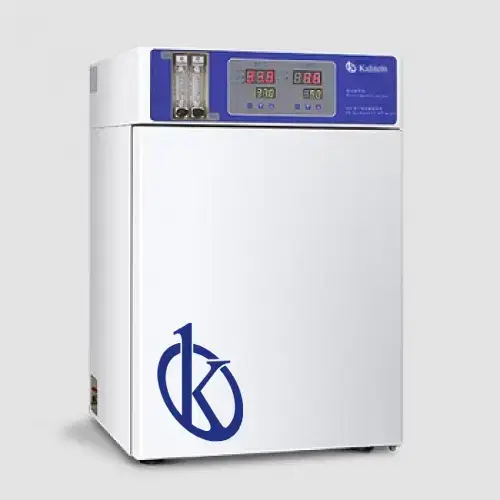
CO₂ Incubators: Common Mistakes and How to Avoid Them in Daily Operation 2026
What is it used for in 2026
CO₂ incubators are pivotal for tissue, cell, and bacterial cultures, serving key roles in immunology, oncology, genetics, and essential bioengineering processes. They are extensively utilized in microbial science, agricultural research, and the production of pharmaceuticals. The environmental conditions provided inside these incubators simulate natural growth conditions, ensuring optimal growth for cultures.
History and evolution of the technology
The CO₂ incubator has evolved significantly since its inception, transitioning from basic models to advanced systems equipped with microprocessor controls and environmental monitoring capabilities. Originally designed to maintain CO₂ levels manually, modern incubators now feature automated systems that enhance user convenience and reliability.
How to use it step by step
- Prepare the samples to be cultured and place them in suitable vessels.
- Set the desired temperature and CO₂ concentration based on the specific requirements for your cultures.
- Ensure that the incubator is clean and disinfected before use.
- Load the samples into the incubator carefully, avoiding contamination.
- Regularly monitor the environmental parameters to ensure optimal conditions are maintained.
- After the incubation period, remove the samples for analysis or further experimentation.
Best techniques and protocols
Using CO₂ incubators effectively requires adherence to established protocols such as:
- Regular calibration of CO₂ sensors to ensure accuracy.
- Utilizing appropriate materials for culture vessels to avoid interaction with the incubator environment.
- Implementing standardized cleaning and maintenance schedules to prevent cross-contamination.
Practical applications by laboratory type
CO₂ incubators find application in various laboratory types including:
- Research Laboratories: For cellular research and drug development.
- Clinical Laboratories: For pathogenic culture and diagnostic testing.
- Biotechnology Firms: In the development of bioproducts and therapies.
Regulations, standards and certifications
Laboratories utilizing CO₂ incubators must comply with various regulations and standards such as ISO 9001 for quality management, ISO 13485 for medical devices, and specific lab safety protocols. Adhering to these ensures reliable operation and safety in laboratory practices.
Comparison with alternative technologies
Compared to other incubation technologies, CO₂ incubators provide superior control over gas concentrations, temperature stability, and humidity levels. While alternative systems such as air-jacketed incubators offer certain advantages, CO₂ incubators remain the preferred choice for sensitive biological cultures.
Comparison of available models
| Model | Best for | Key specs | Recommended use case |
|---|---|---|---|
| YR02048 | Cell and tissue cultures | Temperature range: RT + 5 ~ 60℃, CO2 control: 0 ~ 20% | Ideal for agricultural research and microbiology. |
| YR02049 | Cell cultures | Temperature range: RT + 5 ~ 60℃, CO2 control: 0 ~ 20% | Perfect for vaccine development and pharmacology. |
| YR02049-1 | Microbiology research | Temperature range: RT + 5 ~ 55℃, CO2 control: 0 ~ 20% | Best suited for pathology and life sciences. |
Common mistakes and how to avoid them
Common mistakes in the operation of CO₂ incubators include:
- Neglecting calibration: Regular calibration of CO₂ sensors is crucial for accurate gas levels.
- Improper loading: Overloading the incubator can disrupt airflow and temperature stability.
- Inadequate cleaning: Not maintaining cleanliness can lead to contamination and skewed results.
Maintenance, calibration and good practices 2026
To ensure longevity and accurate performance of CO₂ incubators, follow these best practices:
- Conduct regular maintenance checks and calibration for every six months.
- Implement strict cleaning protocols using appropriate disinfectants.
- Monitor and log temperature and CO₂ levels for quality control.
Cost-benefit analysis 2026
The initial investment in a CO₂ incubator may be significant, but the return on investment is high due to improved productivity, reliability, and the quality of results. The cost of maintenance and operational expenses must also be considered against the potential advancements in research and development outcomes.
Frequently asked questions
What are the key factors to consider when selecting a CO₂ incubator?
When selecting a CO₂ incubator, consider the temperature range, CO₂ control accuracy, interior dimensions, and specific features such as built-in UV sterilization options.
How often should I calibrate my CO₂ incubator?
It is recommended to calibrate your CO₂ incubator at least every six months to ensure accurate readings and optimal performance.
Can I use a CO₂ incubator for cultures other than cells?
Yes, CO₂ incubators are suitable for various cultures, including tissues and bacteria, making them versatile for multiple laboratory applications.
What are the common signs that my CO₂ incubator needs maintenance?
Signs include inaccurate temperature readings, fluctuations in CO₂ levels, and unusual error messages from the control panel.
Is it necessary to use distilled water for humidification?
Using distilled water is recommended as it prevents mineral buildup and ensures optimal humidity levels inside the incubator.
What precautions should I take when loading samples into the incubator?
Ensure that samples are loaded gently to avoid spills, and never overcrowd the shelves to facilitate proper airflow and temperature distribution.
How can I request a quote for a CO₂ incubator?
To request a quote, please reach out through the designated contact channels for assistance with your needs.
If you are looking for a fusion of innovation and quality, you have come to the right place. At Kalstein, we offer you the luxury of exploring our exclusive catalog of laboratory equipment. We manufacture every device to the highest standards of excellence. Our intuitive and seamless online purchasing channels are designed for your convenience, securing the most competitive prices. Hesitate no longer — we bring science to life, it is time to become part of our community.