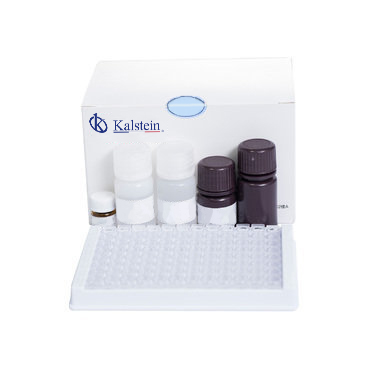
Clinical Chemistry Reagents: Best Techniques and Protocols 2026
In the realm of laboratory diagnostics, Clinical Chemistry Reagents serve as fundamental tools for biochemical analyses. With the continuous evolution of technology, it is crucial for laboratory professionals to stay informed about the best practices, applications, and techniques available in 2026. This article aims to provide an in-depth understanding of Clinical Chemistry Reagents, how to effectively use them, and the best protocols and techniques for optimal results.
What is it used for in 2026
In 2026, Clinical Chemistry Reagents are pivotal in various laboratory applications including the assessment of liver function, cardiac enzyme indexes, renal function tests, and electrolyte measurements in blood gas analyses. These reagents are specifically formulated to deliver accurate biochemical results, enabling healthcare professionals to make informed decisions regarding patient care.
History and evolution of the technology
The history of Clinical Chemistry Reagents traces back to the early days of laboratory diagnostics, where simple tests were performed using basic reagents. Over the decades, advancements in chemistry and technology have led to the development of more sophisticated reagents tailored for specific biochemical assays. The introduction of automated analyzers and the integration of digital technology have further enhanced the accuracy and efficiency of laboratory testing, marking a significant evolution in the field.
How to use it step by step
Using Clinical Chemistry Reagents involves several critical steps to ensure accurate results:
- Preparation: Gather all necessary samples, reagents, and equipment. Ensure that all materials are at room temperature and properly labeled.
- Calibration: Calibrate analytical equipment according to manufacturer specifications to ensure precision.
- Mixing: Follow the specific reagent instructions for mixing proportions. For example, with YRA1, combine R1 and R2 to achieve the desired concentrations.
- Testing: Apply the mixture to the sample following the recommended testing procedure for each reagent.
- Analysis: Analyze the results using appropriate methods, documenting all findings accurately.
Best techniques and protocols
In 2026, the most effective techniques for using Clinical Chemistry Reagents involve:
- Adhering to IFCC recommended methods for enzymatic assays, ensuring compliance and accuracy.
- Utilizing automated systems for sample processing to reduce human error.
- Implementing quality control measures to verify the integrity of results.
Practical applications by laboratory type
Different types of laboratories utilize Clinical Chemistry Reagents in various ways:
- Clinical Laboratories: Used extensively for routine diagnostic tests, such as liver function and renal panels.
- Research Laboratories: Applied in biochemical research to explore metabolic pathways and enzyme kinetics.
- Emergency Departments: Essential for rapid assessment of cardiac enzymes and electrolyte levels in trauma cases.
Regulations, standards and certifications
Compliance with regulatory standards is paramount in laboratory settings. Clinical Chemistry Reagents must meet the guidelines set by organizations such as:
- The Clinical and Laboratory Standards Institute (CLSI)
- The International Organization for Standardization (ISO)
- The Food and Drug Administration (FDA)
Comparison with alternative technologies
When comparing Clinical Chemistry Reagents with alternative testing technologies, such as point-of-care devices or other analytical methods, it is essential to consider:
- Accuracy: Traditional reagents often provide higher accuracy for complex analyses.
- Cost: Clinical Chemistry Reagents may offer a more cost-effective solution for high-throughput laboratories.
- Flexibility: These reagents can be used across a broader range of tests compared to specialized devices.
Comparison of available models
| Model | Best for | Key specs | Recommended use case |
|---|---|---|---|
| YRA1 | Liver function tests | R1:48mlx2 R2:12mlx2 120ml | Routine biochemical analysis |
| YRA2 | Cardiac enzyme assays | R1:48mlx2 R2:12mlx2 120ml | Emergency department use |
| YRA3 | GGT measurement | R1:48mlx2 R2:16mlx2 128ml | Research applications |
| YRA4 | Albumin testing | R:20mlx8 160ml | Clinical diagnostics |
| YRA5 | Total bilirubin analysis | R1:48mlx2 R2:12mlx2 120ml | Routine laboratory settings |
| YRA6 | TBIL oxidative measurement | R1:48mlx2 R2:12mlx2 120ml | Advanced testing scenarios |
Common mistakes and how to avoid them
Laboratory professionals should be aware of common pitfalls when using Clinical Chemistry Reagents:
- Incorrect Mixing: Always follow the specific mixing ratios to avoid inaccurate results.
- Ignoring Calibration: Regular calibration of instruments is critical for maintaining accuracy.
- Incorrect Sample Handling: Ensure samples are stored and processed correctly to prevent degradation.
Maintenance, calibration and good practices 2026
Effective maintenance and calibration are essential for the longevity and reliability of Clinical Chemistry Reagents:
- Perform routine calibration of all analytical instruments before use.
- Store reagents at recommended temperatures and away from direct light.
- Regularly check expiration dates and discard outdated reagents to ensure quality.
Cost-benefit analysis 2026
In 2026, conducting a cost-benefit analysis for Clinical Chemistry Reagents involves evaluating:
- The initial investment versus long-term operational costs.
- Efficiency gains from automation and reduced processing times.
- The impact on diagnostic accuracy and patient outcomes.
Frequently asked questions
What is the best way to choose a Clinical Chemistry Reagent?
Choosing the right Clinical Chemistry Reagent depends on factors such as the type of analysis required, the specific assays being performed, and compatibility with existing laboratory equipment.
How do I ensure accuracy in my results?
To ensure accuracy, it is vital to calibrate instruments regularly, use quality control samples, and follow the manufacturer's protocols strictly.
Can I use different brands of reagents together?
Mixing different brands of reagents is generally not recommended unless specified by the manufacturer, as it can affect result reliability.
What are the storage requirements for these reagents?
Storage requirements vary by reagent but generally include keeping them at specific temperatures and avoiding exposure to light and moisture.
How often should I perform maintenance on my instruments?
Maintenance should be performed according to the manufacturer's guidelines, typically on a scheduled basis, to ensure optimal performance.
What should I do if I suspect contamination?
If contamination is suspected, immediately stop using the affected reagents, dispose of them safely, and investigate the source of contamination.
How can I request a quote for Clinical Chemistry Reagents?
You can request a quote by contacting your supplier or manufacturer directly, ensuring you provide details on the specific reagents you are interested in.
If you are looking for a fusion of innovation and quality, you have come to the right place. At Kalstein, we offer you the luxury of exploring our exclusive catalog of laboratory equipment. We manufacture every device to the highest standards of excellence. Our intuitive and seamless online purchasing channels are designed for your convenience, securing the most competitive prices. Hesitate no longer — we bring science to life, it is time to become part of our community.