Chest Freezers: Practical Applications and Techniques 2026
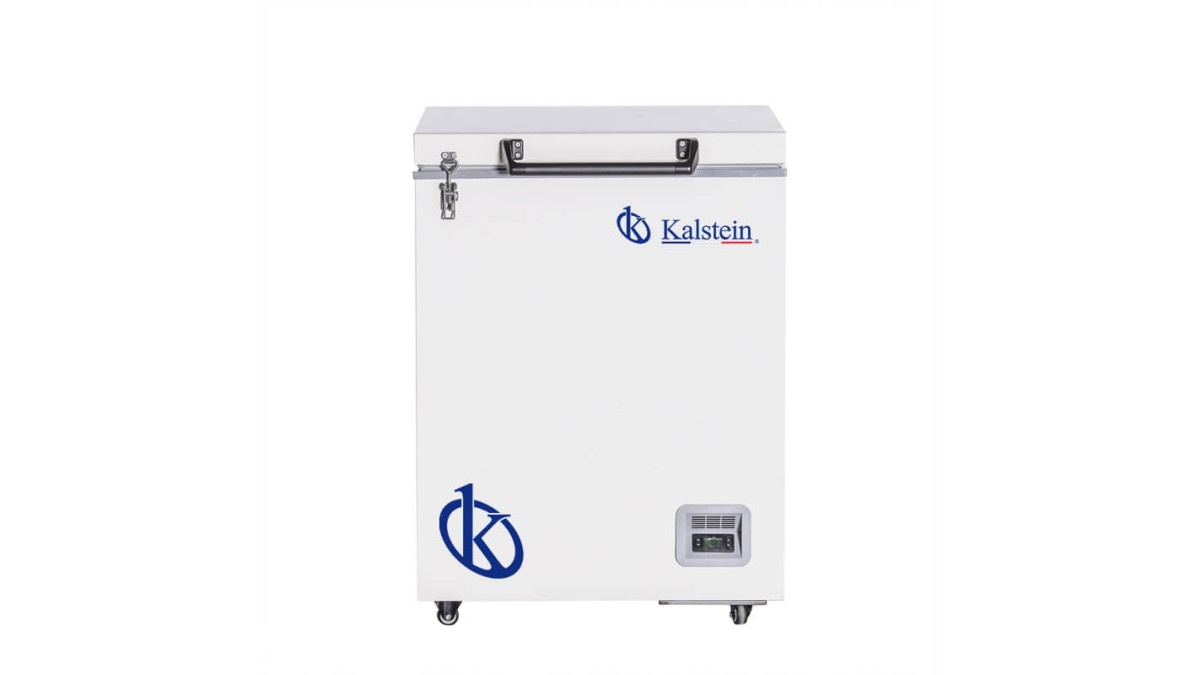
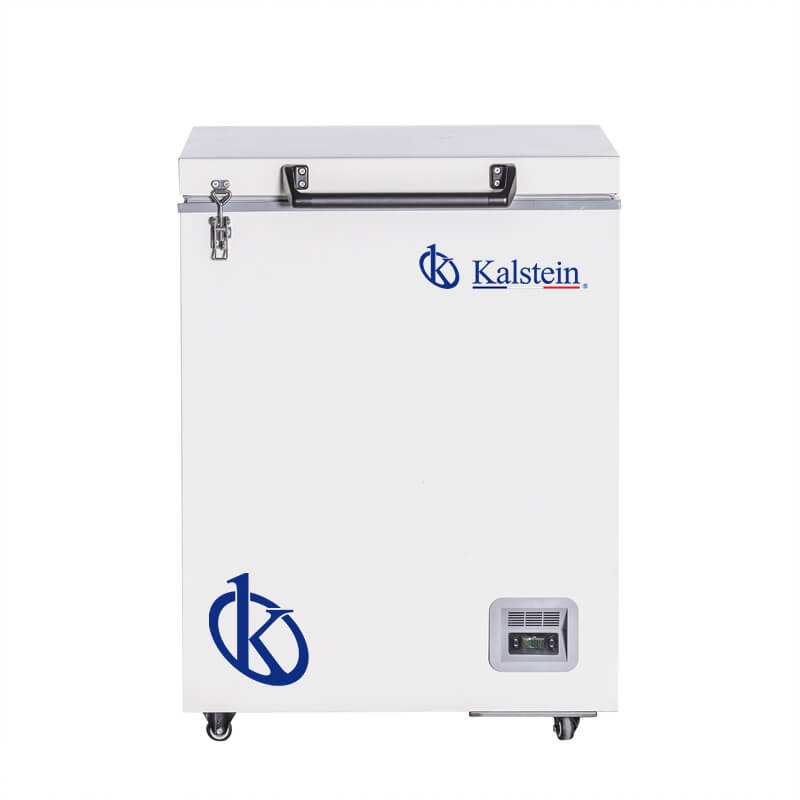
Chest freezers are essential in various laboratory settings, especially within biotechnology and academic environments. Their primary role is to provide stable, low-temperature storage for biological samples, reagents, and sensitive materials that require consistent cooling. As we delve into the applications, history, and best practices associated with these devices, we will explore how to maximize their potential in laboratory workflows.
What is it used for in 2026
In 2026, chest freezers are predominantly utilized for the preservation of biological samples, including vaccines, enzymes, and other critical materials that need to be stored at low temperatures. Their ability to maintain stable temperatures makes them crucial in laboratories that deal with sensitive materials, including hospitals, research institutions, and biotechnology firms. The advanced features of modern chest freezers, such as programmable temperature settings and safety alarms, enhance their reliability for long-term storage solutions.
History and evolution of the technology
The technology behind chest freezers has significantly evolved over the decades. Initially, freezers used mechanical compressors and volatile refrigerants, with limited temperature control capabilities. The introduction of microprocessor control systems revolutionized the industry, allowing for precise temperature adjustments and improved energy efficiency. Today, models such as the YR05102 and YR05314 employ advanced cooling technologies and eco-friendly refrigerants, making them safer and more efficient options for laboratory use.
How to use it step by step
Using a chest freezer effectively involves several key steps:
- Installation: Choose a suitable location that allows for proper ventilation and easy access. Ensure the unit is level and plug it into a stable power source.
- Initial Setup: Set the desired temperature using the digital control panel. It is essential to allow the freezer to reach the set temperature before placing items inside.
- Loading Samples: Organize samples in appropriate containers, ensuring they are labeled clearly. Avoid overloading the freezer to maintain optimal air circulation.
- Monitoring: Regularly check the temperature display and alarm indicators to ensure the unit is functioning correctly.
- Maintenance: Schedule routine maintenance, including cleaning and defrosting as needed, to prolong the lifespan of the freezer.
Best techniques and protocols
To optimize the usage of chest freezers, consider implementing the following techniques and protocols:
- Temperature Logging: Use data loggers to monitor temperature fluctuations over time, ensuring sample integrity.
- Cold Chain Management: Maintain a consistent cold chain by minimizing door openings and ensuring quick retrieval of samples.
- Inventory Management: Keep an up-to-date inventory of stored materials to facilitate quick access and prevent unnecessary searches.
Practical applications by laboratory type
Different laboratories utilize chest freezers for various applications, including:
- Clinical Laboratories: Storage of biological specimens, vaccines, and blood products.
- Research Institutions: Preservation of reagents and samples for experimental purposes.
- Biotechnology Companies: Long-term storage of enzymes, plasmids, and cultures critical for ongoing projects.
Regulations, standards and certifications
Laboratories must adhere to strict regulations and standards when using chest freezers, including:
- Compliance with National Institute of Standards and Technology (NIST) guidelines for temperature monitoring.
- ISO certification for quality management systems related to laboratory equipment.
- Good Laboratory Practice (GLP) regulations, ensuring reliable quality control of stored materials.
Comparison with alternative technologies
When evaluating chest freezers against alternative technologies, several factors come into play:
- Compared to Upright Freezers: Chest freezers typically provide better insulation and lower energy costs, albeit with less accessibility.
- Compared to Liquid Nitrogen Storage: Chest freezers are more practical for daily use and easier to manage, while liquid nitrogen systems are better for ultra-low temperature needs.
Comparison of available models
| Model | Best for | Key specs | Recommended use case |
|---|---|---|---|
| YR05102 | General laboratory use | Temperature range: -10 to -40 °C, Power: 160W | Ideal for standard biological sample storage. |
| YR05103 | Academic research | Temperature range: -10 to -40 °C, Power: 150W | Great for research institutions needing reliable sample storage. |
| YR05104 | High-capacity storage | Temperature range: -20 to -40 °C, Power: 295W | Recommended for labs with extensive sample collections. |
| YR05314 | Ultra-low temperature needs | Temperature range: -40 to -86 °C, Power: 670W | Perfect for storing sensitive biological specimens. |
| YR05313 | Small-scale ultra-low storage | Temperature range: -40 to -86 °C, Power: 500W | Best for smaller labs requiring ultra-low storage solutions. |
| YR05315 | Biomedical applications | Temperature range: -25 to -60 °C, Power: 380W | Ideal for vaccine and biological material preservation. |
Common mistakes and how to avoid them
Laboratory professionals often make certain errors while using chest freezers, including:
- Overloading: Avoid filling the freezer beyond its capacity, as this impedes airflow and can lead to inconsistent temperatures.
- Ignoring Alarms: Always respond promptly to alarms; neglecting them can compromise sample integrity.
- Inadequate Maintenance: Regular maintenance is crucial. Schedule cleaning and monitoring to prevent breakdowns.
Maintenance, calibration and good practices 2026
To ensure optimal performance of chest freezers, implement the following maintenance practices:
- Regular Calibration: Calibrate temperature sensors quarterly to ensure accurate readings.
- Defrosting: Defrost manual models periodically to maintain efficiency and prevent ice build-up.
- Routine Cleaning: Clean the interior and exterior surfaces regularly to prevent contamination.
Cost-benefit analysis 2026
When considering the investment in a chest freezer, evaluate the following:
- Initial Costs: The upfront price of the model may vary significantly based on storage capacity and technology.
- Operational Costs: Assess energy consumption over time, as energy-efficient models can reduce long-term expenses.
- Sample Preservation: The ability to preserve valuable samples can yield high returns on investment, especially in research-intensive environments.
Frequently asked questions
What is the ideal temperature setting for storing biological samples?
The ideal temperature generally depends on the specific type of sample, but most biological samples should be stored between -20°C to -40°C to ensure longevity.
How often should I check the temperature of my chest freezer?
It is recommended to check the temperature daily and to use a temperature monitoring device for continuous logging.
Can I store different types of samples together in a chest freezer?
While it is possible to store different samples together, it’s best to segregate them based on specific temperature needs and sensitivity to cross-contamination.
What maintenance do chest freezers require?
Chest freezers should undergo regular cleaning, calibration of sensors, and periodic defrosting to maintain optimal performance.
How do I know when to replace my chest freezer?
Signs to replace include frequent breakdowns, inability to maintain temperature, and excessive energy consumption compared to newer models.
What safety features should I look for in a chest freezer?
Look for features such as temperature alarms, secure locking mechanisms, and robust insulation to prevent external temperature influence.
If you are looking for a fusion of innovation and quality, you have come to the right place. At Kalstein, we offer you the luxury of exploring our exclusive catalog of laboratory equipment. We manufacture every device to the highest standards of excellence. Our intuitive and seamless online purchasing channels are designed for your convenience, securing the most competitive prices. Hesitate no longer — we bring science to life, it is time to become part of our community.