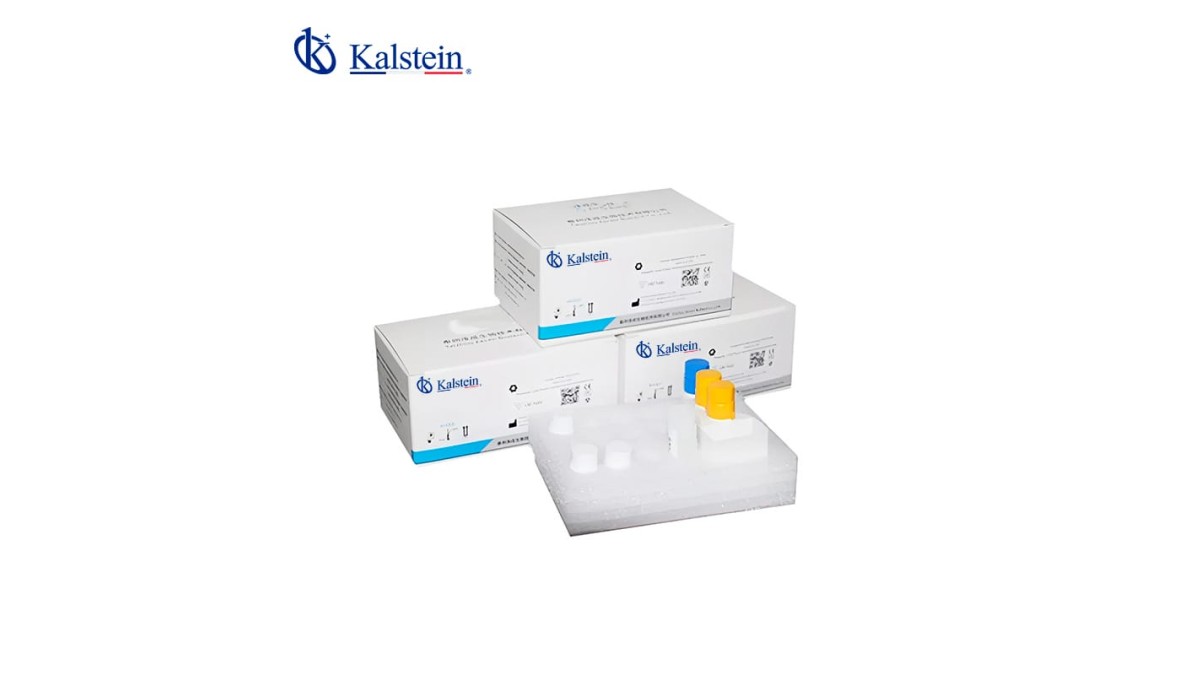

Chemiluminescence Reagent: Practical Usage Guide Step by Step 2026
What is it used for in 2026
Chemiluminescence reagents are widely utilized in laboratories to detect various analytes through highly sensitive and specific immunoassays. In 2026, these reagents play a critical role in diagnosing thyroid diseases, hormone levels, and other vital biochemical assays. The sensitivity and precision of chemiluminescence techniques facilitate the monitoring of patient health, leading to timely interventions. The advent of advanced chemiluminescence reagents has markedly improved the efficiency of laboratory workflows, providing rapid results that are essential for patient care.
History and evolution of the technology
The technology behind chemiluminescence dates back to the early 20th century when researchers discovered naturally occurring luminescent reactions. Over the decades, the field has evolved with the introduction of synthetic reagents and the development of more sophisticated detection systems. By the turn of the millennium, chemiluminescence became a standard in immunoassay techniques, thanks to its ability to provide high sensitivity and specificity. As of 2026, innovations in chemiluminescence reagents continue to enhance their performance and expand their applications across various laboratory settings.
How to use it step by step
The following steps outline a typical procedure for using chemiluminescence reagents in a laboratory setting:
- Preparation: Gather all necessary materials, including the chemiluminescence reagent kits, assay plates, pipettes, and buffers.
- Calibration: Perform instrument calibration according to the manufacturer's guidelines to ensure accurate readings.
- Sample Preparation: Prepare patient samples as per the specific assay protocol, often involving dilution or treatment with buffers.
- Assay Setup: Add the prepared samples and controls into designated wells of the assay plate, following the recommended layout.
- Incubation: Allow adequate time for binding reactions to occur, typically involving gentle shaking or stirring.
- Detection: Add the chemiluminescence reagent to the wells and incubate as specified, followed by reading the luminescence using a compatible detection system.
- Analysis: Analyze the results using appropriate software to interpret the luminescence signals and determine concentrations of analytes.
Best techniques and protocols
To ensure optimal results when using chemiluminescence reagents, adhere to the following best practices:
- Always follow the manufacturer's instructions for each specific reagent kit.
- Maintain a clean and organized workspace to prevent contamination.
- Use calibrated pipettes for accurate sample dispensing.
- Ensure all reagents are stored properly to maintain their efficacy.
- Regularly calibrate and maintain detection equipment to ensure consistent performance.
Practical applications by laboratory type
Chemiluminescence reagents find applications across various types of laboratories:
- Clinical Diagnostics Labs: Used extensively for thyroid function tests, hormone assays, and infectious disease diagnostics.
- Research Laboratories: Employed in various research settings to quantify proteins, antibodies, and other biomolecules.
- Pharmaceutical Labs: Useful in drug development and testing phases, particularly for bioanalytical assessments.
Regulations, standards and certifications
In 2026, laboratories using chemiluminescence reagents must comply with several regulations, standards, and certifications to ensure safety and accuracy. Key certifications include:
- ISO 13485 for quality management systems in medical devices.
- CE marking to ensure compliance with European health, safety, and environmental protection legislation.
- FDA regulations governing laboratory developed tests (LDTs) and commercial assays.
Comparison with alternative technologies
When comparing chemiluminescence reagents to alternative technologies such as ELISA or fluorescence assays, several key advantages and disadvantages emerge:
- Advantages:
- Higher sensitivity and specificity.
- Faster turnaround times for results.
- Lower background noise compared to fluorescence.
- Disadvantages:
- Can be more expensive than traditional methods.
- Requires specialized detection equipment.
Comparison of available models
| Model | Best for | Key specs | Recommended use case |
|---|---|---|---|
| YRA279 | Comprehensive thyroid analysis | Price: $15.00, Storage: 2-8°C | Routine thyroid function tests |
| YRA280 | Comprehensive thyroid analysis | Price: $15.00, Storage: 2-8°C | Routine thyroid function tests |
| YRA281 | Comprehensive thyroid analysis | Price: $15.00, Storage: 2-8°C | Routine thyroid function tests |
| YRA282 | Comprehensive thyroid analysis | Price: $15.00, Storage: 2-8°C | Routine thyroid function tests |
| YRA283 | Comprehensive thyroid analysis | Price: $15.00, Storage: 2-8°C | Routine thyroid function tests |
| YRA284 | Comprehensive thyroid analysis | Price: $35.00, Storage: 2-8°C | Routine thyroid function tests |
Common mistakes and how to avoid them
To maximize the effectiveness of chemiluminescence reagents, avoid the following common mistakes:
- Neglecting to calibrate equipment regularly, leading to inaccurate results.
- Failing to adhere to incubation times, which can compromise assay sensitivity.
- Using expired reagents, which can affect performance.
- Inadequate mixing of samples and reagents, which may lead to suboptimal reactions.
Maintenance, calibration and good practices 2026
In 2026, maintaining and calibrating chemiluminescence equipment is crucial for reliable results:
- Perform regular maintenance as per the manufacturer's guidelines.
- Calibrate detection systems frequently using standardized controls.
- Keep all reagents at recommended storage temperatures to ensure efficacy.
- Document all maintenance and calibration activities for compliance purposes.
Cost-benefit analysis 2026
When considering the investment in chemiluminescence reagents, evaluate the following:
- Initial Costs: While chemiluminescence reagents may have higher upfront costs, their sensitivity can reduce the need for repeat testing.
- Operational Efficiency: Faster results enable quicker clinical decision-making, improving overall laboratory throughput.
- Patient Outcomes: Enhanced diagnostic accuracy can lead to better patient management, ultimately reducing long-term healthcare costs.
Frequently asked questions
What types of assays can be performed with chemiluminescence reagents?
Chemiluminescence reagents can be used for a variety of assays, particularly in immunology and endocrinology, including thyroid hormone tests, infectious disease assays, and biomarker detection.
How do I choose the right chemiluminescence reagent for my lab?
Consider factors such as the specific analytes you need to test, the sensitivity and specificity required, as well as the cost and availability of the reagents.
What are the optimal storage conditions for chemiluminescence reagents?
Most chemiluminescence reagents should be stored at temperatures between 2-8°C, but always refer to the specific manufacturer's guidelines for each reagent.
Can chemiluminescence assays be automated?
Yes, many chemiluminescence assays can be automated using compatible laboratory equipment, making them suitable for high-throughput testing environments.
What is the typical shelf life of chemiluminescence reagents?
The typical shelf life varies by manufacturer but is usually between 12 to 24 months. Always check the expiration date on the packaging.
How can I ensure accuracy in my chemiluminescence assays?
To ensure accuracy, adhere to all manufacturer instructions, calibrate equipment regularly, and use control samples to validate your results.
Where can I request a quote for chemiluminescence reagents?
You can request a quote for chemiluminescence reagents through our online channels, which provide competitive pricing and a user-friendly experience.
If you are looking for a fusion of innovation and quality, you have come to the right place. At Kalstein, we offer you the luxury of exploring our exclusive catalog of laboratory equipment. We manufacture every device to the highest standards of excellence. Our intuitive and seamless online purchasing channels are designed for your convenience, securing the most competitive prices. Hesitate no longer — we bring science to life, it is time to become part of our community.