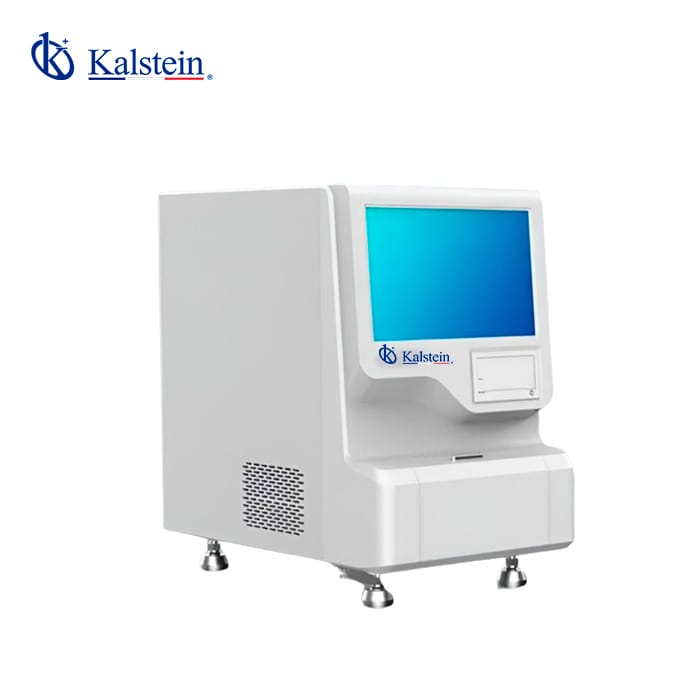
Chemiluminescence Immunoassay Analyzers: Practical Applications and Techniques 2026
What is it used for in 2026
Chemiluminescence Immunoassay Analyzers are essential tools in modern clinical laboratories, primarily used for the quantitative and qualitative detection of specific antigens or antibodies in biological samples. In 2026, these analyzers are increasingly being utilized for early disease detection, monitoring of chronic conditions, and guiding treatment decisions. Their high sensitivity and specificity allow for accurate results in a timely manner, making them indispensable in areas such as infectious disease testing, hormone level assessments, and tumor marker analysis.
History and evolution of the technology
The development of chemiluminescence immunoassays dates back several decades, with roots in the need for more accurate and faster diagnostic methods. The initial use of chemiluminescence in immunoassays has transformed through advancements in technology. Early models were limited in throughput and complexity, but modern Chemiluminescence Immunoassay Analyzers, such as those available in 2026, feature automation, dual-camera systems, and the capability to handle a wide variety of sample types simultaneously. This evolution has made them more accessible and reliable, paving the way for their widespread adoption in clinical laboratories worldwide.
How to use it step by step
Using Chemiluminescence Immunoassay Analyzers involves several critical steps to ensure optimal performance and accuracy:
- Preparation: Gather all necessary reagents, samples, and controls. Ensure that the analyzer is calibrated and maintained according to manufacturer specifications.
- Sample Loading: Load samples into the analyzer's sample tray, ensuring that they are properly labeled and not expired.
- Setting Parameters: Input the assay parameters into the analyzer, selecting the appropriate test type and method.
- Initiating the Run: Start the assay by executing the test protocol on the analyzer. Monitor the process to ensure there are no interruptions.
- Results Interpretation: Once the assay is complete, retrieve results and interpret them based on clinical guidelines and protocols.
- Documentation: Document results accurately in the lab information system for traceability and review.
Best techniques and protocols
To achieve the best results when using Chemiluminescence Immunoassay Analyzers, laboratories should adhere to the following techniques and protocols:
- Use of Calibrators: Regularly calibrate the system using standard calibrators to ensure accuracy.
- Quality Control: Implement a rigorous quality control process with known control samples to validate results.
- Sample Integrity: Always check sample integrity and avoid hemolyzed or lipemic samples, which can affect results.
- Batch Testing: When possible, run tests in batches to optimize efficiency and reduce reagent wastage.
- Regular Maintenance: Follow the manufacturer's guidelines for regular maintenance to prevent downtimes and ensure reliability.
Practical applications by laboratory type
Chemiluminescence Immunoassay Analyzers find application across various laboratory types:
- Clinical Laboratories: For routine tests including hormone levels, infectious diseases, and vitamin assays.
- Hospital Laboratories: Ideal for emergency departments needing rapid testing for critical conditions.
- Research Laboratories: Used in clinical research to study disease markers and drug efficacy.
- Public Health Laboratories: For surveillance and monitoring of outbreaks through serological assessments.
Regulations, standards and certifications
Compliance with regulations and standards is vital for laboratories using Chemiluminescence Immunoassay Analyzers. Key certifications include:
- ISO 13485: Ensures quality management systems for medical devices.
- CLIA: Clinical Laboratory Improvement Amendments regulate laboratory testing in the U.S.
- FDA Approval: Certain models must receive FDA approval before being marketed.
Comparison with alternative technologies
Compared to traditional ELISA methods, Chemiluminescence Immunoassay Analyzers offer several advantages:
- Speed: Provide faster results, making them suitable for time-sensitive testing.
- Sensitivity: Typically more sensitive than ELISA, allowing for detection of low-abundance targets.
- Automation: Greater automation capabilities lead to reduced human error and increased throughput.
Comparison of available models
| Model | Best for | Key specs | Recommended use case |
|---|---|---|---|
| YR06387 | High throughput diagnostic tests | Weight: 45 kg, Dimensions: 320 x 550 x 550 mm, Price: $3500 | Clinical environments that require flexibility with sample types |
| YR06388 | Emergency testing with dual functions | Weight: 55 kg, Dimensions: 520 x 550 x 550 mm, Price: $5000 | Suitable for labs needing quick result turnaround |
| YR06389 | Outpatient emergency inspections | Production rate: 120T/h, Results in 15 minutes, Price: $9000 | Efficient for urgent care labs |
| YR06390 | High-volume testing | Processing speed: 220T/h, Results in 15 minutes, Price: $15000 | Great for large hospital settings with high demand |
| YR06710 | Compact testing in limited spaces | Coverage area: 0.4 m², Price: $109 | Ideal for emergency departments with space constraints |
Common mistakes and how to avoid them
To ensure optimal performance of Chemiluminescence Immunoassay Analyzers, avoid these common pitfalls:
- Improper Calibration: Regularly calibrate the analyzers according to the manufacturer's schedule and protocol.
- Ignoring Quality Control: Always run control samples to validate results and ensure reliability.
- Overloading Samples: Follow the manufacturer's guidelines for sample load capacities to prevent errors.
- Neglecting Maintenance: Schedule and perform routine maintenance and updates to software as recommended.
Maintenance, calibration and good practices 2026
Regular maintenance and calibration are crucial for the longevity and accuracy of Chemiluminescence Immunoassay Analyzers:
- Daily Checks: Inspect for any visible wear or malfunctions before operation.
- Monthly Maintenance: Clean components and replace any consumables as per recommendations.
- Calibration: Perform calibration at least once a month or as required by your local regulations.
- Record Keeping: Maintain detailed logs of all maintenance and calibration activities for accountability.
Cost-benefit analysis 2026
When considering the investment in Chemiluminescence Immunoassay Analyzers, it is important to analyze both costs and benefits:
- Initial Investment: The upfront cost can be high, particularly for the high-throughput models.
- Operational Efficiency: Automation reduces labor costs and increases throughput, justifying the investment over time.
- Accuracy and Reliability: Improved diagnostic accuracy leads to better patient outcomes, enhancing the overall value of the investment.
Frequently asked questions
What are the advantages of using Chemiluminescence Immunoassay Analyzers over traditional methods?
Chemiluminescence Immunoassay Analyzers provide faster results, higher sensitivity, and automation, reducing human error and increasing throughput compared to traditional methods like ELISA.
How often should I calibrate my Chemiluminescence Immunoassay Analyzer?
Calibration should be performed at least once a month or as specified by the manufacturer to ensure accurate results.
Can these analyzers handle different sample types?
Yes, most models can process various sample types, including serum, plasma, and urine, depending on the assay being conducted.
What is the best practice for quality control in using these analyzers?
Implement a rigorous quality control program that includes regular testing of control samples alongside patient samples to validate results.
What are common maintenance tasks for these analyzers?
Common maintenance tasks include regular cleaning of components, checking for wear, and ensuring the calibration is up to date.
How does the cost of Chemiluminescence Immunoassay Analyzers compare with their benefits?
While the initial investment may be high, the increased efficiency, accuracy, and improved patient outcomes typically justify the costs over time.
Where can I request a quote for purchasing a Chemiluminescence Immunoassay Analyzer?
To get a quote for purchasing Chemiluminescence Immunoassay Analyzers, you can reach out directly to our sales team.
If you are looking for a fusion of innovation and quality, you have come to the right place. At Kalstein, we offer you the luxury of exploring our exclusive catalog of laboratory equipment. We manufacture every device to the highest standards of excellence. Our intuitive and seamless online purchasing channels are designed for your convenience, securing the most competitive prices. Hesitate no longer — we bring science to life, it is time to become part of our community.