Chemiluminescence Consumables: A Comprehensive Guide for 2026
In the ever-evolving landscape of laboratory technology, chemiluminescence consumables play a pivotal role in diagnostic assays and clinical evaluations. This article serves as a comprehensive guide for professionals in the field, detailing applications, best practices, and practical workflows related to chemiluminescence consumables in 2026.
What is it used for in 2026
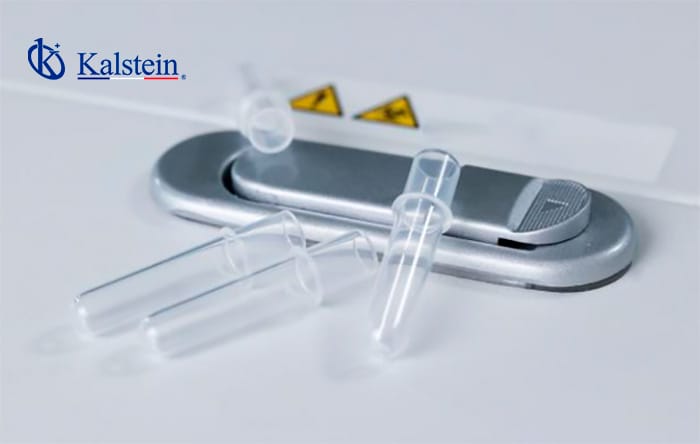
Chemiluminescence consumables are primarily used in immunoassay systems for the detection and quantification of various biomarkers. These consumables, including reaction cuvettes, washing solutions, substrates, and testing strips, facilitate precise diagnostic testing in clinical laboratories. They are essential in various applications, ranging from routine screenings for hormonal levels to advanced disease marker detection.
History and evolution of the technology
The journey of chemiluminescence technology began in the mid-20th century, focusing on the unique properties of light emission during chemical reactions. Over the years, this technology has advanced significantly, incorporating improved materials and methodologies to enhance sensitivity and reduce background noise. The development of specific consumables has allowed laboratories to achieve higher accuracy and reliability in their test results, making chemiluminescence a preferred choice in many diagnostic applications.
How to use it step by step
Using chemiluminescence consumables effectively involves several critical steps:
- Preparation: Ensure all consumables, such as the Reaction Cuvette YRA400 and the System Washing Solution YRA401, are within their expiration dates and stored correctly (e.g., substrates should be refrigerated).
- Setup: Set up the analyzer according to the manufacturer's instructions. Ensure the proper installation of all required consumables.
- Sample Addition: Add the sample specimens to the designated wells or cuvettes as specified by the protocol.
- Reagent Addition: Introduce the necessary substrates, such as Substrate YRA402, ensuring proper dilution ratios are followed.
- Incubation: Allow sufficient time for the reactions to occur, following the recommended incubation times.
- Detection: Use the analyzer to measure light emission, translating this into quantifiable results.
- Cleaning: After the analysis, use System Washing Solution YRA401 to clean the equipment and consumables as necessary to maintain performance.
Best techniques and protocols
Optimizing the use of chemiluminescence consumables requires understanding the best techniques and protocols:
- Standardization: Always use standardized reagents and follow established protocols to ensure reproducibility of results.
- Calibration: Regularly calibrate your analyzers to maintain accuracy in readings.
- Validation: Validate your assay procedures periodically to confirm their reliability and performance.
- Quality Control: Implement a robust quality control program to monitor the performance of consumables and test results.
Practical applications by laboratory type
Chemiluminescence consumables are utilized across various laboratory settings, including:
- Clinical Laboratories: For routine hormonal assays, infectious disease markers, and cancer markers.
- Research Laboratories: In studies involving protein interactions and cellular responses.
- Point-of-Care Testing: For rapid diagnosis in clinical settings, such as pregnancy tests using POCT Consumables Strips YRA404.
Regulations, standards and certifications
It is critical to comply with regulatory standards governing the use of chemiluminescence consumables. Key regulations include:
- CE Certification: Ensures products meet European safety and health standards.
- ISO 13485: Validates the quality management systems for medical devices.
Comparison with alternative technologies
When comparing chemiluminescence to other detection technologies, such as ELISA or fluorescence assays:
- Sensitivity: Chemiluminescence typically offers higher sensitivity.
- Complexity: Chemiluminescence protocols can be simpler, requiring fewer steps than traditional ELISA.
- Detection Range: Chemiluminescence can detect lower concentrations of analytes more effectively than fluorescence methods.
Comparison of available models
| Model | Best for | Key specs | Recommended use case |
|---|---|---|---|
| YRA400 | Reaction cuvettes for CLIA analyzers | 1000 pcs/bag, CE, ISO13485 | Routine diagnostic assays |
| YRA401 | Washing solution for clinical immunoassay analyzers | 500 ml/bottle, 300 tests/bottle | Cleaning reagents in CLIA systems |
| YRA402 | Substrates for chemiluminescent assays | 100 ml/bottle, 500 tests | Quantitative detection of ALP |
| YRA404 | POCT consumables for pregnancy testing | 24 tests/box | Early pregnancy diagnosis |
Common mistakes and how to avoid them
Common mistakes when using chemiluminescence consumables include:
- Improper Storage: Always store consumables according to the manufacturer's instructions.
- Incorrect Reagent Preparation: Follow dilution and mixing protocols precisely to avoid errors.
- Neglecting Calibration: Regular calibration of analyzers is essential for accurate results.
Maintenance, calibration and good practices 2026
To ensure the longevity and effectiveness of chemiluminescence consumables, consider the following maintenance practices:
- Regular Cleaning: Clean all equipment thoroughly after each use.
- Calibration Frequency: Calibrate analyzers at regular intervals, preferably daily or weekly.
- Documentation: Maintain records of all maintenance and calibration activities for compliance purposes.
Cost-benefit analysis 2026
Evaluating the cost versus benefits of investing in chemiluminescence consumables reveals:
- Higher Efficiency: Reduced turnaround times for test results.
- Improved Accuracy: Increased sensitivity leads to better detection of analytes.
- Potentially Lower Costs: While initial investments may be higher, the long-term savings from fewer retests can offset these costs.
Frequently asked questions
What are the essential consumables for chemiluminescence assays?
Essential consumables include reaction cuvettes, washing solutions, substrates, and specific testing strips designed for your assays.
How do I select the right substrate for my assays?
The substrate should be chosen based on the specific analyte you are testing for, ensuring compatibility with your detection method.
What precautions should I take when handling chemiluminescence consumables?
Always wear appropriate personal protective equipment (PPE) and follow safety data sheets (SDS) for handling chemicals safely.
Can I use chemiluminescence consumables for point-of-care testing?
Yes, specific consumables like POCT Consumables Strips YRA404 are designed for rapid point-of-care testing, particularly for pregnancy detection.
How often should I calibrate my chemiluminescence analyzer?
Calibration should be done regularly, ideally before each batch of tests or as per your laboratory's quality control standards.
What is the shelf life of chemiluminescence consumables?
Shelf life varies by product; however, it is essential to check expiration dates on packaging and store them as recommended.
How can I avoid errors in my chemiluminescence assays?
Adhere strictly to established protocols, ensure proper calibration of equipment, and maintain high-quality reagents to minimize errors.
If you are looking for a fusion of innovation and quality, you have come to the right place. At Kalstein, we offer you the luxury of exploring our exclusive catalog of laboratory equipment. We manufacture every device to the highest standards of excellence. Our intuitive and seamless online purchasing channels are designed for your convenience, securing the most competitive prices. Hesitate no longer — we bring science to life, it is time to become part of our community.