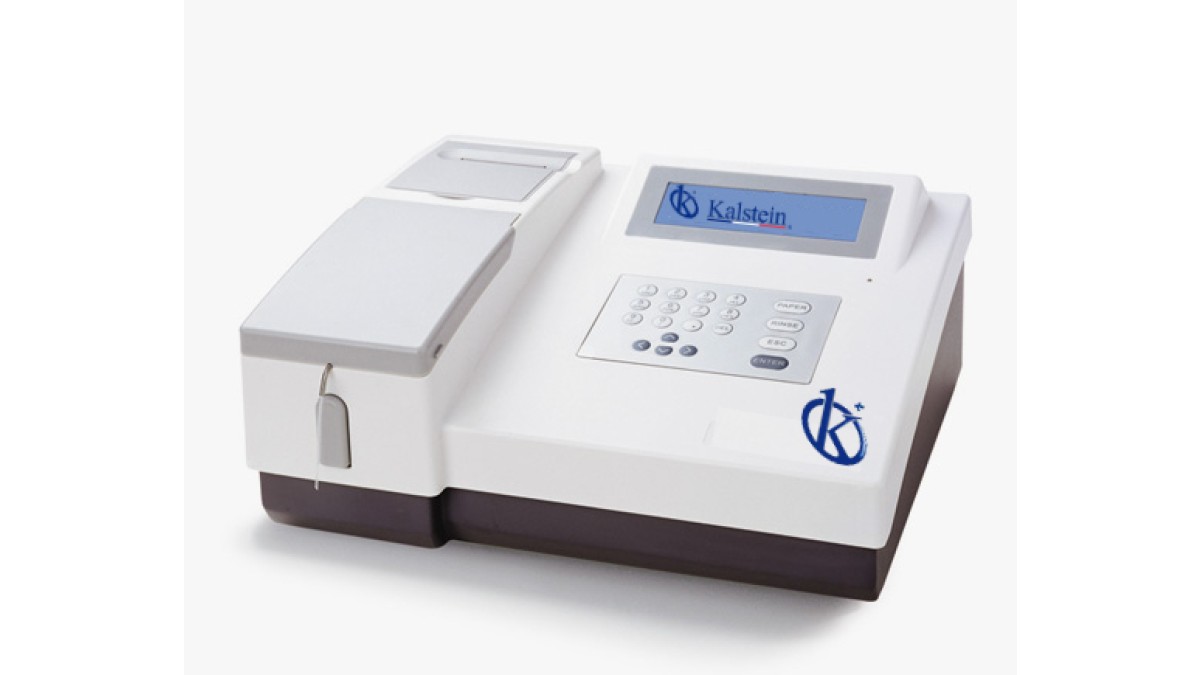
Chemical Analyzers: Practical Applications and Techniques 2026
Chemical analyzers are essential instruments in clinical and hospital laboratories, allowing for the accurate assessment of various biochemical parameters. In 2026, these devices have become more advanced, providing a wide range of options suitable for different laboratory settings. This article explores their practical applications, the technologies behind them, best practices for use, and comparisons among various models.
What is it used for in 2026
In 2026, chemical analyzers are employed in clinical laboratories for routine tests such as liver and kidney function tests, lipid profiles, and cardiac markers. These analyzers facilitate the rapid turnaround of results, essential for timely diagnoses and treatment plans. By accurately measuring analytes in biological samples such as blood and urine, chemical analyzers support the monitoring of patient health and the management of chronic diseases.
History and evolution of the technology
The evolution of chemical analyzers has been significant. Initially, manual methods dominated laboratory practices, leading to time-consuming processes and increased human error. With technological advancements, semi-automatic and automatic analyzers emerged, enhancing throughput and accuracy. Today, features such as touchscreen interfaces, real-time data visualization, and integration with laboratory information systems characterize modern chemical analyzers.
How to use it step by step
To effectively utilize a chemical analyzer, follow these steps: 1. **Preparation**: Ensure the analyzer is properly set up, calibrated, and connected to a power source and data management system. 2. **Sample Collection**: Collect the samples according to the laboratory protocols, ensuring they are stored in appropriate containers. 3. **Setting Parameters**: Input the desired test parameters into the analyzer's interface, selecting the appropriate test mode and sample type. 4. **Running Tests**: Place the samples in the analyzer, and initiate the testing process. Monitor the process via the display screen for any errors or alerts. 5. **Result Analysis**: Once the test is complete, analyze the results and print or transmit them to the relevant database. 6. **Post-Run Procedures**: Clean the analyzer and dispose of any waste materials according to laboratory safety protocols.
Best techniques and protocols
Adopting best practices in using chemical analyzers involves: - Following manufacturer guidelines for calibration and maintenance. - Implementing quality control measures such as running control samples alongside patient samples. - Regular training for laboratory personnel on the latest techniques and features of the analyzers. - Utilizing data management systems for better organization and retrieval of test results.
Practical applications by laboratory type
1. **Clinical Laboratories**: Conduct routine biochemical tests for patient diagnosis and monitoring. 2. **Research Laboratories**: Analyze samples for research studies, utilizing the precision of chemical analyzers for experimental data. 3. **Pharmaceutical Laboratories**: Perform quality control testing for drug manufacturing, ensuring compliance with regulatory standards.
Regulations, standards and certifications
In 2026, chemical analyzers must comply with numerous regulations and standards including: - ISO 15189 for laboratory competence. - CLIA (Clinical Laboratory Improvement Amendments) regulations for laboratory testing. - CE marking for safety and effectiveness in European markets.
Comparison with alternative technologies
While chemical analyzers are vital, alternative technologies such as immunoassays and chromatographic methods are also employed in laboratories. Immunoassays offer specificity for particular biomarkers, while chromatographic methods provide separation and quantification of complex mixtures. The selection of technology often depends on the required sensitivity, specificity, and throughput.
Comparison of available models
| Model | Best for | Key specs | Recommended use case |
|---|---|---|---|
| YR05115 | Routine biochemical testing | 5-inch color LCD, 7 wavelengths, 80 preprogrammed tests | General clinical applications |
| YR05114 | Multi-analyte testing | 5 wavelengths, 80 preprogrammed tests, 10,000 sample memory | Comprehensive test panels |
| YR06092 | Field testing | Portable, adjustable temperature settings | On-site laboratory testing |
| YR06075 | High-throughput laboratories | 560 tests/hour, 12 wavelengths, automated washing system | Large volume testing environments |
| YR05116 | Versatile laboratory use | Windows OS, real-time curve visualization | Dynamic testing requirements |
| YR06078 | Efficient sample processing | 7 wavelengths, touchscreen interface | Routine blood tests |
Common mistakes and how to avoid them
Common errors in using chemical analyzers include: - **Incorrect calibration**: Ensure regular calibration according to the manufacturer’s instructions. - **Sample contamination**: Follow proper sample handling protocols to avoid contamination. - **Neglecting maintenance**: Regular maintenance checks are essential for optimal performance and longevity of the equipment.
Maintenance, calibration and good practices 2026
Maintain chemical analyzers by performing routine calibration, cleaning, and software updates. It is recommended to: - Schedule monthly maintenance checks. - Keep a maintenance log for all equipment. - Train staff on proper handling techniques to reduce wear and tear on the analyzers.
Cost-benefit analysis 2026
Investing in chemical analyzers can be justified through increased efficiency, decreased turnaround times, and improved accuracy in test results. Costs must be weighed against the potential for increased patient throughput, enhanced laboratory capabilities, and the ability to meet regulatory standards.
Frequently asked questions
What are the key factors to consider when choosing a chemical analyzer?
Key factors include the volume of tests required, types of tests needed, space availability in the laboratory, and budget constraints.
How often should chemical analyzers be calibrated?
Calibration should be performed regularly according to the manufacturer’s guidelines, typically before routine use and after major maintenance.
Can chemical analyzers be used for sample types other than blood?
Yes, many chemical analyzers can process various sample types, including urine and other body fluids, depending on the model specifications.
What maintenance is required for chemical analyzers?
Regular maintenance includes cleaning, software updates, and checking calibration settings to ensure accuracy and reliability.
How do I integrate a chemical analyzer into an existing lab workflow?
Integration can be achieved by aligning the analyzer with current laboratory information systems (LIS) and training staff on its operation.
Are there specific protocols for running tests on chemical analyzers?
Yes, each analyzer will have specific protocols outlined in the user manual, including sample preparation, testing procedures, and result interpretation.
If you are looking for a fusion of innovation and quality, you have come to the right place. At Kalstein, we offer you the luxury of exploring our exclusive catalog of laboratory equipment. We manufacture every device to the highest standards of excellence. Our intuitive and seamless online purchasing channels are designed for your convenience, securing the most competitive prices. Hesitate no longer — we bring science to life, it is time to become part of our community.