Car Refractometers: Practical Applications and Techniques 2026
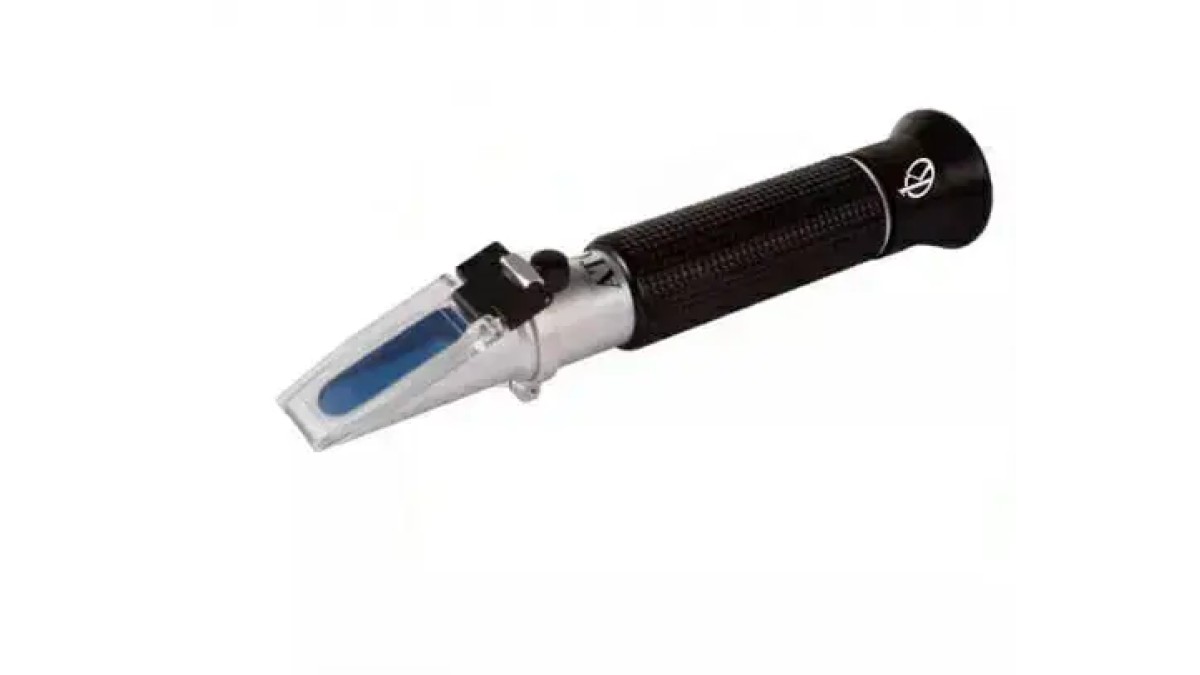
Car refractometers are essential tools in automotive and laboratory settings. They play a crucial role in determining the concentration of antifreeze and windshield washer fluids. In this article, we will explore their applications, the technology's evolution, and best practices for effective usage in 2026.
What is it used for in 2026
In 2026, car refractometers are predominantly used to measure the freezing point of automotive fluids. This includes measuring the concentration of ethylene glycol and propylene glycol in antifreeze solutions. These devices help ensure that vehicles operate efficiently in various temperatures by preventing engine damage caused by freezing fluids. Additionally, they are used in laboratories to test other liquid solutions.
History and evolution of the technology
The technology behind refractometers has evolved significantly since its inception. Initially, refractometers were primarily used in laboratories for testing sugar concentration in liquids. Over the years, advancements in optical technology and materials have allowed for greater precision and a wider range of applications, including automotive fluid testing. The introduction of automatic temperature compensation (ATC) systems has further enhanced their usability in variable temperature environments.
How to use it step by step
Using a car refractometer involves several straightforward steps:
- Preparation: Ensure the refractometer is clean and calibrated. If necessary, refer to the manufacturer’s guidelines for calibration procedures.
- Sample Collection: Collect a sample of the fluid to be tested. Ensure that the sample is representative of the fluid's condition.
- Measurement: Open the refractometer cover, place a few drops of the fluid on the prism, and close the cover gently to avoid air bubbles.
- Read the Value: Look through the eyepiece to read the refractive index or specific gravity on the scale. Ensure adequate lighting for clear visibility.
- Record Results: Document the measurements for analysis or further reference.
- Cleaning: Thoroughly clean the prism with distilled water after each use to maintain accuracy.
Best techniques and protocols
To achieve the best results when using car refractometers, consider the following techniques and protocols:
- Temperature Control: Always measure samples at a consistent temperature, ideally within the ATC range of the device.
- Consistent Sampling: Use the same method for sample collection each time to ensure data consistency.
- Multiple Measurements: Take several readings and calculate the average to account for any anomalies.
- Routine Calibration: Regularly calibrate the refractometer according to the manufacturer’s instructions to maintain accuracy.
Practical applications by laboratory type
Different laboratories utilize car refractometers for various applications:
- Automotive Laboratories: Primarily used for testing antifreeze and windshield washer fluid concentrations.
- Research Laboratories: Employed for research involving fluid dynamics and concentration measurements.
- Quality Control Labs: Used to ensure automotive fluids meet required specifications and standards.
Regulations, standards and certifications
In 2026, adherence to industry regulations and standards is imperative when using car refractometers. Common standards include:
- ASTM E287: Standard Test Methods for Refractive Index of Liquids by Interferometric Method.
- ISO 6621: Guidelines for measuring refractive index in automotive fluids.
- SAE J2030: Specifications for coolant and antifreeze testing methods.
Comparison with alternative technologies
Car refractometers can be compared with alternative technologies such as digital refractometers and hydrometers. While digital refractometers offer ease of use and electronic readings, traditional refractometers provide a more hands-on measurement experience. Hydrometers are more suited for general liquid density measurements but lack the precision of refractometers in specific applications.
Comparison of available models
| Model | Best for | Key specs | Recommended use case |
|---|---|---|---|
| YR05916 | Measuring freezing point for ethylene glycol and propylene glycol | Range: -60°C to 0°C, Precision: ±0.01sg | Automotive fluid testing in extreme cold conditions |
| YR05917 | Measuring freezing point for antifreeze solutions | Range: -60°C to 0°C, Precision: ±0.01sg | Routine checks of antifreeze concentrations |
| YR05918 | General use in automotive fluid testing | Range: -60°F to 32°F, Precision: ±0.01sg | Standard testing of antifreeze and windshield washer fluids |
| YR05919 | Measuring freezing point for various antifreeze types | Range: -60°C to 0°C, Precision: ±0.01sg | Testing mixed antifreeze formulations |
| YR05920 | Widely applicable automotive testing | Range: -60°C to 0°C, Precision: ±0.01sg | Comprehensive fluid testing in automotive labs |
| YR05921 | Monitors antifreeze effectiveness | Range: -60°C to 0°C, Precision: ±0.01sg | Checking performance of antifreeze in vehicles |
Common mistakes and how to avoid them
Common mistakes when using car refractometers include:
- Ignoring temperature effects: Always ensure samples are at the correct temperature for accurate readings.
- Inadequate cleaning: Neglecting to clean the prism can lead to contamination and inaccurate results.
- Wrong calibration: Failing to calibrate the device regularly can result in systematic errors.
To avoid these pitfalls, establish a standard operating procedure (SOP) for using the device, including calibration and cleaning protocols.
Maintenance, calibration and good practices 2026
Proper maintenance and regular calibration are vital for ensuring accurate measurements:
- Daily Cleaning: Rinse the prism with distilled water after every use and dry it with a lint-free cloth.
- Monthly Calibration: Use calibration fluids to check and adjust the refractometer at least once a month.
- Storage: Store the refractometer in a protective case to prevent damage and contamination.
Cost-benefit analysis 2026
Investing in a car refractometer offers substantial benefits:
- Cost-Effective: With prices around $9.50, these tools provide an affordable solution for accurate fluid testing.
- Durability: Kitted with robust materials, these refractometers can withstand the rigors of laboratory environments.
- Precision: Accurate readings reduce the risk of costly errors in fluid management and vehicle maintenance.
Frequently asked questions
How do I choose the right car refractometer?
When selecting a car refractometer, consider the specific temperature range and types of fluids you will be testing. Look for models with automatic temperature compensation for the best accuracy.
What is the importance of calibration?
Calibration ensures that the readings provided by the refractometer are accurate. It compensates for any deviations that may occur over time due to wear or environmental factors.
Can I use a car refractometer for other liquids?
Yes, while they are designed for automotive fluids, car refractometers can be used for testing the concentration of other liquids, provided they fall within the device's measurement range.
What maintenance is required for a car refractometer?
Regular cleaning of the prism, calibration checks, and proper storage are essential for maintaining the functionality and accuracy of a car refractometer.
How often should I calibrate my refractometer?
It is recommended to calibrate your refractometer at least once a month or before significant testing sessions to ensure accurate measurements.
What are the signs of a malfunctioning refractometer?
Inconsistent readings, difficulty focusing through the eyepiece, or visible damage to the prism are signs that the refractometer may need servicing or replacement.
Where can I get a quote for purchasing a refractometer?
You can easily request a quote for purchasing a car refractometer through our online platform for competitive pricing and options.
If you are looking for a fusion of innovation and quality, you have come to the right place. At Kalstein, we offer you the luxury of exploring our exclusive catalog of laboratory equipment. We manufacture every device to the highest standards of excellence. Our intuitive and seamless online purchasing channels are designed for your convenience, securing the most competitive prices. Hesitate no longer — we bring science to life, it is time to become part of our community.