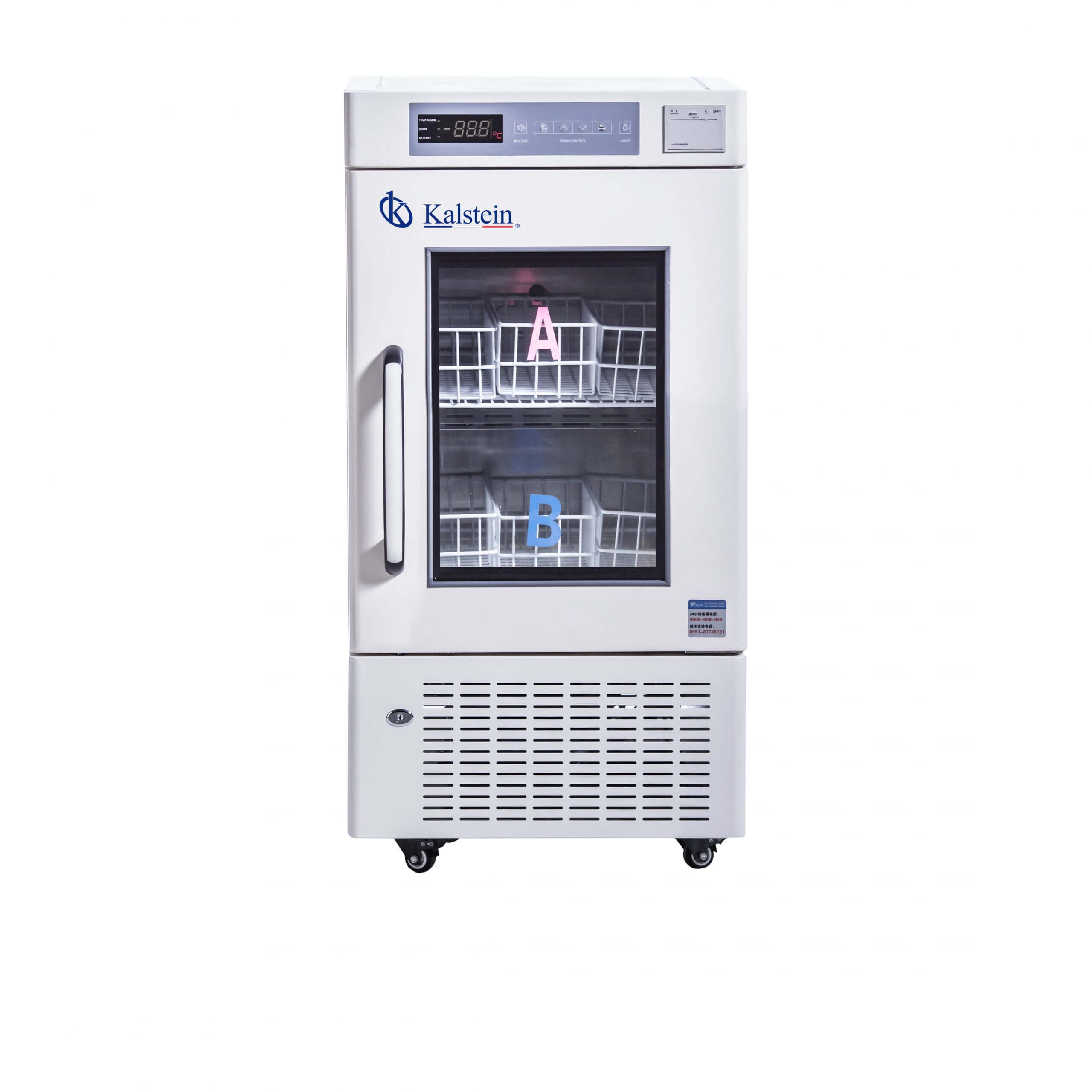
Blood Bank Refrigerators: Common Mistakes and How to Avoid Them in Daily Operation 2026
What is it used for in 2026
Blood bank refrigerators are essential in medical facilities for the safe storage of blood, pharmaceuticals, and bioproducts. These devices are designed to maintain a consistent temperature range of 2-6°C, crucial for preserving the viability of blood components and ensuring patient safety. In 2026, their role has expanded to include enhanced energy efficiency and advanced monitoring systems that allow for real-time temperature tracking and alerts.
History and evolution of the technology
The technology behind blood bank refrigerators has evolved significantly since their inception. Initially designed to meet basic storage needs, advancements in microprocessor technology have led to precise temperature control and better energy efficiency. Over the years, manufacturers have integrated features such as digital displays, automatic defrosting, and alarms for temperature deviations, ensuring that blood products are always stored under optimal conditions.
How to use it step by step
- Installation: Ensure the refrigerator is positioned in a stable environment away from direct sunlight or heat sources. Plug it into a compatible power outlet.
- Set the temperature: Use the digital control panel to set the desired temperature (typically 4±1°C).
- Pre-cool the unit: Before placing any products inside, allow the refrigerator to run empty for at least 24 hours to stabilize the temperature.
- Organize storage: Place blood bags and products in an organized manner, ensuring proper air circulation around them.
- Monitoring: Regularly check the digital display for temperature readings and alarms. Respond to any discrepancies immediately.
- Record keeping: Maintain logs of temperature readings and any maintenance performed for compliance and quality control.
Best techniques and protocols
Adopt these best practices for the optimal use of blood bank refrigerators:
- Regularly calibrate temperature sensors to ensure accurate readings.
- Implement a systematic inventory management protocol to keep track of stored products.
- Utilize backup power solutions to prevent temperature fluctuations during power outages.
- Conduct routine maintenance checks according to the manufacturer's guidelines.
Practical applications by laboratory type
Blood bank refrigerators are utilized across various laboratory settings, including:
- Blood banks: For storing whole blood and blood components.
- Hospitals: For keeping on-hand blood supplies readily available for transfusions.
- Research laboratories: For preserving biological samples that require strict temperature controls.
Regulations, standards and certifications
In 2026, blood bank refrigerators must comply with a variety of regulations and standards, including:
- FDA regulations for blood storage equipment.
- ISO 13485 for medical device quality management.
- AABB standards for blood banks and transfusion services.
Comparison with alternative technologies
While blood bank refrigerators are specialized for blood storage, alternative technologies like laboratory freezers and ultra-low temperature freezers are also available. However, these alternatives do not offer the same controlled environment required for blood products, making blood bank refrigerators the preferred choice for hospitals and blood banks.
Comparison of available models
| Model | Best for | Key specs | Recommended use case |
|---|---|---|---|
| YR05091 | Standard blood storage | Temperature Range: 2-6°C, Energy Consumption: 1.95 kWh/24h | Small to medium blood banks |
| YR05092 | Increased storage capacity | Temperature Range: 2-6°C, Energy Consumption: 2.22 kWh/24h | Hospitals with larger blood supply needs |
| YR05094 | High volume storage | Temperature Range: 2-6°C, Energy Consumption: 6.31 kWh/24h | Large blood banks |
| YR05098 | Versatile low temperature storage | Temperature Range: -10~-25°C, Energy Consumption: 3.4 kWh/23h | Storage for certain vaccines and pharmaceuticals |
| YR05292 | High capacity with drawers | Temperature Range: 4±1°C, Volume: 1008L | Large blood storage facilities |
| YR05292-1 | Similar to YR05292 with enhancements | Temperature Range: 4±1°C, Volume: 1008L | Replacement or supplementary unit for large facilities |
Common mistakes and how to avoid them
Laboratories often encounter several common mistakes in the operation of blood bank refrigerators:
- Ignoring regular maintenance: Failing to perform regular maintenance can lead to malfunction and compromised blood storage. Schedule routine checks.
- Overloading the unit: Excessive storage can impede airflow and affect temperature regulation. Always adhere to the recommended storage limits.
- Temperature monitoring neglect: Not monitoring temperature regularly can lead to unnoticed fluctuations. Implement a monitoring system that tracks temperature in real-time.
- Inadequate training: Staff should be well-trained on the operation and emergency procedures for the refrigerator. Regular training sessions can mitigate this risk.
Maintenance, calibration and good practices 2026
To maintain optimal performance of blood bank refrigerators in 2026:
- Schedule periodic calibration of temperature sensors every six months.
- Conduct annual maintenance checks by qualified technicians.
- Ensure that the refrigerators are kept clean and organized to prevent contamination.
- Regularly update operating protocols and train staff accordingly.
Cost-benefit analysis 2026
When selecting a blood bank refrigerator, consider both the initial investment and long-term benefits. While higher-end models may have greater upfront costs, their energy efficiency and robust features often lead to lower operating costs and enhanced reliability. Investing in quality equipment can result in improved blood product management, reduced wastage, and enhanced patient care.
Frequently asked questions
What should I consider when choosing a blood bank refrigerator?
Consider factors such as storage capacity, temperature control accuracy, energy efficiency, and the specific requirements of your laboratory or hospital.
How often should I calibrate the refrigerator's temperature sensors?
It is recommended to calibrate temperature sensors every six months to ensure accurate temperature readings.
What are the consequences of overloading a blood bank refrigerator?
Overloading can restrict airflow, leading to uneven temperature distribution and potential compromise of stored blood products.
Can I store vaccines in blood bank refrigerators?
Yes, depending on the specific temperature requirements, some vaccines can be stored in blood bank refrigerators, particularly models with a wider temperature range.
What maintenance tasks should be performed regularly?
Regular maintenance tasks include calibrating temperature sensors, cleaning the interior, and ensuring that cooling systems are functioning properly.
How can I ensure compliance with regulations?
Keep detailed logs of temperature monitoring records and maintenance activities, and ensure that all staff are trained on compliance protocols.
Where can I request a quote for blood bank refrigerators?
You can request a quote on Kalstein Plus, where we offer a wide range of laboratory equipment tailored to your needs.
If you are looking for a fusion of innovation and quality, you have come to the right place. At Kalstein, we offer you the luxury of exploring our exclusive catalog of laboratory equipment. We manufacture every device to the highest standards of excellence. Our intuitive and seamless online purchasing channels are designed for your convenience, securing the most competitive prices. Hesitate no longer — we bring science to life, it is time to become part of our community.