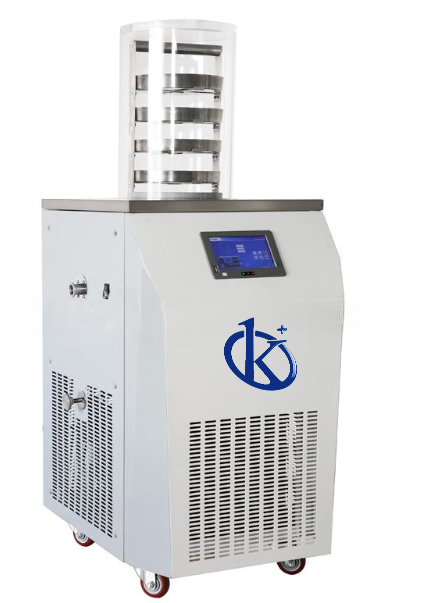
How to Ensure Biosecurity Protocols and Safe Operator Handling in Freeze Dryers
In laboratory environments, ensuring biosecurity and safe operator handling is paramount, especially when utilizing vertical laboratory freeze dryers. These devices, essential for various applications from pharmaceuticals to biological research, require strict adherence to protocols to minimize risks. This article focuses on the necessary biosecurity measures and handling practices specific to vertical laboratory freeze dryers, highlighting key operational protocols.
Understanding Biosecurity Protocols for Freeze Dryers
Biosecurity protocols are designed to protect laboratory personnel, the environment, and the integrity of the samples being processed. In the context of freeze dryers, these protocols involve several layers of safety measures that must be consistently applied. Preventive actions can significantly reduce the risk of contamination and exposure to hazardous materials.
Key Safety Measures for Operators
Operators of freeze dryers should be equipped with appropriate personal protective equipment (PPE) to protect against potential hazards such as spills and exposure to harmful substances. Essential PPE includes gloves, lab coats, goggles, and face shields. Training operators on the correct use of PPE is critical to ensuring their safety during operation.
Personal Protective Equipment (PPE) Requirements
Compliance with PPE requirements is a critical aspect of biosecurity protocols. Operators should receive training on the importance of PPE, and regular audits should ensure adherence to these measures. Instituting a culture of safety where wearing PPE is prioritized can help reduce incidents.
Creating an Effective Risk Assessment Matrix
Implementing a risk assessment matrix helps identify potential risks associated with freeze dryer operations. This matrix should assess factors like equipment failure, chemical exposure, and contamination risks. Regular updates to the matrix will reflect any changes in laboratory processes or equipment that may influence risk levels.
Decontamination Procedures and Protocols
Establishing thorough decontamination procedures is critical in maintaining a safe laboratory environment. All surfaces and equipment should be decontaminated following use. Specific protocols for cleaning and sanitizing the freeze dryers must be developed to ensure no residual contamination remains. This includes the use of appropriate disinfectants and adhering to recommended contact times.
Training Programs for Laboratory Personnel
Regular training programs for laboratory personnel regarding biosecurity and safe handling practices are essential. These programs should include hands-on training on operating freeze dryers, emergency procedures, and the importance of biosecurity protocols. Incorporating scenario-based training can enhance understanding and preparedness.
Monitoring and Auditing Biosecurity Compliance
Implementing a system for monitoring and auditing compliance with biosecurity protocols is essential. Regular assessments can identify areas for improvement and ensure that safety measures evolve with new risks. Audits should focus on operator compliance, equipment maintenance, and adherence to decontamination procedures.
Comparison of Available Models
| Model | Area (m²) | Cooling Trap Temperature (°C) | Water Capture (kg/24h) | Best for |
|---|---|---|---|---|
| YR05198 | 0.18/0.27 | ≤ 60, optional ≤ -80 | 6 | Routine laboratory use |
| YR05199 | 0.09 | ≤ 60, optional ≤ -80 | 6 | Small sample batches |
| YR05200 | 0.18/0.27 | ≤ 60, optional ≤ -80 | 6 | Pharmaceutical applications |
| YR05201 | 0.09 | ≤ 60, optional ≤ -80 | 6 | Biological research |
| YR05985-1 | 0.7 | ≤ -75 | ≥10 | Fruits and vegetables |
| YR05985-2 | 1.04 | ≤ -75 | ≥15 | Large scale food applications |
Common Mistakes and How to Avoid Them
In many laboratories, common mistakes regarding biosecurity can lead to serious consequences. One frequent mistake is insufficient training on PPE usage, which can compromise safety. To avoid this, regular refresher courses and adherence to training best practices should be instituted to ensure all personnel remain competent in safety protocols.
Frequently Asked Questions
How do biosecurity protocols impact the use of vertical laboratory freeze dryers?
Biosecurity protocols significantly enhance the safety of using vertical laboratory freeze dryers, such as the YR05198, by minimizing contamination risks. Following strict protocols ensures that laboratory personnel are protected while maintaining the integrity of samples during the freeze-drying process.
What types of PPE are essential for operating freeze dryers safely?
Essential PPE for operating freeze dryers includes gloves, lab coats, goggles, and face shields. Using the YR05199 model requires appropriate PPE to protect operators from potential hazards associated with handling biological samples during the process.
What are the key components of a risk assessment matrix for freeze dryers?
A risk assessment matrix for freeze dryers should include equipment failure, chemical exposure, and contamination risks. For instance, the YR05200 model can be part of a risk analysis to identify possible hazards during operation and ensure safety protocols are in place.
How should decontamination procedures be carried out for freeze drying equipment?
Decontamination procedures for freeze drying equipment, such as the YR05201, should involve cleaning all surfaces and components with appropriate disinfectants and following recommended contact times to eliminate residual contamination effectively.
What training programs should be established for freeze dryer operators?
Training programs for freeze dryer operators should cover the safe operation of models like YR05985-1, emphasizing biosecurity measures, PPE usage, and emergency procedures to ensure all personnel are adequately prepared for potential risks.
Why is monitoring compliance with biosecurity protocols important in laboratories?
Monitoring compliance with biosecurity protocols ensures that practices evolve to meet new risks and maintain a safe working environment. Regular audits can help identify areas needing improvement, especially when using complex equipment like the YR05985-2.
How can laboratory managers improve biosecurity measures for freeze dryer usage?
Laboratory managers can improve biosecurity measures by implementing robust training programs, maintaining equipment like the YR05198, and establishing clear decontamination protocols to minimize exposure risks for operators and ensure sample integrity.
What role does regular training play in maintaining laboratory safety?
Regular training plays a crucial role in maintaining laboratory safety by keeping personnel informed about best practices related to biosecurity and safe handling. For instance, training on the YR05199 ensures operators understand operational risks and safety protocols.
If you are looking for a fusion of innovation and quality, you have come to the right place. At Kalstein, we offer you the luxury of exploring our exclusive catalog of laboratory equipment. We manufacture every device to the highest standards of excellence. Our intuitive and seamless online purchasing channels are designed for your convenience, securing the most competitive prices. Hesitate no longer — we bring science to life, it is time to become part of our community.