Ensuring Biosafety with Waterproof Balances: Key Protocols for Operator Safety
In laboratory environments where safety is paramount, biosafety protocols play a crucial role in protecting operators from hazardous substances and conditions. This article examines the significance of waterproof balances in maintaining biosafety and effective operator management, focusing on the latest protocols.
Understanding Biosafety Protocols and Waterproof Balances
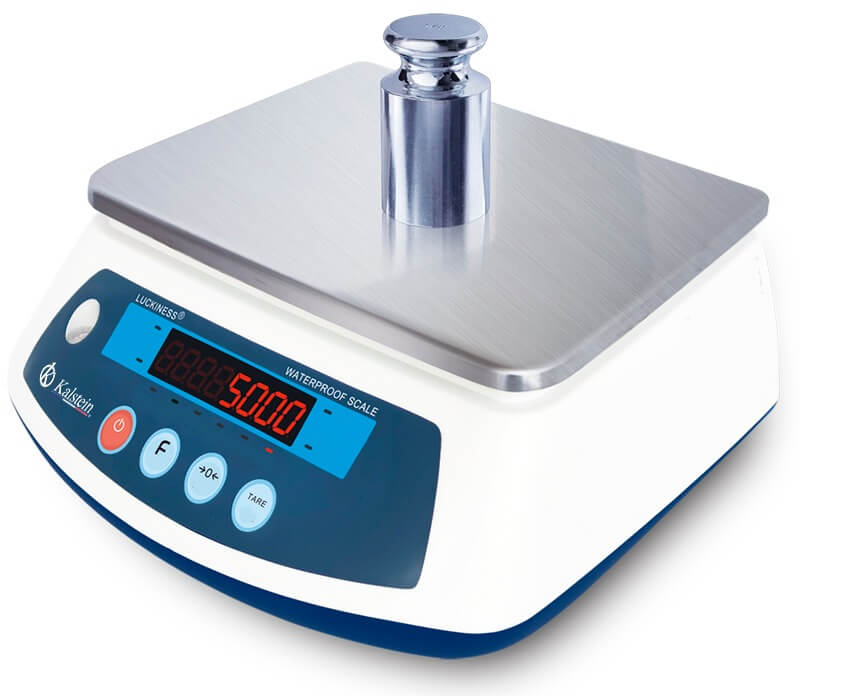
Biosafety protocols are established to minimize risks associated with handling biological materials. These procedures are crucial in laboratories where waterproof balances, such as the YR05623 and YR05624 models, are utilized. These devices help in maintaining cleanliness and safety by preventing contamination while providing accurate weight measurements essential for various laboratory processes.
Key Features of Waterproof Balances for Enhanced Safety
Waterproof balances are crucial in ensuring laboratory safety due to their unique features, including an IP68 rating, which guarantees their resistance to water and dust. Models like YR05625 and YR05626 are designed with sealed components, making them easy to clean and maintain. This prevents the buildup of hazardous materials that could compromise operator safety.
Common Biosafety Levels and Their Relevance to Laboratory Equipment
Biosafety levels (BSL) classify laboratories based on the pathogens they handle. For example, BSL-1 deals with agents that pose minimal threat, while BSL-4 involves high-risk pathogens. Choosing waterproof balances, such as the YR05627, ensures compliance with these levels by providing reliable performance in various environments, thus enhancing operator safety.
Essential Biosafety Protocols in the Laboratory
Implementing biosafety protocols requires a thorough understanding of risk assessments, personal protective equipment (PPE) requirements, and decontamination procedures. By using waterproof balances like the YR05628, laboratories can effectively manage materials without compromising safety. These balances facilitate easy cleaning, thus reinforcing biosafety measures.
Comparison of Available Models
| Model | Capacity (kg) | Readability (g) | Price (USD) | Best for |
|---|---|---|---|---|
| YR05623 | 3 | 0.1 | 105.00 | General laboratory use |
| YR05624 | 6 | 0.5 | 95.00 | Wet or damp environments |
| YR05625 | 6 | 1 | 95.00 | Food and beverage industries |
| YR05626 | 7.5 | 1 | 95.00 | Chemical laboratories |
| YR05627 | 15 | 5 | 95.00 | Heavy-duty applications |
| YR05628 | 30 | 5 | 95.00 | Industrial use |
Common Mistakes and How to Avoid Them
One common mistake in laboratory settings is the neglect of regular maintenance for waterproof balances. Operators often forget that even waterproof devices require routine checks to ensure they function optimally. Ensuring that balances like the YR05623 and YR05624 are cleaned properly and checked for any signs of wear can prevent accidents and enhance safety.
Frequently Asked Questions
What are the best waterproof balances for biosafety in laboratories?
The YR05623 and YR05624 waterproof balances are excellent for biosafety due to their IP68 rating, which offers resistance to water and dust. These features help maintain a clean environment and ensure accurate measurements, critical for safety in laboratory settings.
How do waterproof balances help in maintaining laboratory biosafety protocols?
Waterproof balances, such as the YR05625, assist in laboratory biosafety by minimizing contamination risks. Their easy-to-clean surfaces prevent the buildup of hazardous substances, ensuring a safe working environment for operators while adhering to established biosafety protocols.
Which waterproof balance model is best for chemical laboratories?
The YR05626 model is ideal for chemical laboratories due to its capacity of 7.5 kg and its easy-to-clean features. This balance provides reliable measurements while ensuring compliance with biosafety protocols in environments dealing with hazardous chemicals.
What features should I look for in waterproof balances for safety compliance?
When selecting waterproof balances, look for features such as an IP68 rating, robust construction, and easy maintenance. Models like the YR05627 ensure high reliability in various environments, crucial for maintaining safety compliance in laboratories.
How often should waterproof balances be calibrated to ensure biosafety?
Waterproof balances like the YR05628 should be calibrated regularly, ideally every six months, to ensure accuracy and compliance with safety protocols. Proper calibration plays a significant role in maintaining operator safety and preventing measurement errors.
What are the benefits of using waterproof balances in a laboratory?
Using waterproof balances, such as the YR05624, offers numerous benefits including enhanced safety through easy cleaning, compliance with biosafety protocols, and accurate measurements essential for various laboratory applications.
Are there specific standards waterproof balances must meet for biosafety?
Waterproof balances must meet various safety standards such as CE and RoHS certifications. Models like the YR05625 comply with these standards, ensuring they are safe for use in laboratories handling hazardous materials.
How can I ensure my laboratory complies with biosafety standards when using balances?
To ensure compliance, regularly review and update your biosafety protocols, maintain equipment like waterproof balances, and provide training for operators on proper usage and safety measures. Models such as the YR05626 support these efforts by offering reliable performance.
If you are looking for a fusion of innovation and quality, you have come to the right place. At Kalstein, we offer you the luxury of exploring our exclusive catalog of laboratory equipment. We manufacture every device to the highest standards of excellence. Our intuitive and seamless online purchasing channels are designed for your convenience, securing the most competitive prices. Hesitate no longer — we bring science to life, it is time to become part of our community.