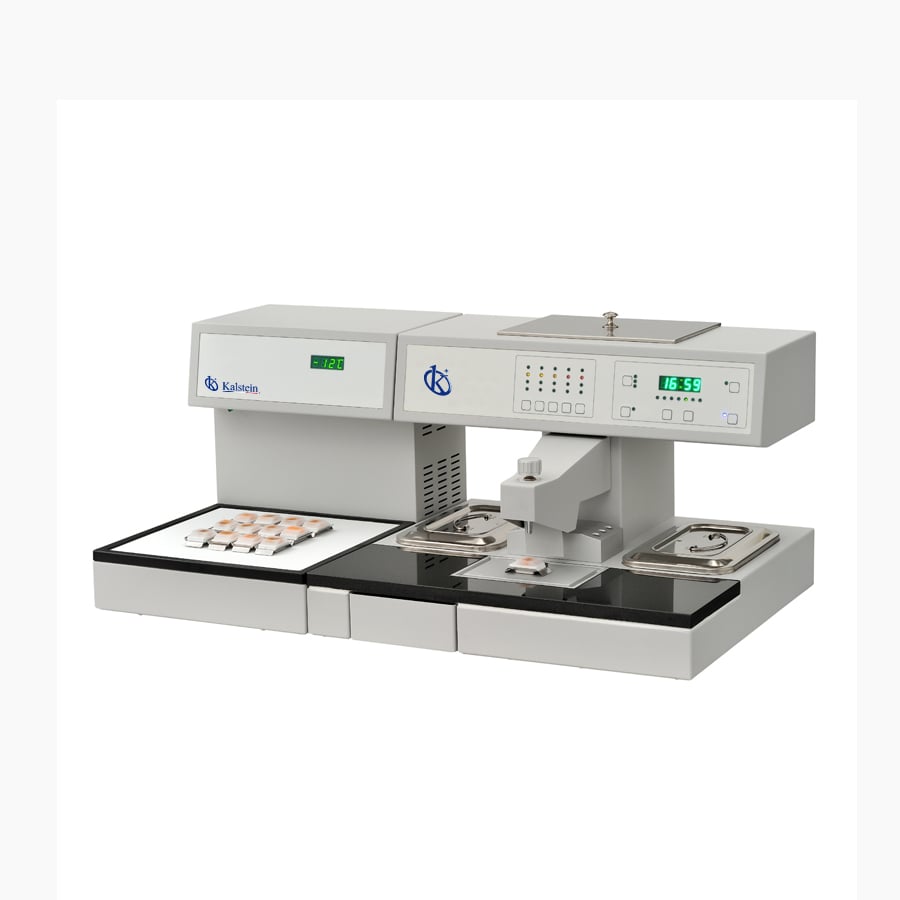
Ensuring Biosafety and Safe Operator Handling in Tissue Embedding Systems
The use of Tissue Embedding Systems (TES) plays a critical role in the processing of histological samples in laboratories. However, with the benefits of advanced technology come significant responsibilities regarding biosafety and the safety of laboratory operators. The implementation of robust biosafety protocols helps ensure that laboratory personnel are protected from potential hazards associated with the handling of biological specimens. This article will delve into various models of Tissue Embedding Systems while examining the necessary biosafety measures to uphold operator safety in laboratory settings.
Understanding Biosafety Protocols in Tissue Embedding Systems
Laboratories face numerous challenges regarding biosafety while using Tissue Embedding Systems. Biosafety protocols are designed to protect laboratory personnel from exposure to infectious agents and harmful chemicals. Key elements of these protocols include the use of personal protective equipment (PPE), proper ventilation systems, and effective decontamination processes.
Personal Protective Equipment (PPE) Guidelines
PPE is essential for any laboratory worker handling biological samples. Gloves, lab coats, masks, and face shields help minimize exposure to hazardous materials. For instance, when operating models such as the YR447, where elevated temperatures are used, ensuring that gloves are heat-resistant can add an extra layer of safety.
Ventilation and Laboratory Design
Effective ventilation systems are crucial in reducing the concentration of airborne pathogens. Tissue Embedding Systems should be used in biosafety cabinets or laboratory environments designed to provide adequate airflow and filtration, ensuring the safety of operators while handling samples.
Comparison of Available Models
| Model | Paraffin Chamber Capacity (liters) | Temperature Range (℃) | Control Precision | Best for |
|---|---|---|---|---|
| YR441 | 3 | 55 - 70 | ±1% | General histopathology |
| YR447 | 4 | RT - 85 | ±1% | Advanced tissue processing |
| YR439 | 3 | 55 - 70 | ±1% | Routine embedding |
| YR445 | 4 | Ambient - 85 | ±1% | High-throughput labs |
| YR439-1 | ≥6 | RT - 85 | ±1% | Enhanced workflow control |
| YR440B | N/A | 0 - -20 | N/A | Sample preservation |
Common Mistakes and How to Avoid Them
In the context of biosafety and operator handling, several common mistakes can jeopardize lab safety. Here are some critical areas to focus on:
- Neglecting PPE: Always ensure that all operators are equipped with appropriate PPE before using the Tissue Embedding Systems.
- Ignoring temperature settings: Correctly set the temperature controls on models like the YR445 to avoid overheating and potential hazards.
- Poor laboratory organization: Maintain a clean and organized workspace to minimize the risk of contamination and accidents.
Specific Safety Protocols for Each Model
Different models of Tissue Embedding Systems come with unique specifications that affect biosafety practices. Understanding the specific protocols tailored to each model can enhance safety and efficiency. For example, the YR447 utilizes advanced heating elements that necessitate the integration of precise temperature controls and monitoring systems, thus requiring operators to receive adequate training on its features.
YR441 Protocols
The YR441, with its microprocessor-controlled heating, demands routine calibration checks to ensure temperature accuracy, which is vital for effective embedding processes while maintaining safety.
YR447 Protocols
As the YR447 operates over a wider temperature range (RT - 85), it is essential to ensure that operators are trained to handle this variability safely to avoid accidents related to overheating.
YR439 Protocols
The YR439's ergonomic design and LED illumination allow for comfortable operation, but operators must remain vigilant about temperature settings and ensure that all safety features are functional before use.
Frequently Asked Questions
What are the biosafety protocols for using Tissue Embedding Systems in laboratories?
Biosafety protocols when using Tissue Embedding Systems, such as the YR447, involve using appropriate PPE, ensuring proper ventilation, and following decontamination procedures to mitigate risks associated with biological samples.
How do I maintain proper biosafety when using the YR441 Tissue Embedding System?
To maintain biosafety with the YR441, operators should consistently wear PPE, periodically check the microprocessor's temperature accuracy, and follow established cleaning protocols for the unit.
What safety training is required for operators of Tissue Embedding Systems?
Operators must receive training on the specific functionalities of the Tissue Embedding Systems, including temperature control, proper use of PPE, and emergency protocols related to biological hazards.
Which Tissue Embedding System model is best for high-throughput labs?
The YR445 is ideal for high-throughput labs due to its capacity and advanced temperature settings, ensuring efficient and safe processing of multiple samples in a timely manner.
How can labs ensure compliance with biosafety standards using Tissue Embedding Systems?
To ensure compliance, labs should adopt stringent biosafety protocols, regularly train staff on safety measures, and maintain thorough documentation of equipment calibration and safety checks.
What features should I look for in a Tissue Embedding System to enhance operator safety?
Key features to enhance operator safety include precise temperature control, ergonomic design, built-in safety alarms, and robust decontamination protocols in models like the YR447 and YR445.
How do different models of Tissue Embedding Systems compare in terms of operator safety?
Models like the YR441 and YR447 differ in temperature capacity and control precision, which can significantly impact operator safety. Therefore, selecting a model with advanced safety features is crucial for laboratory settings.
What are the common biosafety mistakes made in labs using Tissue Embedding Systems?
Common mistakes include neglecting PPE usage, failing to monitor temperature settings, and poor laboratory organization, all of which can compromise safety and the quality of histological samples.
If you are looking for a fusion of innovation and quality, you have come to the right place. At Kalstein, we offer you the luxury of exploring our exclusive catalog of laboratory equipment. We manufacture every device to the highest standards of excellence. Our intuitive and seamless online purchasing channels are designed for your convenience, securing the most competitive prices. Hesitate no longer — we bring science to life, it is time to become part of our community.