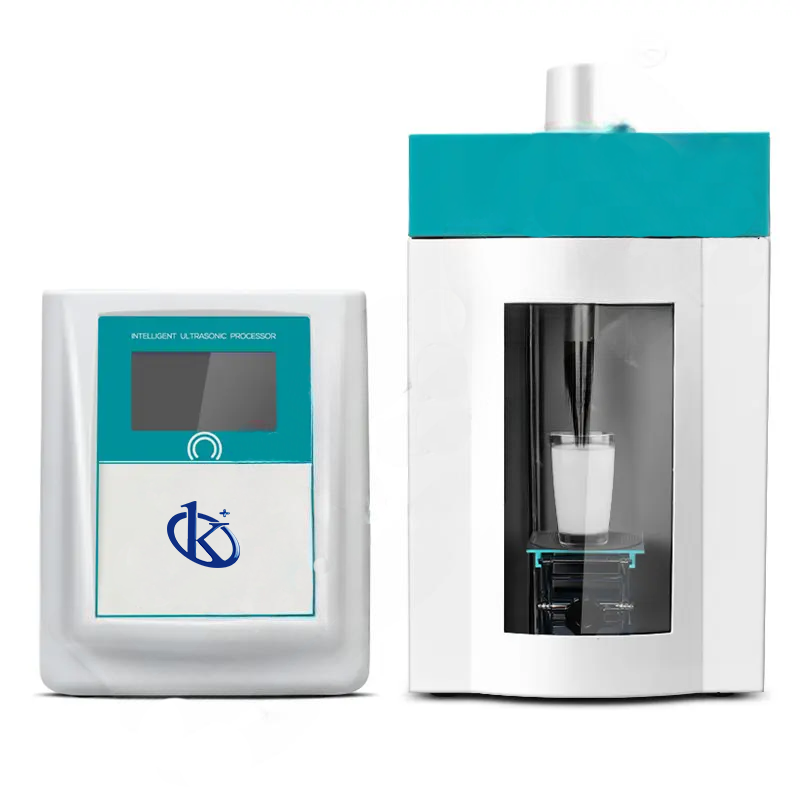
Ensuring Biosafety Protocols in the Use of Ultrasonic Homogenizers
Ultrasonic homogenizers are crucial for various laboratory processes, particularly for sample preparation in biochemical and molecular biology applications. However, the use of these devices must adhere to strict biosafety protocols to protect laboratory personnel and ensure operational integrity.
Understanding the Importance of Biosafety in Laboratories
Biosafety refers to the containment principles, technologies, and practices implemented to minimize the risk of exposure to harmful biological agents. In laboratories utilizing ultrasonic homogenizers, biosafety protocols are vital to prevent contamination and ensure the safety of operators and the environment. This article will delve into essential biosafety measures and protocols for using ultrasonic homogenizers effectively.
Key Biosafety Protocols for Ultrasonic Homogenizers
Implementing biosafety protocols in the use of ultrasonic homogenizers is essential. This includes assessing risk levels, utilizing personal protective equipment (PPE), and adhering to operational guidelines. Establishing clear protocols can significantly reduce the risk of accidents and exposure to hazardous materials.
Personal Protective Equipment (PPE)
Laboratory personnel must wear appropriate PPE, including lab coats, gloves, and eye protection, when operating ultrasonic homogenizers. This reduces exposure to aerosols and chemicals that may be generated during the homogenization process. Protocols should specify equipment needed based on the biohazard level of the substances being processed.
Aerosol Containment Measures
Ultrasonic homogenizers can produce aerosols that may contain pathogenic microorganisms. Implementing effective aerosol containment measures, such as using fume hoods or aerosol containment devices, can help minimize the risk of exposure. Regular maintenance and inspection of these containment systems are critical to ensure their effectiveness.
Common Risks Associated with Ultrasonic Homogenizers
Understanding potential hazards is essential for laboratory safety. Risks include exposure to toxic substances, generation of hazardous aerosols, and equipment malfunctions. Establishing a risk assessment protocol can help identify these hazards and implement necessary precautions.
Equipment Malfunction Risks
Regular maintenance and calibration of ultrasonic homogenizers reduce the risk of equipment malfunction. For instance, the Ultrasonic Homogenizer YR05015 features automatic temperature tracking and overload protection, enhancing operator safety. Ensuring that equipment is functioning correctly is vital for maintaining laboratory safety standards.
Comparison of Available Models
| Model | Power (W) | Mixing Capacity (ml) | Best For |
|---|---|---|---|
| YR05015 | 150 | 150 | Small sample homogenization |
| YR05016 | 250 | 300 | Medium sample sizes |
| YR05017 | 650 | 500 | High-throughput applications |
| YR05018 | 900 | 600 | Research and development |
| YR05019 | 1200 | 1000 | Industrial applications |
| YR05020 | 1800 | 1200 | Large volume processing |
Common Mistakes and How to Avoid Them
One common mistake in laboratory settings is overlooking the biosafety guidelines when using ultrasonic homogenizers. Operators must regularly review and update safety protocols to align with current best practices. Training sessions should be scheduled to ensure that all personnel understand and comply with safety measures.
Frequently Asked Questions
What biosafety measures should I implement for ultrasonic homogenizers?
The implementation of biosafety measures for ultrasonic homogenizers includes using appropriate personal protective equipment (PPE), establishing aerosol containment protocols, and conducting regular equipment maintenance. For example, utilizing models like YR05015 enhances safety with its automatic alarms for operational errors.
How can I ensure operator safety when using ultrasonic homogenizers?
Operator safety can be ensured by providing comprehensive training on biosafety protocols, utilizing PPE, and maintaining equipment like the YR05018 which offers advanced features for user safety. Regular audits and compliance checks can further enhance safety in the laboratory environment.
Are there specific regulations for using ultrasonic homogenizers?
Yes, specific regulations may apply depending on the laboratory's jurisdiction and the materials being processed. Compliance with biosafety regulations ensures a safe working environment. For example, adherence to the guidelines set forth by local health authorities can mitigate risks associated with using models like YR05019.
What are the risks of improper use of ultrasonic homogenizers?
Improper use of ultrasonic homogenizers can lead to hazardous exposures, equipment failure, and contamination. It is crucial to follow established safety protocols and use models like YR05020 that incorporate safety features to reduce such risks effectively.
How do I create an effective biosafety protocol for my lab?
To create an effective biosafety protocol, assess the specific risks associated with your laboratory’s operations, select appropriate PPE, and establish standard operating procedures tailored to equipment like ultrasonic homogenizers. Regular reviews will ensure the protocols remain effective and compliant.
Which ultrasonic homogenizer model is best for high-throughput applications?
The YR05017 model is ideal for high-throughput applications due to its 650W power and 500ml mixing capacity. Implementing this model while adhering to biosafety protocols ensures effective and safe sample processing in laboratory environments.
How can I minimize aerosol contamination when using ultrasonic homogenizers?
Minimizing aerosol contamination can be achieved by using fume hoods, implementing aerosol containment devices, and operating equipment like the YR05016 under controlled conditions. Regular training on proper techniques will also help reduce contamination risks.
What training is necessary for laboratory staff using ultrasonic homogenizers?
Laboratory staff should receive training on biosafety protocols, equipment handling, and emergency procedures related to ultrasonic homogenizers. Familiarization with models like YR05019 can empower them to operate safely and efficiently while following established safety measures.
If you are looking for a fusion of innovation and quality, you have come to the right place. At Kalstein, we offer you the luxury of exploring our exclusive catalog of laboratory equipment. We manufacture every device to the highest standards of excellence. Our intuitive and seamless online purchasing channels are designed for your convenience, securing the most competitive prices. Hesitate no longer — we bring science to life, it is time to become part of our community.