Best Practices for Biosafety Protocols and Safe Operator Management in Vacuum Ovens
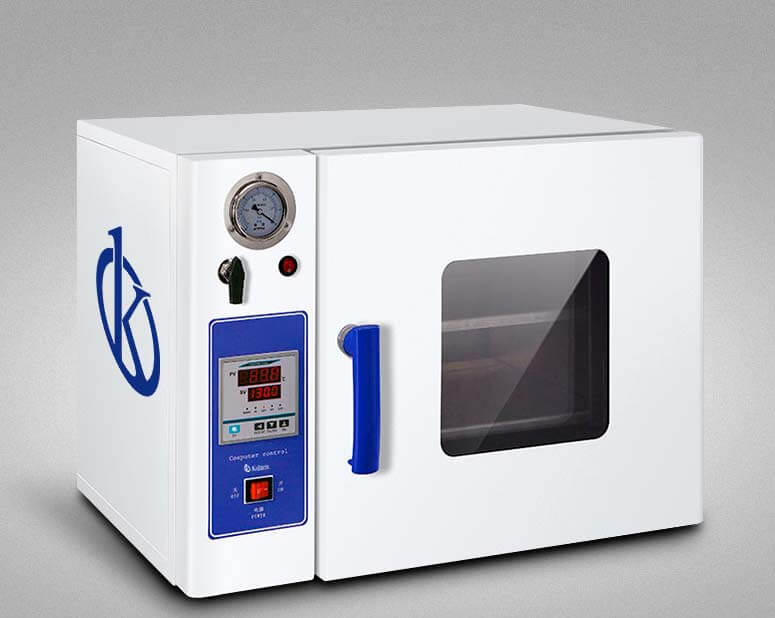
Vacuum ovens are critical tools in laboratories, especially within the biochemical, pharmaceutical, and agricultural research sectors. Ensuring biosafety protocols and operator protection is paramount when utilizing these devices. This article delves into the necessary safety measures and best practices for safe operator management while using vacuum ovens.
Understanding Biosafety Levels and Vacuum Ovens
Biosafety levels (BSL) are crucial when working with vacuum ovens, particularly in laboratories handling potentially hazardous materials. The BSL system is categorized from BSL-1 to BSL-4, with each level requiring specific containment and safety measures. For instance, vacuum ovens such as the YR05260-A and YR05261-A are suitable for BSL-1 and BSL-2 applications, where basic safety protocols are sufficient.
As the risk increases, particularly in BSL-3 and BSL-4 laboratories, the need for more stringent protocols arises. Vacuum ovens must be equipped with advanced safety features, adequate personal protective equipment (PPE), and decontamination strategies to ensure operator safety.
Personal Protective Equipment (PPE) Requirements
Operators handling vacuum ovens must wear appropriate PPE to mitigate exposure risks. Essential PPE includes lab coats, gloves, face shields, and respirators, particularly in environments where volatile substances are processed. The YR05262-SS and YR05263-SS models are often employed in settings that require stringent PPE adherence due to their applications in chemical processing.
Moreover, regular training on PPE usage and maintenance should be emphasized to reinforce safety compliance among laboratory personnel.
Risk Assessment and Management Strategies
Conducting thorough risk assessments is vital before utilizing vacuum ovens. Identifying potential hazards, including chemical exposure and equipment malfunctions, helps in formulating effective management strategies. Operators should assess the YR05264-A for its operational risks and implement control measures accordingly, such as ensuring proper ventilation and establishing emergency response protocols.
Implementing a risk management strategy involves the continuous monitoring of operational practices and adherence to established biosafety protocols. Regular audits can help identify shortcomings in safety practices and facilitate timely corrective actions.
Decontamination Protocols for Vacuum Ovens
Establishing decontamination protocols is crucial to minimize the risk of cross-contamination and exposure to hazardous materials. Vacuum ovens like the YR05265-SS use high temperatures and reduced pressure to effectively sterilize equipment and samples. After each use, operators should follow a decontamination regimen, which may include cleaning surfaces with approved disinfectants and conducting routine maintenance checks.
Moreover, documenting decontamination procedures ensures traceability and compliance with laboratory standards.
Training and Education on Safe Practices
Continuous education and training of laboratory personnel are fundamental to maintaining safety standards. Regular training sessions should cover the operation of vacuum ovens, biosafety protocols, PPE usage, and emergency procedures. For instance, hands-on training with the YR05260-A can enhance operator competence and confidence in safely managing the equipment.
Additionally, a clear communication channel for reporting safety concerns should be established to foster a proactive safety culture within the laboratory.
Comparison of Available Models
| Model | Best Applications | Temperature Range (°C) | Material | Price (USD) |
|---|---|---|---|---|
| YR05260-A | Bioscience, general laboratory | RT + 5 ~ 250 | Coated zinc | 330.00 |
| YR05261-A | Pharmaceuticals | RT + 5 ~ 250 | Coated zinc | 460.00 |
| YR05262-SS | Environmental protection | RT + 5 ~ 250 | Stainless steel | 400.00 |
| YR05263-SS | Research agriculture | RT + 5 ~ 250 | Stainless steel | 590.00 |
| YR05264-A | Complex materials | RT + 5 ~ 250 | Coated zinc | 690.00 |
| YR05265-SS | Hazardous materials | RT + 5 ~ 250 | Stainless steel | 845.00 |
Common Mistakes and How to Avoid Them
Laboratory personnel often make critical mistakes when handling vacuum ovens. One prevalent error is insufficient decontamination, leading to cross-contamination of samples. Operators should ensure comprehensive cleaning and follow established protocols after each use.
Another common mistake involves neglecting PPE. Training sessions should reinforce the importance of wearing the appropriate gear, particularly when dealing with hazardous materials in ovens such as the YR05265-SS. Establishing a PPE checklist before operation can minimize this risk.
Frequently Asked Questions
How do I ensure safe operation of vacuum ovens in a BSL-2 laboratory?
To ensure safe operation of vacuum ovens like the YR05260-A in BSL-2 laboratories, implement strict PPE usage guidelines, conduct risk assessments, and establish decontamination protocols to mitigate exposure to hazardous materials.
What are the best practices for decontaminating vacuum ovens after use?
Best practices for decontaminating vacuum ovens, such as the YR05261-A, include cleaning surfaces with approved disinfectants, documenting procedures, and ensuring thorough maintenance checks to prevent cross-contamination.
Which vacuum oven models are suitable for handling hazardous materials?
Models like the YR05265-SS are designed for handling hazardous materials due to their stainless steel construction and enhanced safety features, making them ideal for high-risk laboratory environments.
How often should training on vacuum oven safety be conducted?
Training on vacuum oven safety should be conducted at least once a year, with additional sessions following any updates in protocols or after incidents, ensuring personnel remain knowledgeable about safe practices.
What PPE is essential when operating vacuum ovens?
Essential PPE includes lab coats, gloves, face shields, and respirators. For instance, operators using the YR05262-SS should ensure proper PPE is worn to prevent exposure to harmful substances.
How can I assess the risks associated with using a vacuum oven?
Assessing risks involves identifying potential hazards, implementing control measures, and conducting regular audits. Utilizing a vacuum oven like the YR05263-SS necessitates comprehensive risk evaluation to mitigate exposure risks.
What decontamination checklist should I follow for vacuum ovens?
A decontamination checklist should include cleaning with approved disinfectants, ensuring proper ventilation, and documenting procedures. This is particularly important for models such as the YR05264-A that handle sensitive materials.
How do I train laboratory personnel on vacuum oven operation?
Training should include hands-on experience, safety protocol education, and regular assessments. For example, practical sessions with the YR05260-A can enhance understanding and compliance among operators.
If you are looking for a fusion of innovation and quality, you have come to the right place. At Kalstein, we offer you the luxury of exploring our exclusive catalog of laboratory equipment. We manufacture every device to the highest standards of excellence. Our intuitive and seamless online purchasing channels are designed for your convenience, securing the most competitive prices. Hesitate no longer — we bring science to life, it is time to become part of our community.