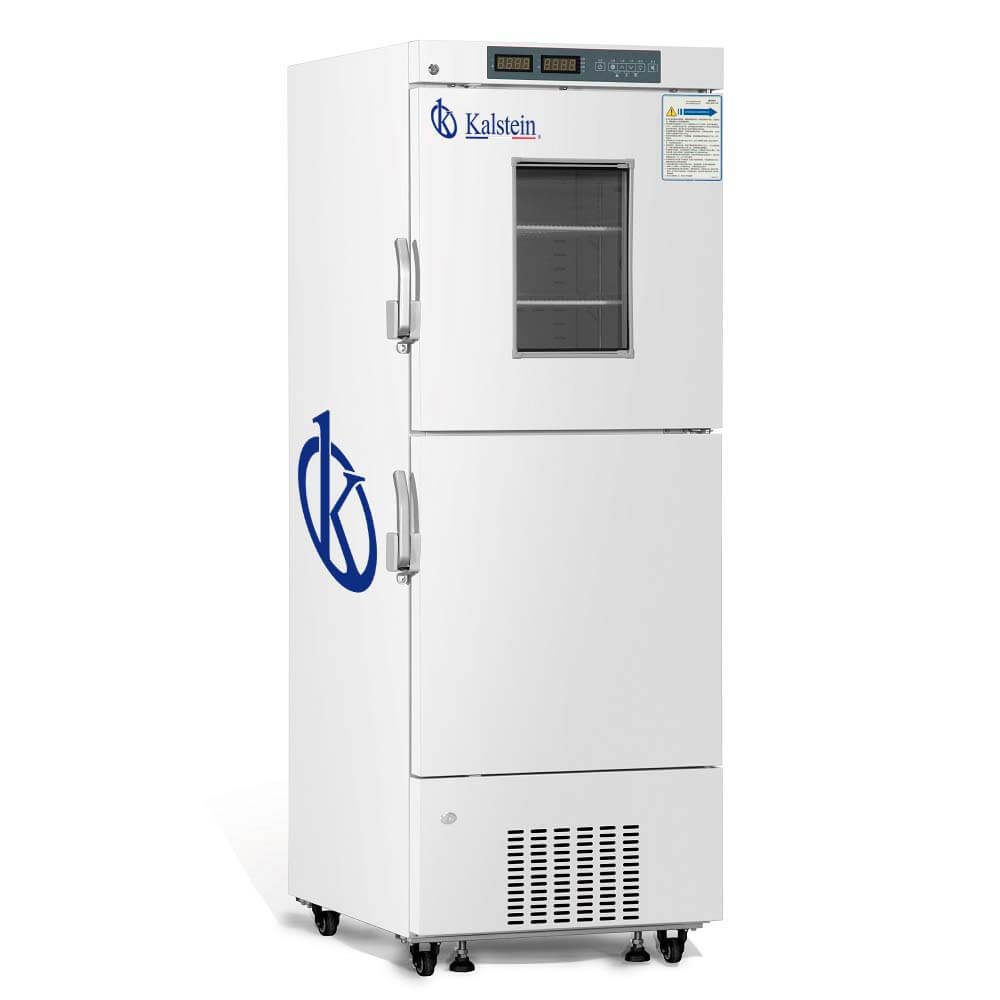
Biosafety Protocols and Safe Operator Handling in Combined Freezers
In laboratory environments, particularly those dealing with biological materials, ensuring the safety of operators and maintaining strict biosafety protocols is essential. Combined freezers, such as the YR05320, YR05321, and YR05321-1 models, are designed to store sensitive materials including plasma and vaccines at regulated temperatures. This article delves into critical biosafety protocols and operator handling techniques specific to these combined freezers, emphasizing the importance of maintaining a safe working environment.
Understanding Biosafety Levels and Their Importance
Biosafety levels (BSL) classify laboratories based on the risk associated with the biological materials handled. BSL-1 represents the lowest level, suitable for agents that do not cause disease in healthy humans, while BSL-4 involves dangerous and exotic agents posing a high risk of life-threatening disease. Combined freezers must be used within their designated biosafety levels to avoid contamination and ensure operator safety. For instance, while using the YR05320 model, which offers a range of -20°C to -40°C for storage, it is critical to adhere to biosafety guidelines that protect personnel from aerosols and accidental exposure.
Essential PPE for Operator Safety
Personal Protective Equipment (PPE) is crucial when interacting with combined freezers in a laboratory setting. PPE must include gloves, lab coats, and safety goggles. In environments where combined freezers are used to store hazardous materials, respirators may also be necessary. Operators should always wear gloves when handling samples within the YR05321 or YR05321-1 models, as this prevents direct contact with biological materials. Regular training on the proper use and limitations of PPE is vital to enhance safety practices.
Decontamination Protocols for Combined Freezers
Regular decontamination of combined freezers is essential to minimize the risk of contamination. Surfaces of models such as the YR05320 should be cleaned with appropriate disinfectants before and after each use, especially if the freezer has been exposed to biological samples. Implementing a strict decontamination protocol helps ensure that any spills or leaks are promptly addressed, thus protecting both specimens and laboratory personnel.
Risk Assessment and Management
Conducting thorough risk assessments is an integral part of laboratory safety. This involves evaluating the potential hazards associated with the materials being stored in combined freezers and the potential for exposure to operators. Operators should be trained to recognize risks, such as faulty seals on the YR05321 model, which might expose stored materials to higher temperatures. Regular inspections help identify risks and ensure that appropriate mitigation measures are in place.
Training Programs for Laboratory Personnel
Implementing comprehensive training programs for laboratory personnel is key to promoting a culture of biosafety. These programs should cover the operation of combined freezers, proper handling techniques, maintenance, and emergency procedures. Training sessions should include practical demonstrations on how to effectively utilize features of the YR05321-1, including temperature control settings, to ensure optimal performance while maintaining safety protocols.
Comparison of Available Models
| Model | Cooling Method | Temperature Range | Best for |
|---|---|---|---|
| YR05320 | Direct cooling | -20°C to -40°C / 2°C to 8°C | Storing plasma and vaccines |
| YR05321 | Direct cooling | -10°C to -25°C / 2°C to 8°C | Storing biological materials in hospitals |
| YR05321-1 | Direct cooling | -10°C to -25°C / 2°C to 8°C | Dual chamber storage for labs |
Common Mistakes and How to Avoid Them
Laboratories often overlook critical biosafety protocols when using combined freezers. Common mistakes include failing to regularly check seals on freezer doors, neglecting to perform routine maintenance checks, and not training staff adequately on emergency procedures. To avoid these mistakes, laboratories should establish clear protocols, conduct regular training sessions, and implement a checklist for routine operations and maintenance.
Frequently Asked Questions
What specific biosafety measures should be implemented for combined freezers in labs?
Implementing biosafety measures for combined freezers like the YR05320 involves wearing appropriate PPE, conducting regular decontamination, and performing risk assessments. Ensure that all operators are trained on these protocols to minimize the risk of exposure to biological materials.
How can regular training enhance safety when using combined freezers?
Regular training enhances safety by ensuring that all laboratory personnel are familiar with the operational protocols of combined freezers, such as the YR05321-1. This reduces human error and helps operators respond effectively during emergencies or spills.
What are the decontamination protocols for combined freezers in research settings?
Decontamination protocols for combined freezers involve cleaning surfaces with suitable disinfectants before and after use. For example, surfaces of the YR05321 should be wiped down with 70% ethanol to eliminate contaminants effectively.
Which combined freezer model is best for plasma storage in hospitals?
The YR05320 model is best for plasma storage in hospitals due to its temperature range of -20°C to -40°C, ensuring optimum conditions for plasma preservation. It also complies with biosafety requirements essential for handling biological materials.
What are the consequences of neglecting biosafety standards in laboratories?
Neglecting biosafety standards can lead to contamination, exposure to hazardous materials, and potential health risks for personnel. Using combined freezers like the YR05321 without adhering to safety protocols can result in severe repercussions for laboratory operations.
How often should risk assessments be conducted in labs using combined freezers?
Risk assessments in labs using combined freezers, such as the YR05321-1, should be conducted at least annually or whenever there is a change in operations or materials. This proactive measure helps ensure ongoing compliance with biosafety standards.
Why is proper PPE essential when handling biological materials?
Proper PPE is essential when handling biological materials to protect operators from exposure to potentially hazardous agents. Using gloves and masks while operating combined freezers minimizes the risk of contamination and ensures a safe working environment.
What steps can be taken to improve operator safety in laboratories?
Improving operator safety in laboratories can include implementing comprehensive training programs, ensuring proper use of PPE, and establishing strict decontamination protocols. Regular inspections of combined freezers like the YR05320 are also vital to maintaining safety standards.
If you are looking for a fusion of innovation and quality, you have come to the right place. At Kalstein, we offer you the luxury of exploring our exclusive catalog of laboratory equipment. We manufacture every device to the highest standards of excellence. Our intuitive and seamless online purchasing channels are designed for your convenience, securing the most competitive prices. Hesitate no longer — we bring science to life, it is time to become part of our community.