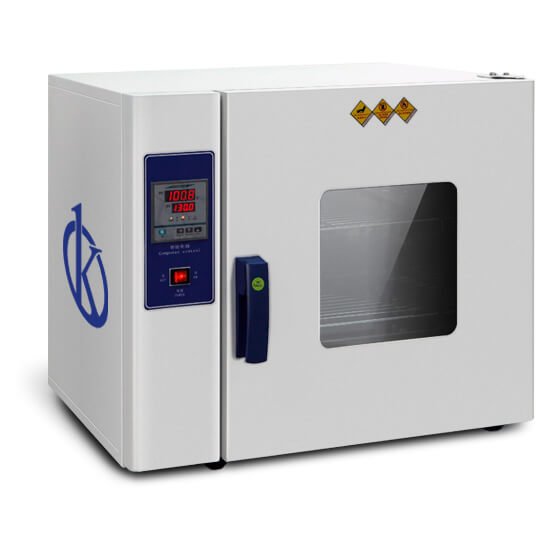
How to Ensure Biosafety and Safe Operation with Drying Ovens
In laboratory environments, the utilization of drying ovens is essential for various applications including drying, sterilization, and thermal treatment. However, ensuring biosafety and safe operation for operators is of utmost importance. This article delves into the protocols that can be adopted to maintain safety while using drying ovens, specifically focusing on critical aspects such as equipment specifications, compliance with safety standards, and operational best practices.
Understanding Biosafety Protocols for Drying Ovens
Biosafety protocols are essential in laboratories to minimize the risk of exposure to hazardous materials. When dealing with drying ovens, it is critical to implement appropriate safety measures. These include using personal protective equipment (PPE), ensuring proper ventilation, and adhering to decontamination protocols after usage. Specific drying ovens, like the Electric Heating Drying Stove YR05244, have features that can aid in maintaining a safe working environment due to their stainless-steel interiors and robust temperature control mechanisms.
Importance of Temperature Control in Maintaining Safety
Temperature control is critical to ensure that drying ovens operate within safe parameters. Overheating can lead to dangerous situations, including fires or material degradation. Models such as the Electric Heating Drying Stove YR05245 are equipped with intelligent microcomputer PID control, enabling precise temperature regulation. This feature ensures that the temperature remains stable and gives alarms in case of overheating, significantly enhancing the safety of laboratory operations.
Key Features of Drying Ovens Enhancing Operator Safety
When selecting a drying oven, it is important to consider features that enhance operator safety. For example, the Electric Heating Drying Stove YR05246 includes an overheat alarm, which alerts users to potential risks. Additionally, the forced-air circulation system ensures even distribution of heat, reducing the risk of localized overheating and ensuring that samples are dried efficiently without hazards.
Compliance with Safety Standards and Regulations
Compliance with local and international safety standards is necessary for laboratory equipment, including drying ovens. Models such as YR05247 are designed to meet stringent safety requirements, ensuring that laboratories can operate within legal and safety frameworks. Understanding relevant standards, such as ISO 15189, which pertains to medical laboratories, can guide laboratories in making informed choices about their equipment and operational practices.
Common Mistakes in Drying Oven Operations and How to Avoid Them
Laboratories often face issues with equipment due to improper operation of drying ovens. Common mistakes include overloading the oven, failing to calibrate temperature settings, and neglecting routine maintenance checks. To avoid these pitfalls, laboratories should establish Standard Operating Procedures (SOPs) that provide clear guidelines on the usage of drying ovens, such as those outlined for the Electric Heating Drying Stove YR05248, which assists with routine tasks.
Comparison of Available Models
| Model | Temperature Range (°C) | Power (kW) | Best For |
|---|---|---|---|
| YR05244 | RT+5~250 | 1 | High uniformity requirements in drying |
| YR05245 | RT+5~250 | 1 | General laboratory drying applications |
| YR05246 | RT+5~250 | 1 | Thermal treatment and sterilization |
| YR05247 | RT+5~250 | 1 | Applications requiring accurate heat maintenance |
| YR05248 | RT+5~250 | 1 | Routine laboratory use |
Best Practices for the Safe Operation of Drying Ovens
Implementing best practices is essential for the safe operation of drying ovens. This includes regularly training staff on safety protocols, conducting routine inspections, and keeping the workspace organized to prevent accidents. Using models like the Electric Heating Drying Stove YR05249, which offers user-friendly interfaces, can streamline operations and reduce the likelihood of human error during tasks.
Frequently Asked Questions
What are the essential biosafety protocols when using drying ovens in labs?
Essential biosafety protocols when using drying ovens include wearing appropriate PPE, ensuring adequate ventilation, and performing post-use decontamination. Implementing these protocols can help safeguard laboratory personnel while operating models such as the Electric Heating Drying Stove YR05244.
How can I maintain temperature accuracy in my drying oven?
To maintain temperature accuracy in your drying oven, regularly calibrate the temperature settings and ensure proper placement of samples. Models like the Electric Heating Drying Stove YR05245 offer built-in PID control to aid in maintaining temperature accuracy effectively.
Which drying oven model is best for high-throughput laboratories?
The Electric Heating Drying Stove YR05247 is an excellent choice for high-throughput laboratories as it is designed for precise heat maintenance, allowing for efficient processing of samples without compromising safety.
What safety standards should my drying oven comply with?
Your drying oven should comply with international safety standards like ISO 15189 which sets requirements for quality and competence in medical laboratories. The Electric Heating Drying Stove YR05246 adheres to these standards, ensuring safe operation.
How can regular maintenance prevent accidents in drying ovens?
Regular maintenance helps prevent accidents by ensuring that the drying oven's safety features function correctly. Routine checks on models like the Electric Heating Drying Stove YR05248 can identify potential issues before they become hazardous situations.
What are the common operational mistakes with drying ovens?
Common operational mistakes include overloading the oven, neglecting calibration, and failing to follow SOPs. By using equipment like the Electric Heating Drying Stove YR05249, which simplifies monitoring, labs can minimize these mistakes.
How does proper ventilation influence the safety of drying ovens?
Proper ventilation is crucial for the safe operation of drying ovens as it helps dissipate heat and prevents the buildup of hazardous fumes. Ensuring that models like the Electric Heating Drying Stove YR05245 are located in well-ventilated areas can enhance safety significantly.
What features should I look for in a drying oven for safe laboratory use?
Look for features such as temperature alarms, robust construction, and easy-to-use controls in drying ovens. Models like the Electric Heating Drying Stove YR05246 provide these attributes, ensuring safer laboratory operations.
If you are looking for a fusion of innovation and quality, you have come to the right place. At Kalstein, we offer you the luxury of exploring our exclusive catalog of laboratory equipment. We manufacture every device to the highest standards of excellence. Our intuitive and seamless online purchasing channels are designed for your convenience, securing the most competitive prices. Hesitate no longer — we bring science to life, it is time to become part of our community.