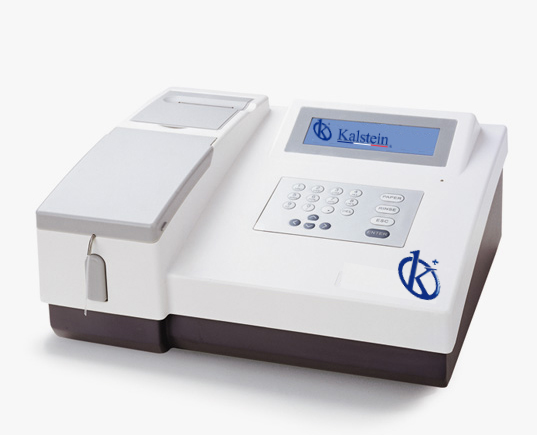
How to Ensure Biosafety and Safe Operator Management with Chemical Analyzers
The role of chemical analyzers in laboratories has become increasingly significant, especially in contexts where biosafety is a concern. As laboratories strive to meet international biosafety standards, understanding the features of different chemical analyzers and how they align with safe operator management is crucial. This article will delve into various models of chemical analyzers, examining their unique features and applications while emphasizing biosafety protocols necessary for laboratory environments.
Understanding Biosafety Protocols in Chemical Analysis
Biosafety protocols are critical in laboratory settings, especially when handling hazardous materials. Key biosafety levels (BSLs) define the necessary precautions based on the risk associated with specific biological agents. For chemical analyzers, ensuring compliance with these protocols enhances operator safety and prevents contamination. Laboratories must conduct risk assessments and implement standard operating procedures (SOPs) that dictate how to manage chemical exposure.
Significance of Safe Operator Management
Safe operator management encompasses all strategies and practices aimed at protecting laboratory personnel from hazards. This includes training, personal protective equipment (PPE), and emergency protocols. Implementing robust safety training ensures that operators understand the risks associated with chemical analysis and how to mitigate them. Regular audits and updates to safety practices also play a pivotal role in maintaining a safe working environment.
Comparison of Available Models
| Model | Key Features | Best for |
|---|---|---|
| YR05115 | LCD, real-time curve display, 5 wavelengths | General laboratory analysis |
| YR05114 | Touch screen, 80 preprogrammed tests | Routine tests in medical labs |
| YR06092 | Portable, precise heating control | Field applications and research |
| YR06075 | Automatic, 560 tests/hour, advanced washing | High-throughput labs |
| YR05116 | Windows OS, real-time reaction curves | Advanced chemical analysis |
| YR06078 | 7 wavelengths, compact design | Small labs with space constraints |
Implementing Training and Compliance Checks
Regular training sessions for laboratory personnel can significantly reduce the risk associated with chemical analyzers. Training should cover the safe handling of specific chemicals, emergency procedures, and the correct use of PPE. Compliance checks should be conducted to ensure adherence to biosafety protocols, including audits of the equipment in use and ensuring that all operators are knowledgeable about potential hazards.
Common Mistakes and How to Avoid Them
Laboratories often overlook the importance of regular equipment maintenance, which can lead to safety hazards. Not keeping chemical analyzers calibrated and in good working condition can compromise results and safety. Additionally, failing to conduct thorough risk assessments can lead to insufficient safety measures being implemented. To avoid these mistakes, laboratories should establish routine maintenance schedules and conduct regular training updates.
Frequently Asked Questions
What are the biosafety levels for chemical analyzers in laboratories?
Biosafety levels (BSL) are classifications that dictate how laboratories should handle hazardous biological agents. For chemical analyzers, BSL-1 to BSL-4 protocols ensure proper containment and safety measures. For instance, models such as YR06075 must comply with specific standards to minimize risks during operation.
How can I ensure my chemical analyzer is compliant with safety protocols?
Ensuring compliance involves regular audits, risk assessments, and adherence to established standard operating procedures. Equipment like the YR05115 should be routinely checked to ensure it meets all necessary safety standards and protocols related to chemical analysis.
What training is necessary for operators using chemical analyzers?
Operators must receive comprehensive training on the safe handling of chemicals, proper equipment operation, and emergency response procedures. Training sessions should include practical demonstrations using models like YR06092 to familiarize operators with safety protocols and equipment functionality.
Which models offer the best safety features for laboratory operators?
Models such as the YR06075 provide advanced safety features, including automated washing systems, ensuring that operators are not exposed to hazardous materials during tests. Additionally, robust design considerations enhance overall operator safety in busy laboratory environments.
How often should I perform maintenance on my chemical analyzer?
Regular maintenance should be scheduled based on the manufacturer's recommendations. For example, the YR05116 may require calibration every six months to ensure accurate results and safety compliance. Establishing a routine maintenance schedule is essential for optimal operation.
What personal protective equipment is recommended for using chemical analyzers?
Personal protective equipment (PPE) such as gloves, goggles, and lab coats is essential when operating chemical analyzers. Depending on the chemicals being handled, additional PPE like face shields or respirators may be necessary to ensure operator safety.
What steps should I take if there is a chemical spill in the laboratory?
In the event of a spill, it is crucial to follow emergency procedures outlined in your laboratory's safety manual. Immediately evacuate the area and use appropriate spill kits to contain and clean up the spill. Training with models like YR06078 can help prepare operators for such emergencies.
How do I integrate chemical analyzers into my laboratory’s biosafety program?
Integrating chemical analyzers into a biosafety program involves conducting risk assessments, ensuring operator training, and establishing standard operating procedures for equipment use. Models such as YR06092 should be evaluated for their safety features to meet biosafety standards effectively.
If you are looking for a fusion of innovation and quality, you have come to the right place. At Kalstein, we offer you the luxury of exploring our exclusive catalog of laboratory equipment. We manufacture every device to the highest standards of excellence. Our intuitive and seamless online purchasing channels are designed for your convenience, securing the most competitive prices. Hesitate no longer — we bring science to life, it is time to become part of our community.