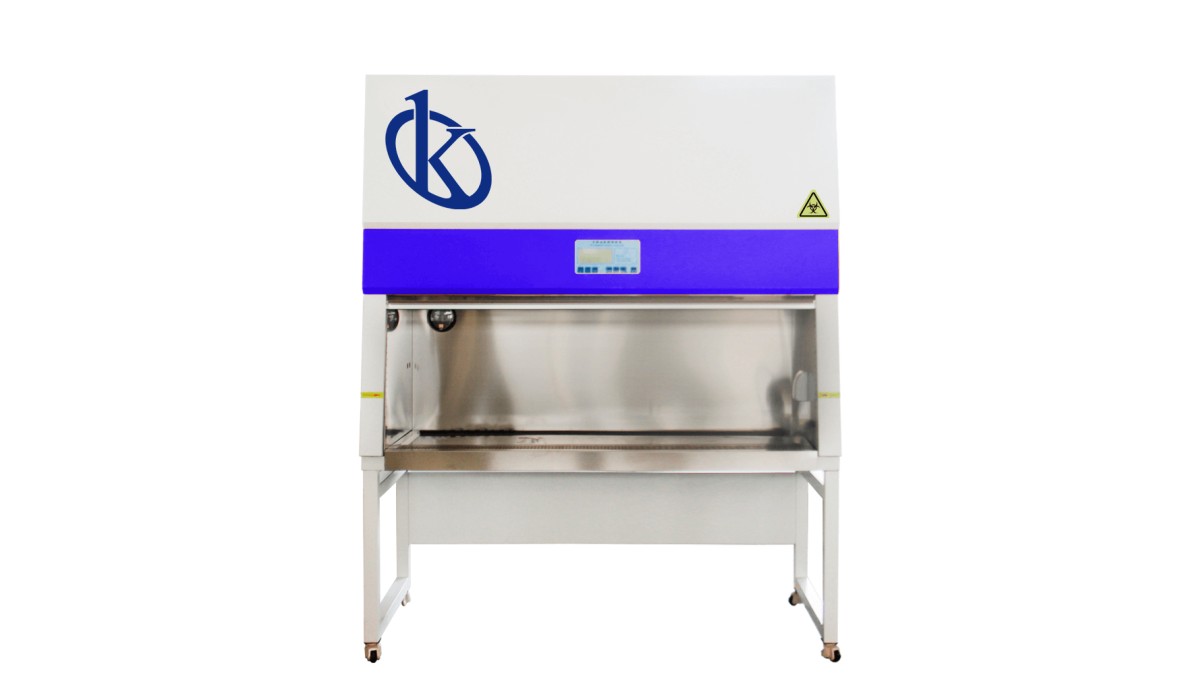
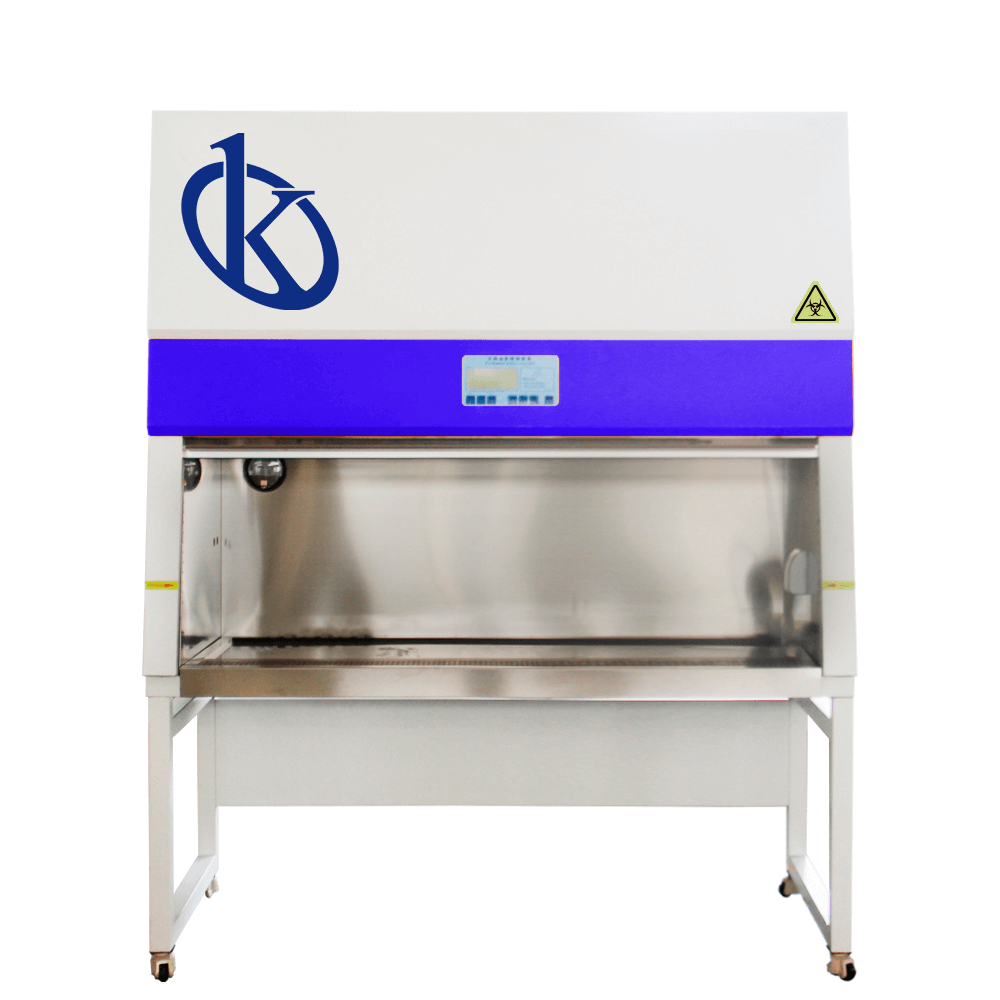
Biosafety Cabinets (Class II): Applications in Research, Biotechnology, and Academia 2026
Biosafety cabinets play a critical role in laboratory safety, providing essential protection for both laboratory personnel and the environment when handling hazardous biological materials. In 2026, the importance of these cabinets is more pronounced than ever, given the rise in research activities within biotechnology and academia. This article delves into the practical applications of Class II Biosafety Cabinets, discusses their historical evolution, provides a step-by-step guide on their use, outlines best practices and techniques, and compares multiple models available in the market today.
What is it used for in 2026
In 2026, Class II Biosafety Cabinets are primarily utilized in laboratories to provide a sterile working environment and prevent contamination when handling pathogens or hazardous biological agents. They are essential for procedures in microbiology, cell culture, genetic engineering, and pharmaceutical development. These cabinets protect the user, the product, and the environment from exposure to potentially infectious aerosols and vapors, ensuring compliance with safety regulations that govern biological research.
History and evolution of the technology
The concept of biosafety cabinets began in the 1960s as a response to increasing concerns about laboratory-acquired infections and the handling of hazardous microorganisms. Early models were rudimentary and often ineffective at containing aerosols. However, advancements in engineering and filtration technology led to the development of Class II cabinets, which use a combination of HEPA filters and airflow designs to ensure maximum safety. Over the decades, improvements in materials, ergonomics, and control systems have enhanced their efficiency and usability, making them indispensable in modern laboratories.
How to use it step by step
Using a Class II Biosafety Cabinet correctly is crucial for ensuring laboratory safety. Here’s a step-by-step guide:
- Preparation: Ensure the workspace is clean and free from clutter. Gather all necessary materials before starting.
- Starting the Cabinet: Turn on the biosafety cabinet at least 10-15 minutes before use to allow the airflow system to stabilize.
- Personal Protective Equipment (PPE): Wear appropriate PPE, including lab coats, gloves, and masks.
- Placement of Materials: Arrange all items you’ll be using inside the cabinet, ensuring that airflow is not obstructed.
- Performing Work: Conduct all procedures at least 15 cm inside the work area to maximize safety and airflow efficacy.
- Closing Up: When finished, decontaminate surfaces, and properly dispose of waste materials. Seal the cabinet and turn it off.
Best techniques and protocols
To achieve optimal safety and efficiency while using Class II Biosafety Cabinets, adhere to the following techniques and protocols:
- Regular Training: Ensure all laboratory personnel are trained in the proper use and maintenance of biosafety cabinets.
- Testing Cabinet Integrity: Conduct airflow tests and HEPA filter checks regularly to ensure the cabinet is functioning efficiently.
- Decontamination: Use appropriate disinfectants to clean surfaces before and after use.
- Avoiding Cross-contamination: Use sterile techniques when handling samples and avoid placing items directly on the work surface.
Practical applications by laboratory type
Class II Biosafety Cabinets are utilized across various laboratory settings, including:
- Research Laboratories: For molecular biology experiments and handling of pathogens.
- Clinical Laboratories: To perform diagnostic tests that involve infectious materials.
- Biotechnology Firms: For the development and testing of new biopharmaceuticals and genetic engineering projects.
- Academic Institutions: For educational purposes, teaching students laboratory techniques while ensuring safety protocols are followed.
Regulations, standards and certifications
In 2026, compliance with various regulations and certifications is paramount when operating a biosafety cabinet. These standards include:
- ISO 14644: Standards for cleanrooms and controlled environments that emphasize air cleanliness.
- US Federal Standard 209E: Guidelines for cleanroom classification, ensuring the safety and efficacy of laboratory environments.
- NIH Guidelines: Recommendations for research involving recombinant DNA and human pathogens.
Comparison with alternative technologies
While Class II Biosafety Cabinets are widely regarded as the gold standard for biological safety, alternative technologies such as fume hoods and laminar flow cabinets may also be utilized in specific applications. However, unlike biosafety cabinets, these alternatives do not offer the same level of protection against aerosols. Fume hoods are primarily designed for chemical safety, while laminar flow cabinets provide a sterile environment for non-hazardous materials. Understanding these differences is crucial when selecting the appropriate equipment for laboratory tasks.
Comparison of available models
| Model | Best for | Key specs | Recommended use case |
|---|---|---|---|
| YR05704 | General microbiological work | Class 100, 400W, 170KG | Routine microbial culture and manipulations |
| YR05705 | General microbiological work | Class 100, 500W, 210KG | Microbial studies requiring slightly higher capacity |
| YR05706 | Advanced microbiological applications | Class 100, 600W, 250KG | Lab work involving high throughput sample processing |
| YR0090-A | Small-scale research | Class 100, 600W, 140KG | Ideal for academic or small lab settings |
| YR05270 | General laboratory work | ISO Class 5, 2750.00 | Suitable for a wide range of applications in research labs |
| YR05271 | Advanced laboratory needs | ISO Class 5, 2940.00 | High-end applications requiring strict cleanroom standards |
Common mistakes and how to avoid them
Many users make common mistakes when using biosafety cabinets. Here are some pitfalls to avoid:
- Overloading the Cabinet: Avoid placing too many items inside, as this can obstruct airflow and compromise safety.
- Inadequate Decontamination: Always disinfect surfaces before and after procedures to prevent cross-contamination.
- Ignoring Maintenance: Regularly service the cabinet to ensure it operates at peak performance.
Maintenance, calibration and good practices 2026
Maintaining a Class II Biosafety Cabinet is vital for ensuring safety and performance. Key maintenance practices include:
- Regular Filter Replacement: Change HEPA filters according to manufacturer guidelines.
- Airflow Testing: Conduct airflow velocity tests to ensure proper function.
- Calibration: Schedule annual calibration to maintain accuracy in airflow measurements.
Cost-benefit analysis 2026
Investing in a Class II Biosafety Cabinet involves costs such as initial purchase price, maintenance, and operation. However, the benefits far outweigh these costs through the protection of laboratory personnel, the integrity of research results, and adherence to safety standards. In 2026, with a range of models available, laboratories can choose options that fit their budget while ensuring compliance and safety.
Frequently asked questions
What are the main differences between Class II and Class I biosafety cabinets?
Class II biosafety cabinets provide both personnel and product protection, using HEPA filters and designed airflow. In contrast, Class I cabinets only protect personnel and do not maintain a sterile environment for the work inside.
How often should a biosafety cabinet be serviced?
It is recommended to service a biosafety cabinet at least once a year or more frequently if used intensively, to ensure proper functionality and safety compliance.
Can I use a biosafety cabinet for chemical work?
No, biosafety cabinets are designed specifically for biological materials. For chemical work, fume hoods are the appropriate choice as they provide better ventilation for hazardous chemicals.
What should I do if I suspect my biosafety cabinet is not functioning properly?
If you suspect any issues, immediately cease operations and consult your maintenance schedule. Conduct airflow tests and contact a qualified technician for repairs if needed.
Are there specific training requirements for using a biosafety cabinet?
Yes, laboratory personnel should receive training on the proper use, maintenance, and safety protocols associated with biosafety cabinets to ensure safe handling of biological agents.
How can I improve my workflow efficiency when using a biosafety cabinet?
To enhance efficiency, plan experiments in advance, keep the workspace organized, and avoid unnecessary movements inside the cabinet to maintain optimal airflow.
Where can I request a quote for a biosafety cabinet?
For personalized assistance and to request a quote, please reach out through our contact options. Our team is ready to help you find the right equipment for your laboratory needs.
If you are looking for a fusion of innovation and quality, you have come to the right place. At Kalstein, we offer you the luxury of exploring our exclusive catalog of laboratory equipment. We manufacture every device to the highest standards of excellence. Our intuitive and seamless online purchasing channels are designed for your convenience, securing the most competitive prices. Hesitate no longer — we bring science to life, it is time to become part of our community.