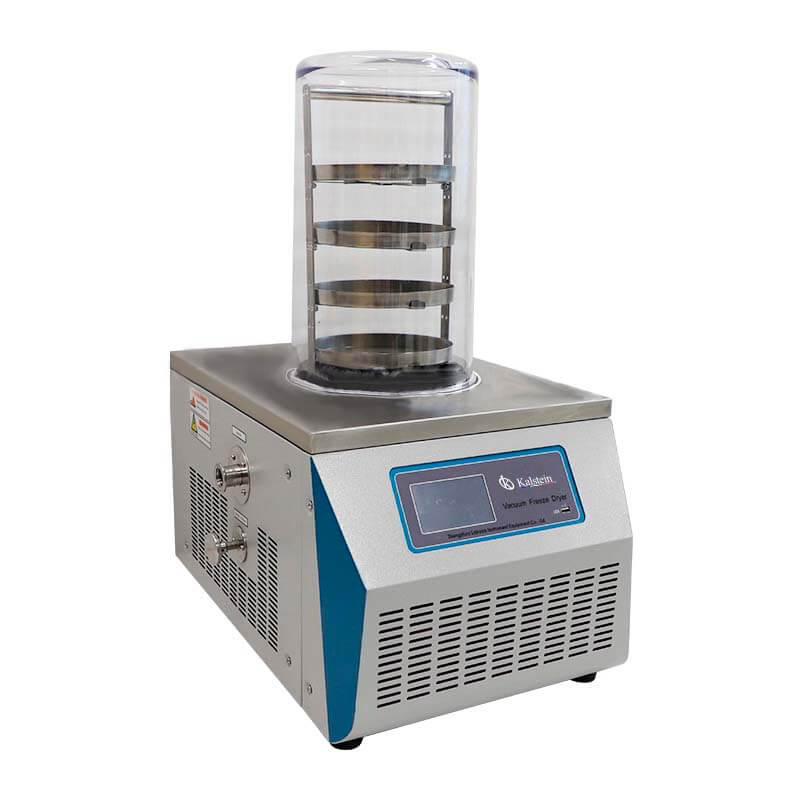
Benchtop Laboratory Freeze Dryers: Common Mistakes and How to Avoid Them in Daily Operations 2026
Benchtop laboratory freeze dryers are essential tools in various scientific fields, offering a method for lyophilization that preserves the integrity of sensitive samples. Understanding how to effectively use these devices is crucial for laboratory professionals aiming to achieve optimal results.
What is it used for in 2026
In 2026, benchtop laboratory freeze dryers are primarily utilized in biochemical and pharmaceutical laboratories for preserving biological samples, vaccines, and pharmaceuticals. The lyophilization process removes moisture from products, allowing for long-term storage without compromising the chemical and biological properties of the materials. Additionally, these devices are instrumental in food preservation and research applications, making them versatile tools in any laboratory.
History and evolution of the technology
The technology behind freeze drying dates back to the early 20th century when scientists began to explore sublimation as a means of preserving substances. Over the years, advancements in vacuum technology and temperature control have significantly enhanced the efficiency and effectiveness of benchtop freeze dryers. Innovations such as touch-screen interfaces and automated control systems have transformed the user experience, allowing for more precise control over the lyophilization process.
How to use it step by step
Using a benchtop laboratory freeze dryer involves a systematic approach:
- Preparation: Ensure that all materials and samples are properly prepared. This may include placing samples in appropriate vials and ensuring that the freeze dryer is clean and ready for use.
- Loading: Load the samples into the freeze dryer, ensuring that there's enough space for air circulation.
- Setting Parameters: Configure the freeze drying parameters, including temperature and vacuum levels, according to the specific requirements of your samples.
- Start the Process: Initiate the lyophilization cycle. The device will typically go through freezing, primary drying, and secondary drying phases.
- Monitoring: Monitor the process via the touchscreen interface to ensure that parameters are maintained throughout the cycle.
- Completion: Once the cycle is complete, carefully remove the samples and store them according to their requirements.
Best techniques and protocols
To maximize the effectiveness of freeze drying, adhere to these best techniques and protocols:
- Pre-treat samples with cryoprotectants to prevent damage during freezing.
- Optimize the freezing rate to ensure uniform ice crystal formation.
- Utilize adequate vacuum levels to facilitate sublimation effectively.
- Perform regular maintenance on the freeze dryer to ensure optimal performance.
Practical applications by laboratory type
Different laboratories apply benchtop laboratory freeze dryers in various ways:
- Pharmaceutical Laboratories: Used for drug formulation and preservation of sensitive biological compounds.
- Biological Research Labs: Essential for preserving cell cultures and microbial samples.
- Food Science Labs: Used for lyophilizing food samples to extend shelf life without additives.
Regulations, standards and certifications
Benchtop freeze dryers must comply with specific industry standards and regulations. Key certifications include:
- FDA regulations for pharmaceutical applications.
- ISO 9001 for quality management systems.
- Good Manufacturing Practice (GMP) guidelines.
Comparison with alternative technologies
While freeze drying is an effective preservation method, other technologies exist:
- Dehydration: Uses heat to remove moisture but may alter product properties.
- Spray Drying: Quick drying method suitable for liquid samples but can add processing complexities.
Comparison of available models
| Model | Best for | Key specs | Recommended use case |
|---|---|---|---|
| YR05186 | General laboratory use | 0.12㎡ lyophilization zone, -55℃ temperature | Ideal for samples requiring observation during drying. |
| YR05187 | Laboratory experiments | 0.08㎡ lyophilization zone, -55℃ temperature | Great for smaller batch experimentation. |
| YR05188 | Multiple sample types | 0.12㎡ lyophilization zone, -55℃ temperature | Versatile use across various laboratory applications. |
| YR05189 | General lab applications | 0.08㎡ lyophilization zone, -55℃ temperature | Best for routine lyophilization processes. |
| YR05189-1 | Customized experiments | Condensor capacity 3-4kg/24h, -55℃ temperature | Perfect for specialized laboratory demands. |
Common mistakes and how to avoid them
Understanding common pitfalls can improve the effectiveness of freeze-drying processes:
- Improper sample preparation: Ensure samples are adequately prepared; not following guidelines can lead to ineffective drying.
- Incorrect parameter settings: Always double-check temperature and vacuum settings to match specific sample requirements.
- Ignoring maintenance: Regular maintenance is crucial to prevent equipment failure; follow the manufacturer’s guidelines for service.
Maintenance, calibration and good practices 2026
Regular maintenance and calibration are vital for optimal performance:
- Perform routine cleaning to avoid contamination.
- Calibrate temperature and vacuum sensors regularly for precision.
- Document maintenance activities to ensure compliance with regulatory standards.
Cost-benefit analysis 2026
Investing in a benchtop laboratory freeze dryer can yield significant benefits:
- Long-term savings: Reduced waste and improved product longevity can offset initial costs.
- Enhanced research capabilities: Ability to preserve valuable samples can foster innovation and development.
Frequently asked questions
What are the main criteria for choosing a benchtop freeze dryer?
When selecting a freeze dryer, consider factors like sample size, desired drying time, and the specific applications you will be using it for. Additionally, evaluate the technical specifications and capabilities of different models.
How do I prepare samples for lyophilization?
Samples should be pre-treated if necessary. Ensure they are contained in appropriate vials, and consider adding cryoprotectants to prevent damage during the freeze-drying cycle.
What should I do if my freeze dryer fails to reach the desired vacuum?
Check for any leaks in the system, ensure the seals are intact, and verify that the vacuum pump is functioning correctly. Consult the manufacturer's guidelines for troubleshooting.
How often should I clean and maintain my freeze dryer?
Regular maintenance should be performed after each use, with a thorough cleaning and calibration scheduled at least once a month, or more frequently based on usage levels.
Can freeze dryers be used for food preservation?
Yes, benchtop freeze dryers are widely used for food preservation, allowing for prolonged storage without the need for preservatives while maintaining flavor and nutritional value.
What are the environmental considerations when using freeze dryers?
Be aware of the energy consumption of freeze dryers and ensure proper waste disposal of any materials used during the process, including vials and samples that may be hazardous.
If you are looking for a fusion of innovation and quality, you have come to the right place. At Kalstein, we offer you the luxury of exploring our exclusive catalog of laboratory equipment. We manufacture every device to the highest standards of excellence. Our intuitive and seamless online purchasing channels are designed for your convenience, securing the most competitive prices. Hesitate no longer — we bring science to life, it is time to become part of our community.