Bath Circulators: Common Mistakes and How to Avoid Them in Daily Operation 2026
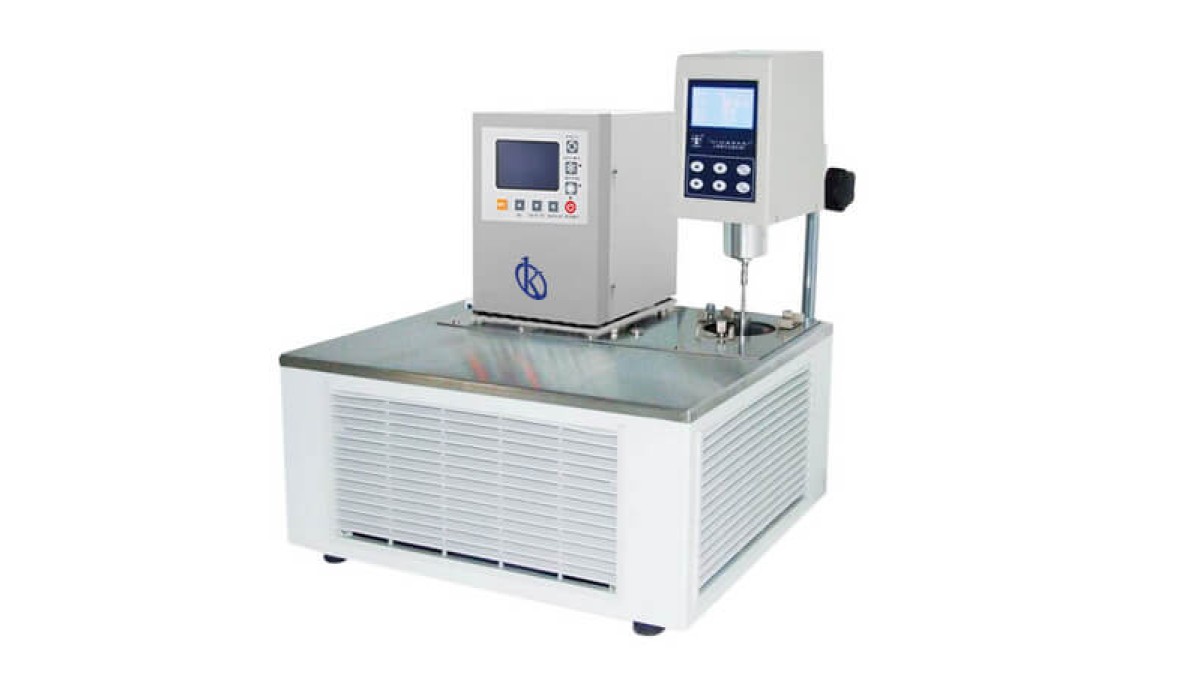
Bath circulators are essential laboratory instruments used for maintaining precise temperature control in a variety of applications. In this article, we will explore their uses, the evolution of this technology, and how to effectively operate and maintain these devices to minimize errors and maximize efficiency.
What is it used for in 2026
Bath circulators are primarily used in laboratory settings for tasks that require stable and consistent temperature control. They are particularly beneficial in experiments that involve viscosity measurements, thermal cycling, and chemical synthesis. By providing a stable temperature environment, bath circulators ensure reliable results and reproducibility in experiments involving sensitive materials.
History and evolution of the technology
The development of bath circulators dates back several decades, with early models being simple water baths that lacked precise temperature control. Over the years, advancements in technology have integrated PID (Proportional-Integral-Derivative) controls, allowing for enhanced accuracy and stability. Modern bath circulators now feature improved insulation, user-friendly interfaces, and enhanced safety features such as over-temperature alarms and dry-run protection.
How to use it step by step
Using a bath circulator effectively involves several key steps:
- Check the device setup: Ensure the circulator is placed on a stable surface and connected to a power source.
- Fill the bath: Add the appropriate liquid (usually water or a suitable coolant) to the bath to the recommended level.
- Set the temperature: Use the control panel to set the desired temperature. Ensure that the temperature is appropriate for the specific application.
- Start the circulator: Activate the device to initiate circulation and heating/cooling.
- Monitor the system: Regularly check the display for temperature stability and any alerts.
- Conduct the experiment: Place samples or instruments in the bath as necessary.
- Shut down: After the experiment, turn off the circulator and properly clean the bath.
Best techniques and protocols
To achieve optimal results with bath circulators, consider the following techniques and protocols:
- Always calibrate the device before use to ensure accuracy.
- Use high-quality fluids for cooling or heating to improve thermal conductivity.
- Maintain proper fluid levels to avoid pump failure and ensure consistent temperature.
- Regularly clean the bath to prevent contamination and maintain performance.
- Document settings and results for reproducibility and quality control.
Practical applications by laboratory type
Bath circulators find applications across various laboratory types:
- Research Laboratories: For thermal studies and chemical reactions.
- Quality Control Labs: To maintain consistent temperatures during testing.
- Biotechnology Labs: For enzyme reactions requiring strict temperature control.
- Environmental Testing Labs: In studies involving temperature-sensitive materials.
Regulations, standards and certifications
Bath circulators must comply with several regulatory standards to ensure safety and performance. Key certifications include:
- ISO 9001 for quality management systems.
- CE marking in Europe for conformity with health, safety, and environmental protection standards.
- UL certification in the United States for electrical safety.
Comparison with alternative technologies
Compared to alternative technologies, such as traditional water baths or immersion heaters, bath circulators offer significant advantages:
- Temperature Stability: Bath circulators provide superior stability over traditional water baths.
- Control Precision: The use of PID control technology allows for precise temperature adjustments.
- Versatility: Capable of heating and cooling across a broader temperature range.
Comparison of available models
| Model | Best for | Key specs | Recommended use case |
|---|---|---|---|
| YR04985 | Viscometers | Temperature range: -5 ~ 99.9°C, Resolution: 0.1°C | High precision viscosity control |
| YR04999 | Chemical synthesis | Temperature range: -30 ~ 100°C | For experiments requiring varied temperature control |
| YR04996 | General laboratory use | Temperature range: -5 ~ 100°C | For routine heating and cooling tasks |
| YR04988 | Life sciences experiments | Temperature range: -20 ~ 100°C | Temperature control in sensitive biological assays |
| YR04989 | Material testing | Temperature range: -30 ~ 100°C | Suitable for evaluating material properties under temperature variations |
| YR04986 | Viscosity testing | Temperature range: -5 ~ 100°C | Optimal for viscosity-related studies |
Common mistakes and how to avoid them
To ensure effective operation of bath circulators, avoid the following common mistakes:
- Not calibrating the device regularly, which can lead to inaccurate results.
- Using improper fluids, which can affect thermal performance.
- Neglecting maintenance tasks, such as cleaning and checking fluid levels.
- Ignoring alarms or alerts, risking equipment failure or inaccurate results.
Maintenance, calibration and good practices 2026
Regular maintenance is crucial for the longevity and accuracy of bath circulators. Key practices include:
- Calibrate regularly according to the manufacturer’s instructions.
- Inspect seals and fittings to prevent leaks.
- Clean the bath and surrounding area to avoid contamination.
- Monitor temperature accuracy periodically using standard reference methods.
Cost-benefit analysis 2026
When evaluating the cost-benefit of investing in bath circulators, consider the following:
- Initial investment: While bath circulators may have a higher upfront cost compared to traditional baths, their precision and reliability often justify the expense.
- Operational efficiency: Enhanced accuracy can lead to reduced experimental errors, saving time and resources in long-term operations.
- Versatility: Their ability to accommodate a variety of experiments can reduce the need for multiple pieces of equipment.
Frequently asked questions
How do I choose the right bath circulator for my laboratory?
Consider the temperature range, accuracy, and specific applications you need. Evaluate models based on your laboratory's requirements and ensure they meet your experimental needs.
What maintenance is required for bath circulators?
Regular cleaning, calibration, and inspection of components are essential for maintaining performance. Following manufacturer guidelines can help ensure longevity.
Can I use tap water in my bath circulator?
While tap water can be used, it is recommended to use distilled or deionized water to prevent mineral buildup and corrosion.
How often should I calibrate my bath circulator?
Calibration frequency depends on usage. Regularly calibrating before significant experiments or at least on a monthly basis is advisable for accuracy.
What should I do if my circulator shows an alarm?
First, consult the user manual to identify the alarm type. Address any issues indicated, such as low fluid levels or over-temperature conditions, before resuming operation.
Are there any safety precautions I should take?
Always ensure the circulator is placed on a stable surface. Avoid overfilling the bath and ensure proper electrical safety measures are in place.
Where can I get a quote for purchasing a bath circulator?
You can request a quote on Kalstein Plus for competitive pricing and detailed information about available models.
If you are looking for a fusion of innovation and quality, you have come to the right place. At Kalstein, we offer you the luxury of exploring our exclusive catalog of laboratory equipment. We manufacture every device to the highest standards of excellence. Our intuitive and seamless online purchasing channels are designed for your convenience, securing the most competitive prices. Hesitate no longer — we bring science to life, it is time to become part of our community.