Automatic Slide Stainers: Applications in Research, Biotechnology, and Academia 2026
What is it used for in 2026
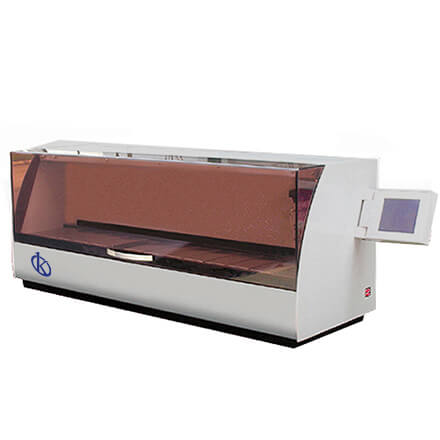
Automatic slide stainers are essential tools in various laboratory settings, including pathology, histology, and biotechnology. In 2026, these devices enhance the efficiency of staining procedures, ensuring consistent and reproducible results. They automate the application of dyes and reagents on glass slides, facilitating the preparation of biological samples for microscopic examination. Their primary applications include:
- Pathological Analysis: Used for diagnosing diseases by staining tissue samples.
- Research: Assists in the preparation of specimens for various biological and chemical analyses.
- Biotechnology: Important in developing and validating new staining techniques and reagents.
- Educational Purposes: Utilized in academic laboratories for teaching histology and pathology.
History and evolution of the technology
The evolution of automatic slide stainers dates back to the early advancements in laboratory automation in the late 20th century. Initially, staining was performed manually, which was time-consuming and prone to variability. The introduction of automated systems marked a significant milestone, leading to consistent staining protocols. Over the years, improvements in technology have led to the development of more sophisticated models equipped with features such as touch-screen interfaces, programmable settings, and enhanced cleaning systems, catering to the growing demands of laboratories.
How to use it step by step
Using an automatic slide stainer typically involves the following steps:
- Preparation of Samples: Ensure samples are properly fixed and mounted on slides.
- Loading Slides: Place slides securely into the designated slots of the staining machine.
- Setting Up the Machine: Select the appropriate staining protocol on the touch-screen interface.
- Running the Program: Start the staining cycle, monitoring the process if necessary.
- Post-Staining Procedures: Once completed, remove the slides and let them dry or proceed with further processing.
Best techniques and protocols
Adopting best practices and standardized protocols is crucial for optimal results. Key techniques include:
- Consistent Sample Preparation: Ensure that all samples are prepared uniformly to avoid variability in results.
- Calibration: Regularly calibrate the equipment to maintain precision in reagent dispensing.
- Cleaning Protocols: Implement thorough cleaning procedures between runs to prevent cross-contamination.
- Documentation: Maintain detailed records of protocols used for reproducibility and quality control.
Practical applications by laboratory type
Different laboratory types utilize automatic slide stainers in unique ways:
- Clinical Laboratories: Primarily for tissue diagnostics and cytology.
- Research Laboratories: In dye development and cytological studies.
- Academic Institutions: For teaching histological techniques to students.
- Biotechnology Firms: For developing and testing new reagents and staining methods.
Regulations, standards and certifications
Automatic slide stainers must comply with several regulations and standards, including:
- ISO Certifications: For quality management and product safety.
- CE Marking: Required in Europe, indicating compliance with health, safety, and environmental protection standards.
- FDA Approvals: In the United States, for devices used in diagnostic processes.
Comparison with alternative technologies
When comparing automatic slide stainers with alternative staining methods, key differences emerge:
- Manual Staining: More labor-intensive and prone to human error compared to automated systems.
- Batch Processing: Automatic stainers allow for simultaneous processing of multiple slides, unlike manual methods.
- Consistency: Automated staining provides greater consistency in results than manual practices.
Comparison of available models
| Model | Best for | Key specs | Recommended use case |
|---|---|---|---|
| YR435 | High-volume tissue staining | 14 processing cups, adjustable timing | Large clinical laboratories requiring efficient throughput. |
| YR435-1 | Simultaneous and individual staining | 400 slides/hour, modular design | Research laboratories needing flexibility in staining protocols. |
| YR436-1 | Compact and efficient staining | 15 tanks, precise temperature control | Academics and small labs focusing on quality over quantity. |
Common mistakes and how to avoid them
Laboratory professionals often encounter several pitfalls when using automatic slide stainers:
- Neglecting Maintenance: Regular maintenance is crucial to ensure optimal performance.
- Ignoring Calibration: Failing to calibrate can lead to inconsistent results.
- Improper Loading of Slides: Ensure slides are loaded correctly to avoid jams or errors during the staining process.
Maintenance, calibration and good practices 2026
To maintain optimal functionality, consider these practices:
- Routine Cleaning: Establish a cleaning schedule to prevent residue build-up.
- Regular Calibration: Perform calibration checks according to the manufacturer’s guidelines.
- Training Personnel: Ensure all users are trained adequately to minimize errors.
Cost-benefit analysis 2026
Investing in an automatic slide stainer involves analyzing both costs and benefits:
- Initial Investment: Higher upfront costs compared to manual methods.
- Time Savings: Significant reduction in staining time, allowing for higher throughput.
- Consistency and Quality: Enhanced quality of results justifies the investment over time.
Frequently asked questions
What factors should I consider when choosing an automatic slide stainer?
When selecting an automatic slide stainer, consider the staining capacity, compatibility with various reagents, ease of use, and the specific needs of your laboratory workflow.
How often should I perform maintenance on my slide stainer?
Maintenance should be performed regularly, ideally after every 100 runs or as specified by the manufacturer, to ensure optimal performance and longevity of the equipment.
Can I use different staining protocols on the same machine?
Yes, most automatic slide stainers allow for programming multiple protocols, enabling labs to run different staining procedures efficiently without manual intervention.
What is the average lifespan of an automatic slide stainer?
The average lifespan of an automatic slide stainer is typically around 5 to 10 years, depending on usage and maintenance practices.
How can I ensure accurate results with my slide stainer?
To achieve accurate results, ensure that slides are prepared consistently, maintain calibration, and follow best practices for cleaning and operation.
Are there any safety regulations I should be aware of?
Yes, ensure compliance with safety regulations such as proper handling of chemicals and following guidelines for laboratory equipment as per local and international standards.
How can I request a quote for an automatic slide stainer?
You can request a quote through our online platform, where you can find detailed specifications and pricing information for each model.
If you are looking for a fusion of innovation and quality, you have come to the right place. At Kalstein, we offer you the luxury of exploring our exclusive catalog of laboratory equipment. We manufacture every device to the highest standards of excellence. Our intuitive and seamless online purchasing channels are designed for your convenience, securing the most competitive prices. Hesitate no longer — we bring science to life, it is time to become part of our community.