
Importance of the electrocardiograph for studies in patients with cardiac arrhythmias
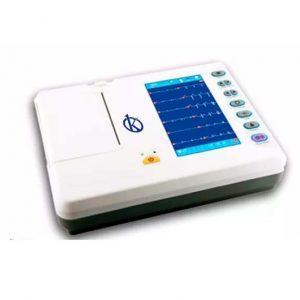
Cardiac arrhythmia is an irregular heartbeat, the most common causes are cardiac disorders; in particular, coronary artery disease, valvular disorders, heart failure or genetic defects. These cause various symptoms such as chest pain, palpitations, light-headedness, syncope, or loss of consciousness. However, they may go unnoticed and become detectable when screening tests are done. Sometimes people may be aware of this abnormality, but sometimes only the consequences are felt.
Use of the Oxygen Meter in the Brewing Industry
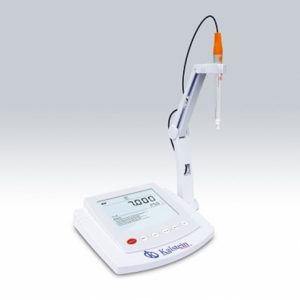
Currently, there are methods that ensure the total solution of the gases, optimizing the use of oxygen to eliminate the contents of excessive gases, and oxygen meters provide those solutions in breweries, where the average is usually ±0.5 ppm the appropriate amount. In order to guarantee the invariable fermentation and minimal damage of beer by excessive yeast production.
Use of the Oxygen Meter for a Dairy Company
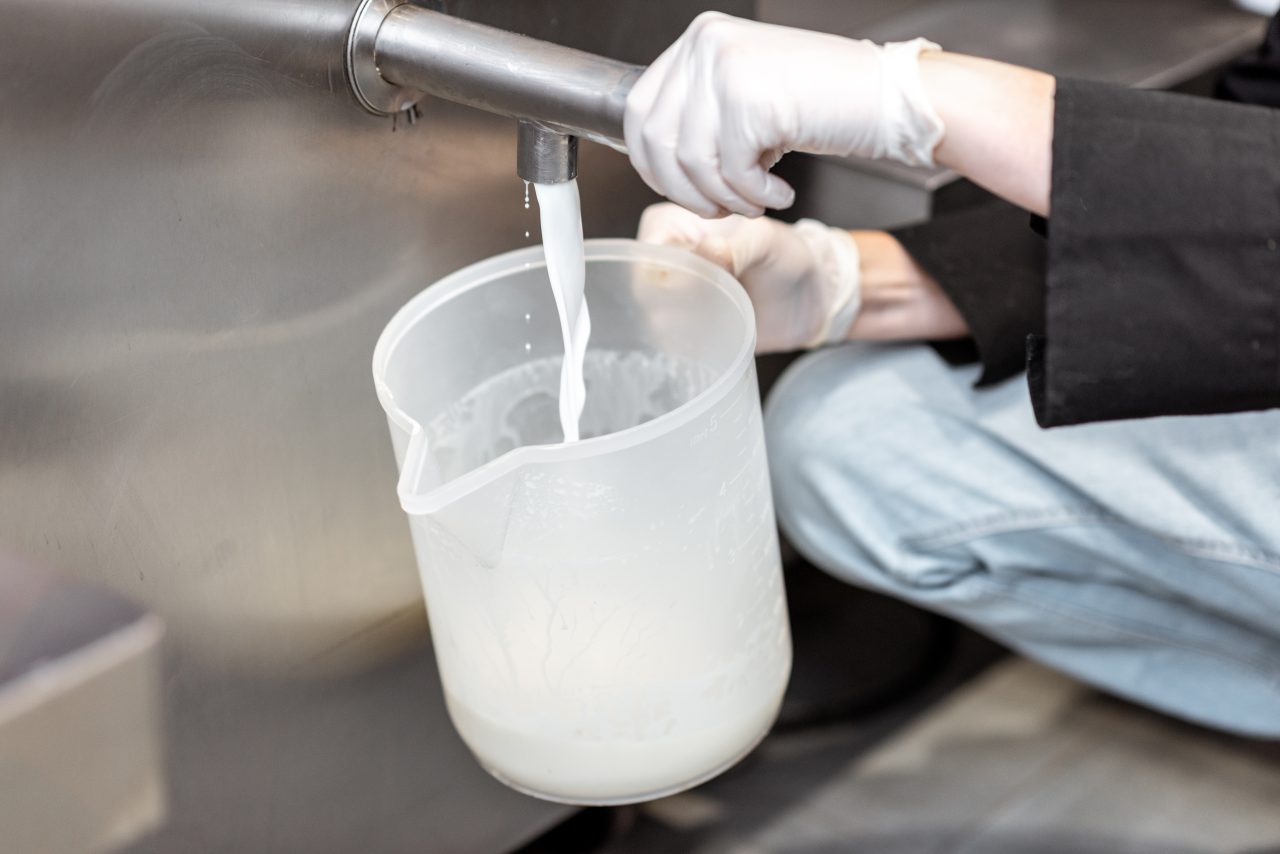
The use of oxygen meters is currently essential to speed up quality testing in the dairy sectors, as it makes it possible to monitor the means necessary to obtain fresh milk without contamination and therefore vigorous dairy products.
Dissolved oxygen: How to measure it accurately?
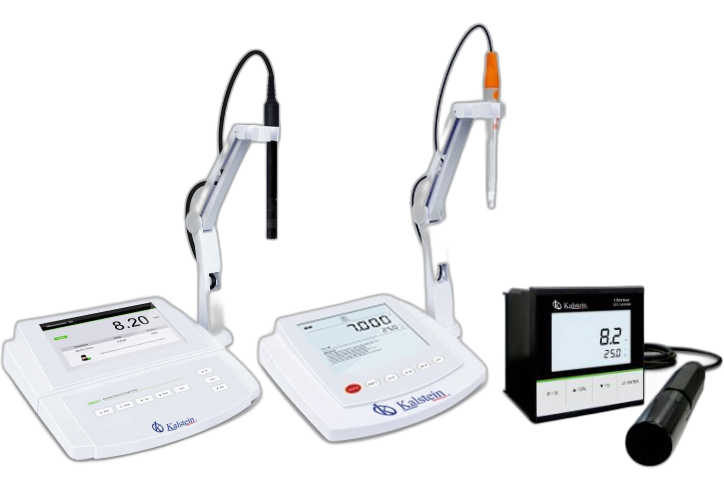
Dissolved oxygen (DO) is the gaseous oxygen that is dissolved in an aqueous solution, also defined as the measure of the amount of oxygen that is distributed in a system. Dissolved oxygen is related to water quality and can be measured accurately through an oxygen meter.
Dissolved Oxygen Meter: How It Works
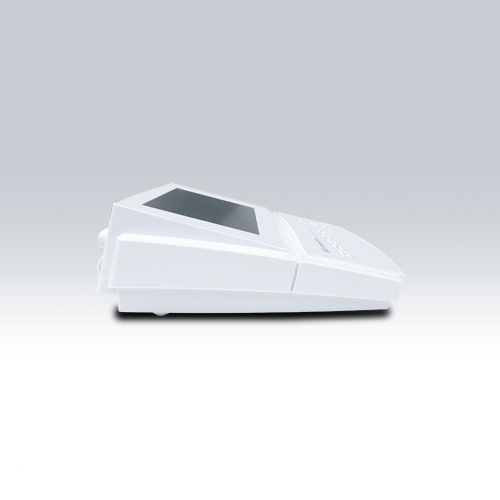
Let’s talk about dissolved oxygen (DO); it is the amount of gaseous oxygen that is dissolved in water, all aquatic life depends on the oxygen dissolved in water, the greatest amount of oxygen is obtained from the atmosphere, there are a variety of factors that influence the concentration of dissolved oxygen in water are: the atmospheric pressure, the content of salts in water and the temperature of the water.
Dissolved oxygen meter: How should it be used?
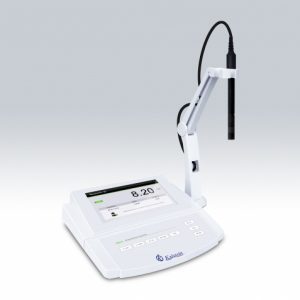
Oxygen meters are devices that use the amount of oxygen that is dissolved in or carried in a fluid, i.e. a multi-capacity instrument for water quality inspection. Typically, these devices use two measurement scales: parts per million (ppm) or saturation percentage (%). Dissolved oxygen meters are used in the field and in laboratories.
Laboratory oximeters. Operation and applications
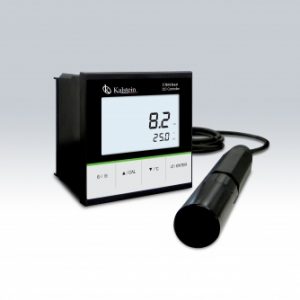
This is an indispensable equipment that can be used inside or outside the laboratory, there are table models and laptops are available, its function consists of to measure the oxygen dissolved in liquids that can be used both in the field and in the laboratory, applied in treatment stations of effluents and waters in general; also called oxygen meter.
Microwave digester: in which scientific sectors is it used?
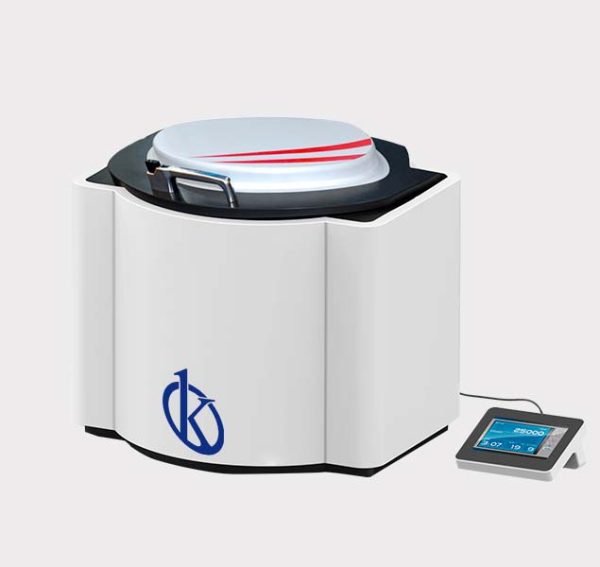
The use of this equipment for different scientific processes is proven thanks to the scientific researchers in the areas of chemistry and engineering, where the use of microwaves for NTK analysis and oxygen demand is validated, due to the effective system of temperature that these processes require, thanks to the microwave digester samples and tests reach a necessary temperature in a shorter time and without thermal degradation.
How to ensure food quality with Microwave Digester
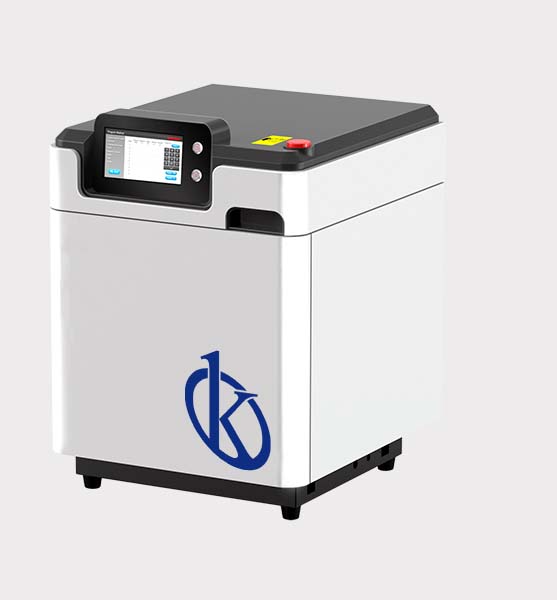
Microwave digesters are equipment that perform sample digestion in order to obtain information about its components at the elementary level, they are used in many fields, from biology, chemistry, medicine, textile industry to the cosmetics industry. Microwave digestion is used hand in hand with the spectrophotometry technique, since in the latter it is necessary that the sample is in liquid state to be able to analyze it.
Microwave Digestion in environmental samples for the agricultural sector?
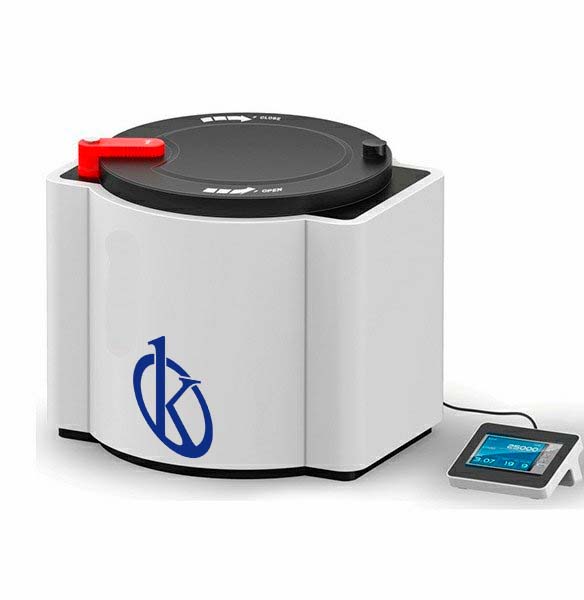
Many laboratory procedures require the use of a microwave digester for sample preparation. The rationale for any microwave digestion process is based on the introduction of the samples into special transparent and closed vessels, in conjunction with the reagents required for testing. The sample is heated to temperatures ranging from 200° to 300° C so that it is partially or completely degraded.